Museum of the World ⑤ The Philosophy of Silence: ‘Sayuwon’ in Gunwi, South Korea
Nestled deep within the mountains of Gunwi, North Gyeongsang Province, Sayuwon is a place of ‘contemplation’ (思惟) where one seeks one’s true self within nature, rather than seeking to possess it.
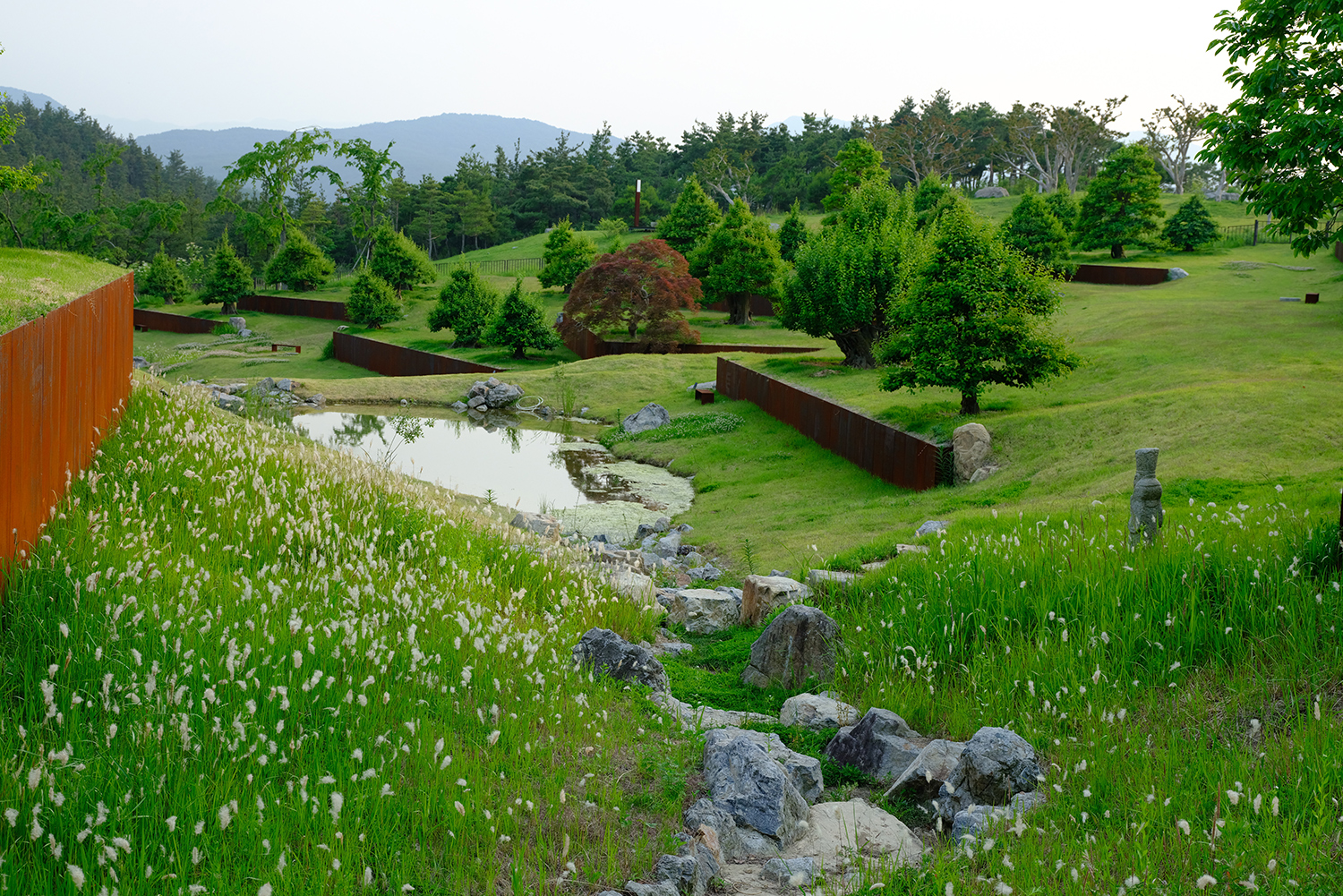
Spanning a vast site of approximately 100,000 pyeong, this arboretum transcends a mere landscaped space; it is a magnificent symphony of architecture and nature, crafted by world-renowned architects such as Álvaro Siza, Seung Hyo-sang and Choi Wook, who have dotted the canvas of nature with their designs.
![피치바이피치 - [기차여행] 건축과 자연이 어우러진 사색의 숲, 군위 사유원 투어](https://pbp.co.kr/upload/productInfo/cdb1f2bd-6a29-4243-a818-b35576c0eb29.jpg)
The beginning of a long wait for trees and a journey of contemplation
Behind the creation of Sayuwon lies the 30-year-long dedication and discerning vision of Yoo Jae-sung, Chairman of Taechang Steel. He acquired this land to save some 300 centuries-old quince trees that were on the verge of being sold to Japan. Rather than turning this place into a glitzy tourist attraction, he wished for it to be a space for contemplation where visitors could face solitude and engage in deep reflection.
The founder’s philosophy is fully embodied in the name ‘Sayuwon’, and the site is managed in a way that excludes artificial embellishments, allowing nature’s rhythm and the architectural space to coexist in mutual respect. Going beyond the concept of ‘viewing’ espoused by commercial art galleries, it embodies the essence of ‘walking philosophy’—where one takes each step to look deep within oneself.
[Wind and Snow for a Thousand Years] The Heart of Sayuwon: The Epic of the Quince Garden
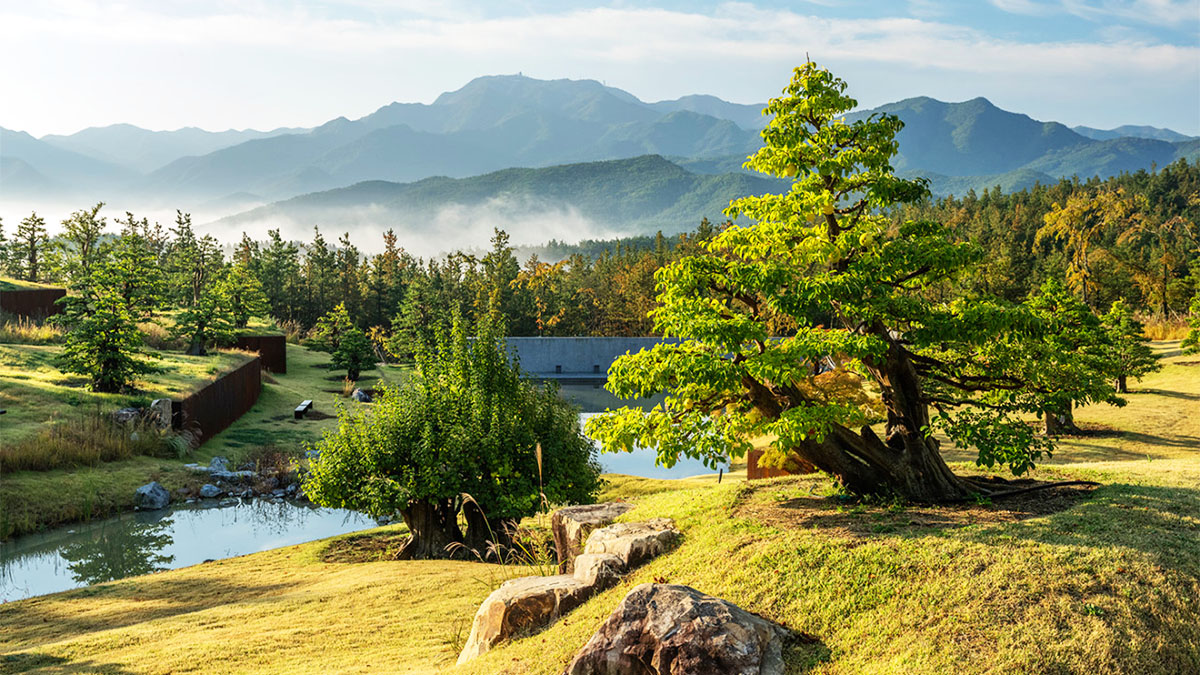
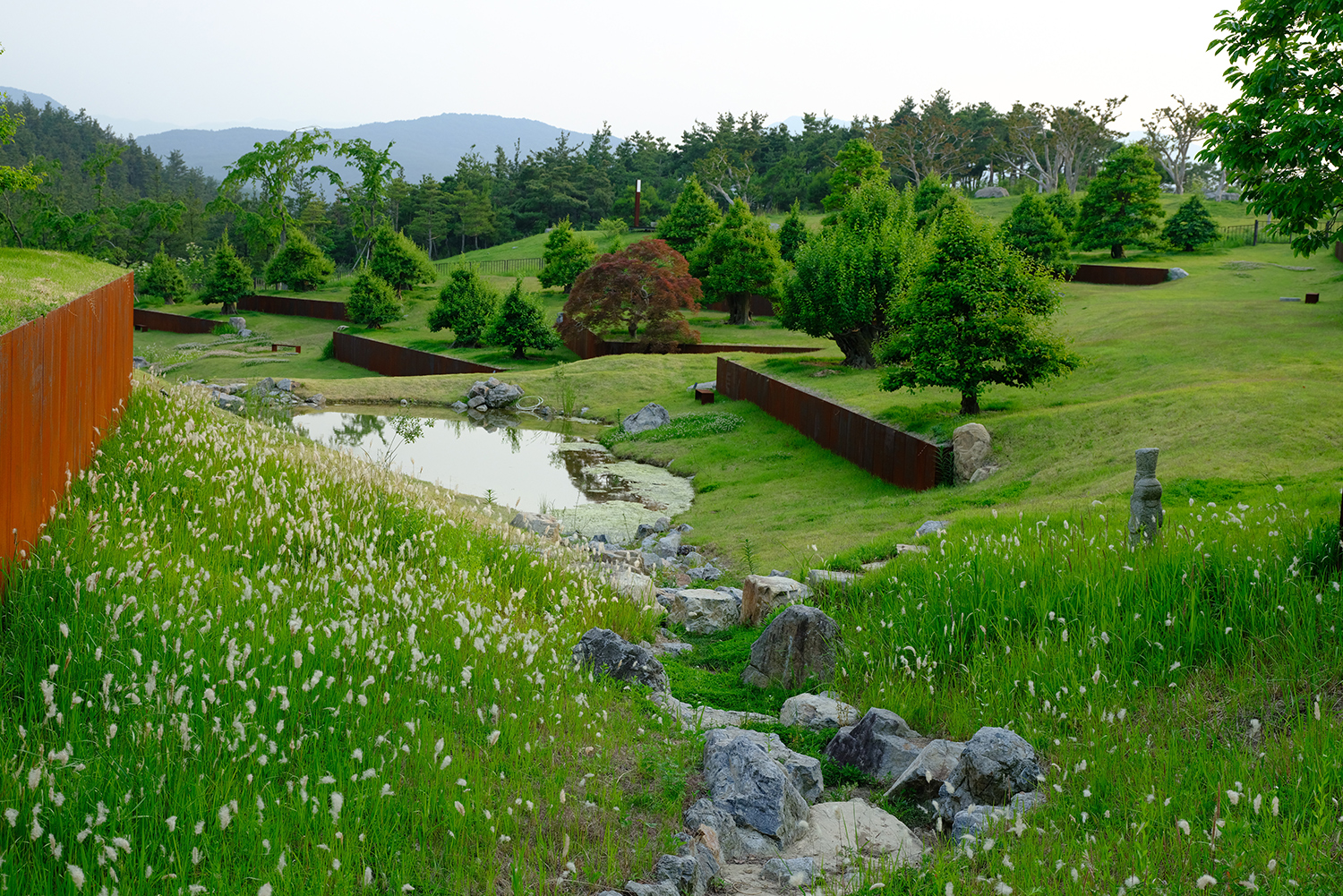
It is no exaggeration to say that all the buildings at Sayuwon exist for the sake of this vast quince garden, ‘Wind and Snow for Millennia’ (風雪幾千年). Meaning ‘How many thousands of years have passed amidst wind and snow?’, this garden is home to a grove of some 300 ancient quince trees, which the founder collected and nurtured over a period of 30 years whilst travelling the length and breadth of the country.
The reason Chairman Yoo Jae-sung was so captivated by the quince tree was the ‘beauty born of endurance’ it embodies. Some 30 years ago, he witnessed Japanese landscape architects scouring the length and breadth of Korea, buying up centuries-old, prized quince trees at rock-bottom prices and shipping them off to Japan. Filled with anger and sorrow at seeing these sacred trees, imbued with the spirit of the Korean people, being sold off to a foreign country, he began to use his own funds to purchase and preserve these ancient trees from all over the country.
Landscape architect Jeong Young-seon arranged these trees to harmonise with the rugged terrain of the private garden, creating a majestic landscape that appears as though the trees had stood there since the dawn of time. In autumn, the scent of quince ripening to a golden yellow fills the valley, whilst in winter, the bare branches contrast with the monochrome architecture, maximising the Eastern aesthetic of negative space.
Álvaro Siza and Seung Hyo-sang
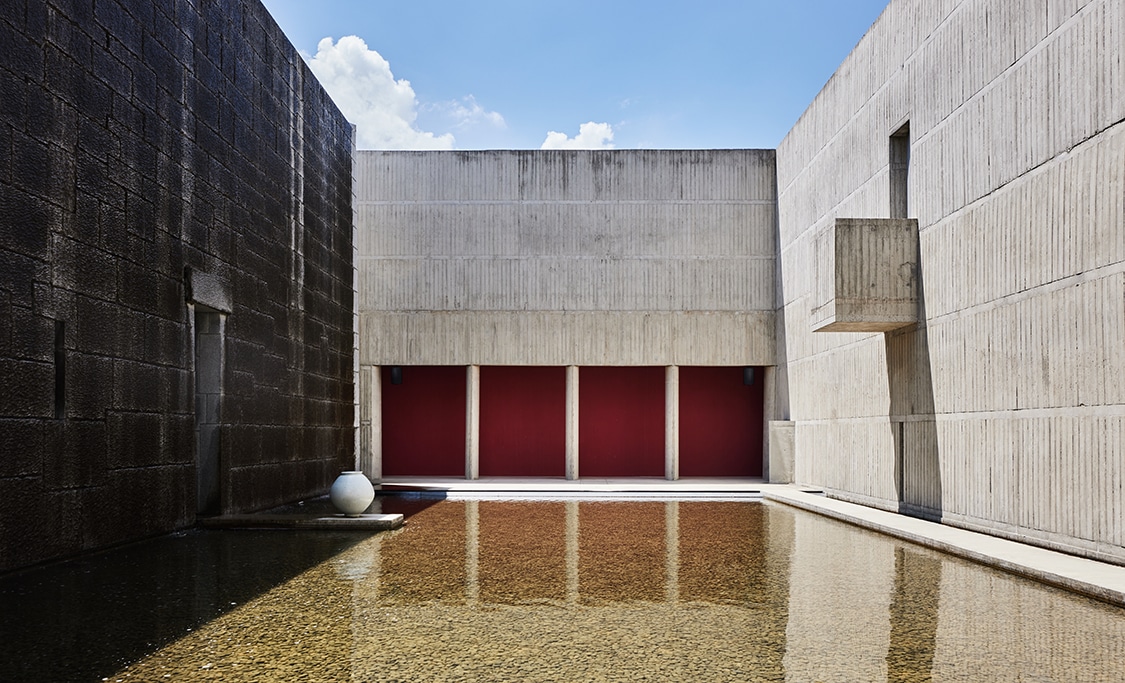
The architecture of Sayuwon has been shaped by the legendary figures of modern architecture. The Portuguese master Álvaro Siza has transplanted his signature white concrete and variations of light to this site. ‘Soyoheon’, designed by him, was conceived as a space to house Picasso’s ‘Guernica’; the light streaming through the windows meets the geometric interior walls, evoking an atmosphere of sacred silence.
 Álvaro Siza,
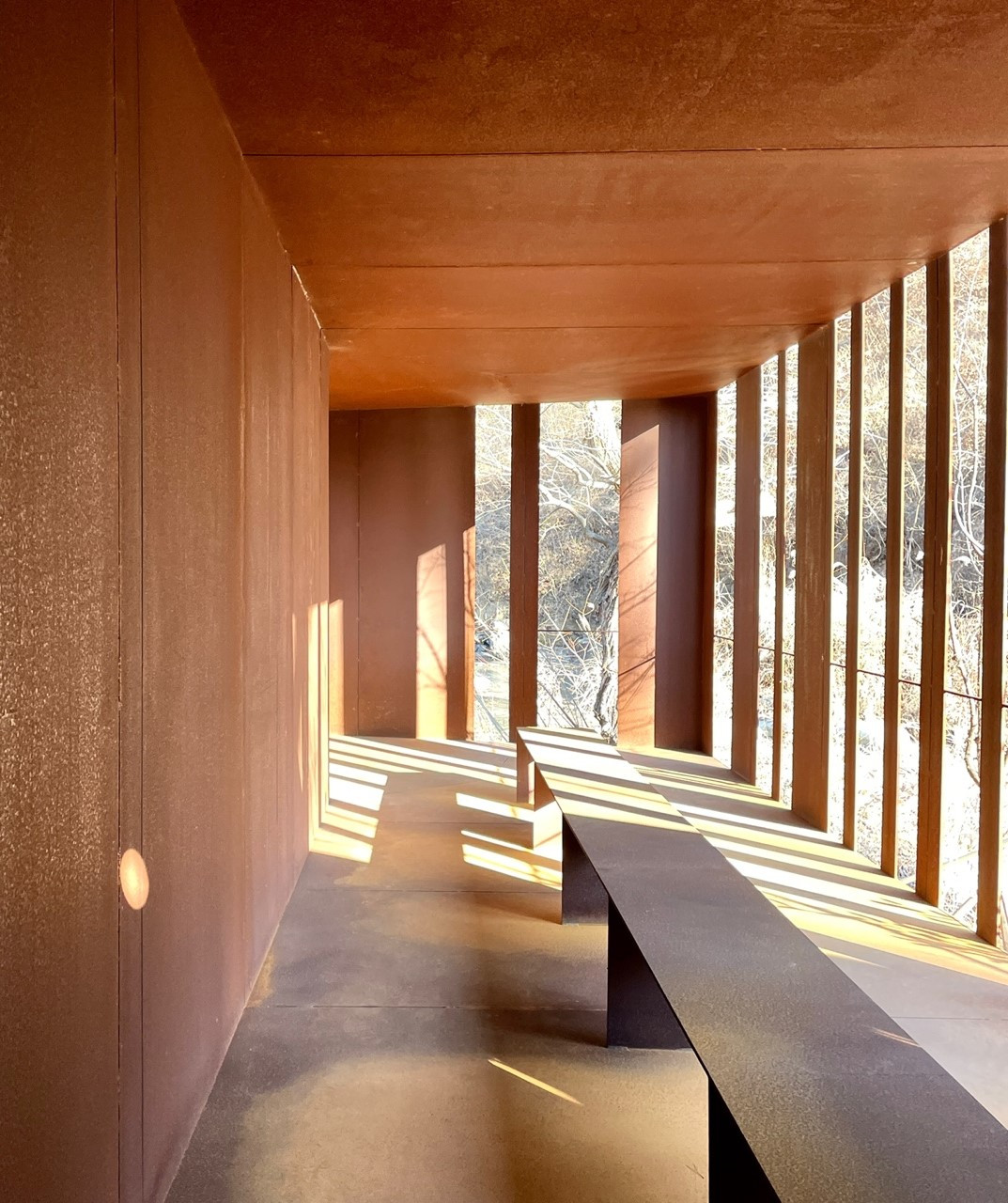
 Seung Hyo-sang, a master of modern Korean architecture, was responsible for the overall planning of Saryuwon, as well as the design of key spaces such as ‘Hyeonam’ and ‘Myeongjeong’. Based on his philosophy of the ‘aesthetics of the poor’, he ensured that the buildings do not stand out more than nature, whilst serving as tools to aid human contemplation. In particular, ‘Myeongjeong’, constructed from red Corten steel, architecturally embodies the meanings of life, death and meditation by leading visitors through a narrow, deep passageway to face a wide-open horizon.
Water, stone, and a place where time stands still
All the spaces within Saryuwon are interconnected whilst maintaining their own distinct atmosphere of contemplation. Here, silently flowing water, solid rock and the passage of the wind are harmoniously arranged, allowing visitors to experience absolute stillness, completely isolated from the noise of the city.
Recently, Sayuwon has rapidly risen in stature, being cited by architects worldwide as a ‘contemporary garden worth visiting’. This is because, without being confined to the rigid framework of an art museum, it offers an artistic experience of the highest calibre through the very arrangement of its buildings and its approach to nature alone. Why not take a stroll along this vast philosophical path laid out across the site?
[Travel Info]
- Location: 1150 Chisan Hyoryeong-ro, Bugye-myeon, Gunwi-gun, North Gyeongsang Province
- Participating Masters: Álvaro Siza (Architecture), Seung Hyo-sang (Architecture), Choi Wook (Architecture), Jeong Young-sun (Landscape Architecture), etc.
- Key Spaces: Pungseolgi Cheonnyeon (Mo-gwa Garden), Soyoheon (Álvaro Siza), Myeongjeong (Seung Hyo-sang)
- Tip: Saryuwon operates on a strictly reservation-only basis and limits the number of daily visitors. We highly recommend visiting in late autumn or early winter to fully appreciate the form of the quince trees.