From a Disappearing Factory to a Sanctuary of Art: Dia Beacon
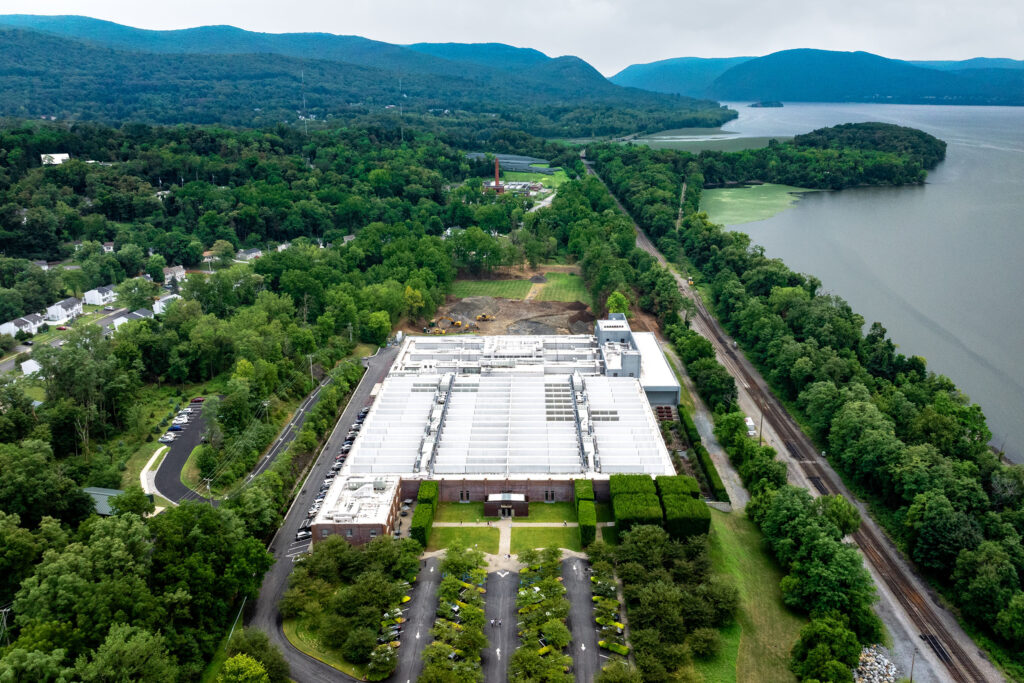
An 80-minute drive north of Manhattan, in the small town of Beacon on the banks of the Hudson River, stands a building that was once a Nabisco box-printing factory. In 2003, this site was reborn as Dia Beacon, a sanctuary for contemporary art.
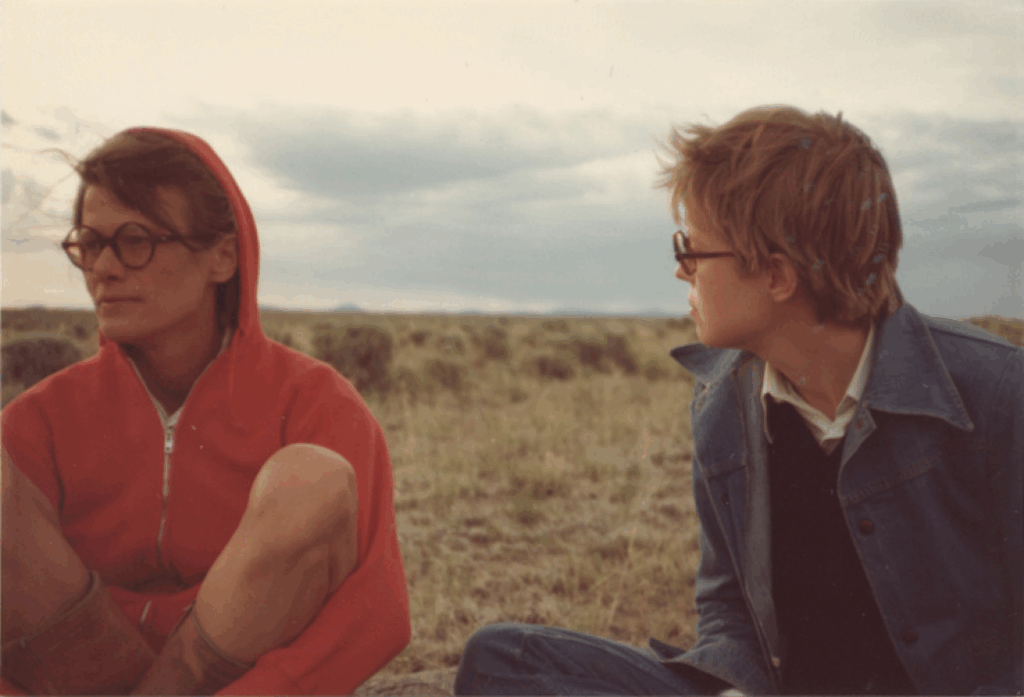
The Dia Art Foundation, which established this museum, was founded in 1974 by Philippa de Menil, Philippa’s husband Heiner Friedrich—an art dealer and collector of Minimalist and Conceptual art—and Houston art historian Helen Winkler.
With the aim of “realising projects of a scale or nature that contemporary art museums would find difficult to undertake”, they effectively revived the Renaissance patronage system for modern art. To put it metaphorically, it was the emergence of the ‘Medici family of Minimalism’.
Patrons of Minimalism and Land Art
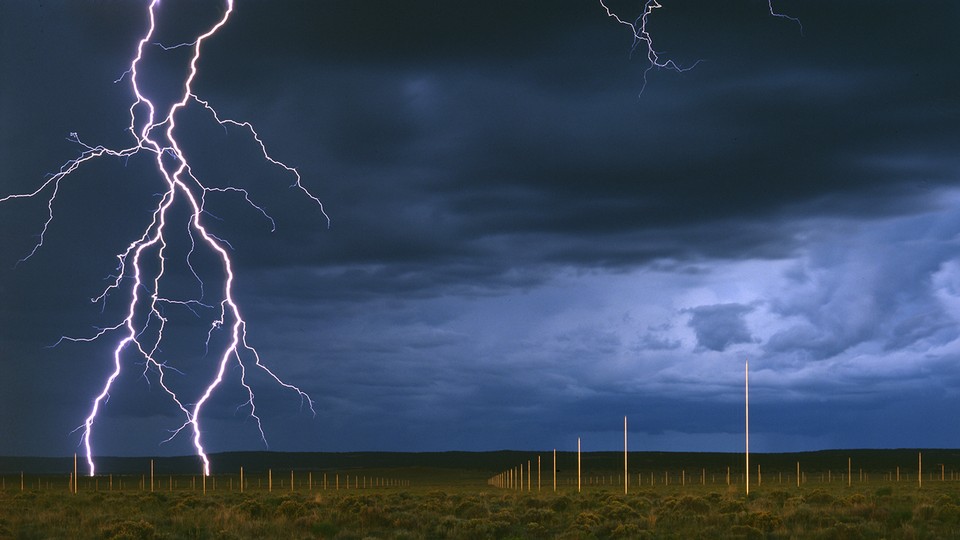
DIA has provided significant support primarily for works of Minimalism, Conceptual Art and Land Art. In the late 1970s, *Dream House*, a sound and light installation by La Monte Young and Marian Zazila in New York, was initiated with support from Dia, and Walter De Maria’s *Lightning Field*was also installed with the support of the Dia Foundation and continues to be maintained to this day.
The installation of Donald Judd’s work in Marfa, Texas, was initiated with support from Dia and is currently operated by the Chinati Foundation.
With the support of the Dia Foundation, new institutions such as the Cypress-Tombly Gallery (opened in 1994) and the Andy Warhol Museum (opened in 1995) were established, and it also helped to support permanent projects such as James Turrell’s Roden Crater in Arizona.
From Factory to Art Museum
The Dia: Beacon’s predecessor was a Nabisco box-printing factory built in 1929. With its vast interior space and excellent natural light, the building was ideally suited to large-scale installations, and Dia transformed it into an art space in 2003. It spans 15,000 square metres. This exhibition space is larger than the Guggenheim, the Whitney and the MoMA combined.
Masterpieces by the great masters
Deia Beacon is organised around the ‘one space per artist’ format, focusing on large-scale works. The featured artists are as follows.
- Andy Warhol – Shadows (1978–79): an installation approximately 350 feet long
- Dan Flavin – Monuments to V. Tatlin (1964–81): a work utilising fluorescent lights
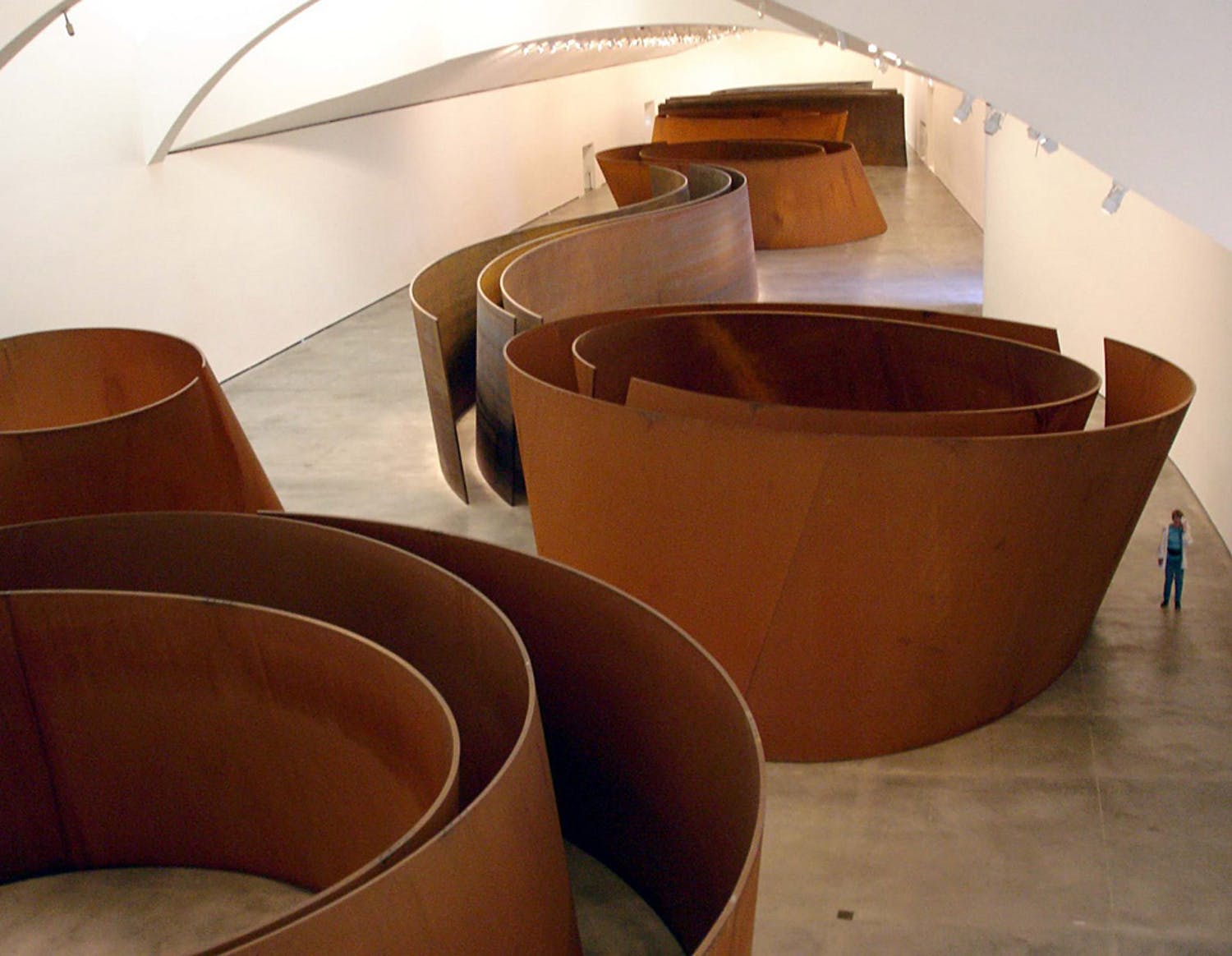
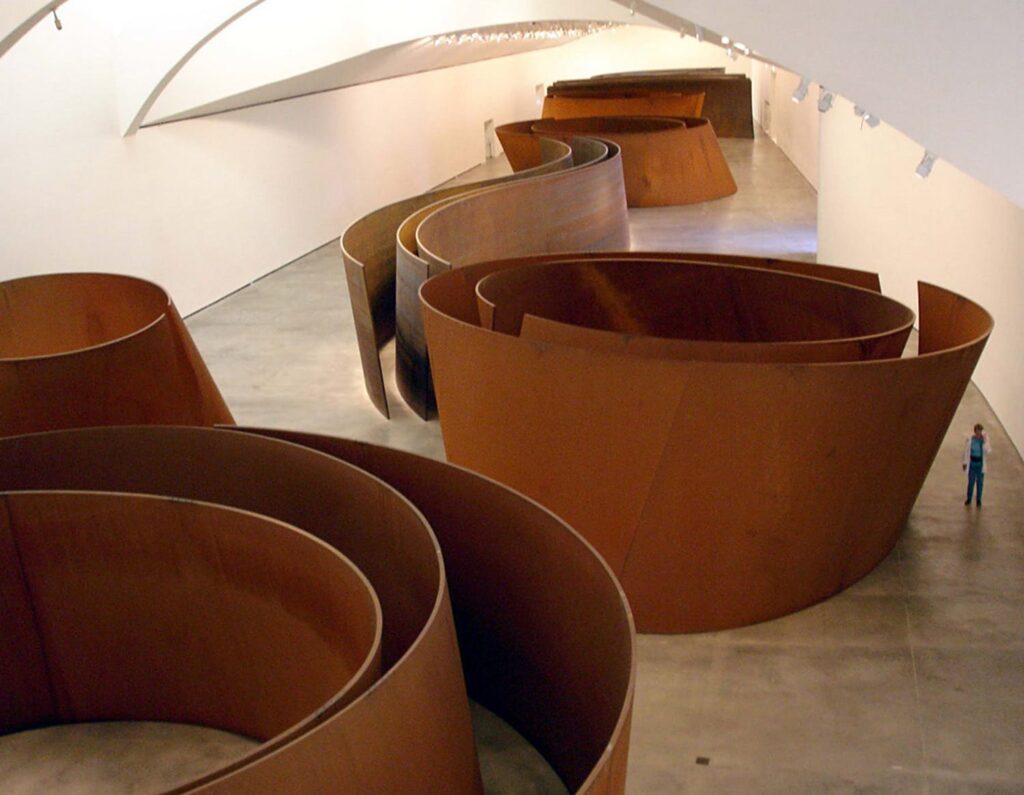
- Richard Serra – Torqued Ellipses: a massive steel sculpture
- Michael Heizer – North, East, South, West (1967/2002)
Visitor tips: From admission fees to transport – Dia Art Foundation
| Items | Details |
|---|---|
| Opening hours | Friday–Monday, 10:00–17:00 |
| Admission | General $25 / Seniors $18 / Students & Disabled $12 / Children (5–11 years) $5 / Under 5s free / Dia Members free |
| Programmes | Free tours held every weekend (12 noon, 1.30 pm) |
| How to get there | Train: Grand Central → Beacon Station (80 minutes), 5-minute walk from the station. Free shuttle (Beacon Free Loop) available |