
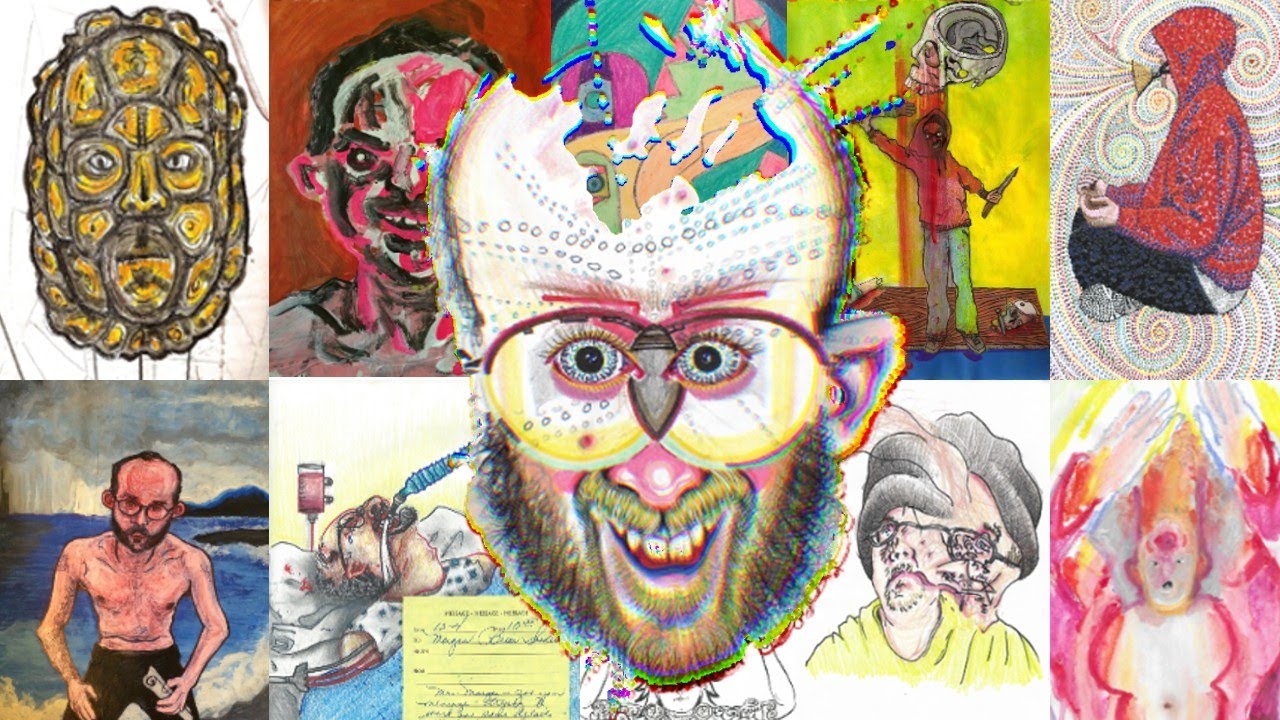
A hallucinatory self-portrait painted with cannabis, Bryan Lewis Saunders
A map of the mind’s delusions spread across the canvas
Artists sometimes push themselves to the limit in order to see the truth. Yet few have turned their own nervous system into an exhibition space quite like the American performance artist Bryan Lewis Saunders.
Having painted a self-portrait every day since 1995, in 2001 he embarked on the most dangerous and fascinating experiment in human history: taking dozens of different drugs and recording his reflection in the mirror at the peak of his hallucinations.
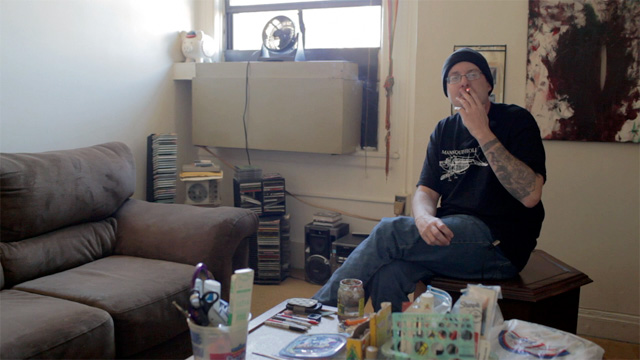
Luxurious ‘madness’ or ‘experiment’
Saunders’ self-portraits are the most primal evidence of how drugs distort the brain’s cognitive structure. He employed entirely different artistic styles each time a distinct chemical compound connected with his neural network.
Xanax This
anti-anxiety medication manifests as ‘the silence of lines’ under his brush. Sharp forms become blunted, and colours subside into low-saturation pastels or achromatic tones. He has embodied a self that seems cut off from all stimuli—lethargic yet strangely serene.
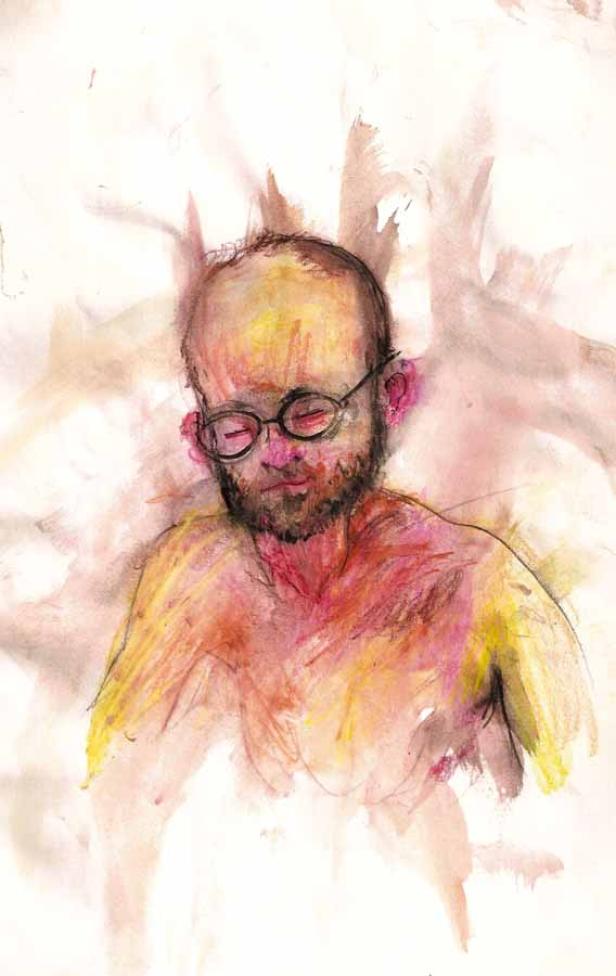
Psilocybin (Psilocybin – Hallucinogenic Mushrooms) This substance,
known as the ‘magic mushroom’, has filled the canvas with explosive geometric patterns. The boundaries of objects dissolve, and a vortex of invisible energy flows across the face of the self-portrait. It is characterised by an intense, hallucinatory display of colour, as the self expands into a cosmic dimension or disintegrates.

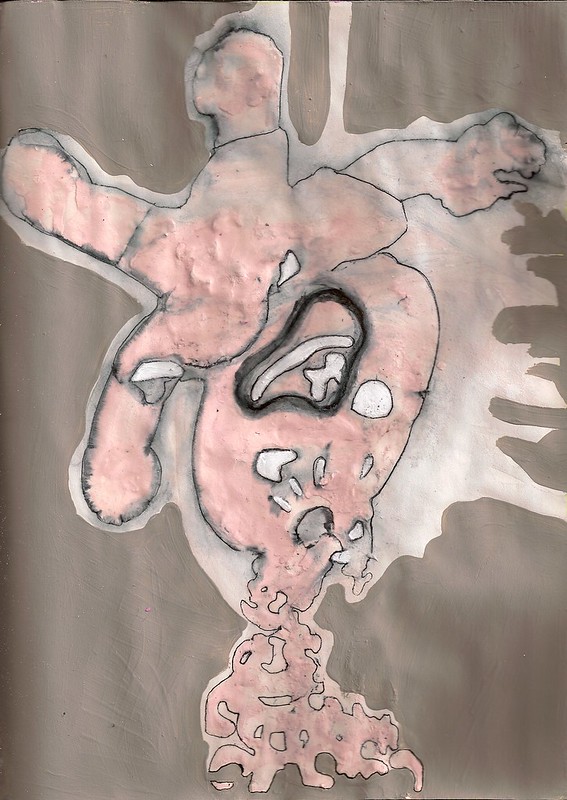
Abilify This medication, used to treat schizophrenia,
‘fragmented’ the self. Forms were depicted as overlapping in multiple layers or as shards of broken glass; this is interpreted as a projection of the confused psychological state experienced when the drug forcibly controls or disperses the flow of thought.
A Master of Art, the Destruction of the Nervous System and the Quagmire of Helplessness
Behind this grotesque self-portrait lay the harrowing destruction the artist was forced to endure. Saunders confessed that this reckless experiment, which lasted for years, had caused him irreversible brain damage.
During the experiment, he suffered from severe narcolepsy and orthostatic hypotension, and at times fell into a state of chronic lethargy lasting several weeks, to the point where he could not even hold a brush. As his brain’s neurotransmitter system was disrupted by artificial chemicals, he experienced a mental desolation in which he lost the boundary between reality and hallucination. It was akin to a ‘flesh-slicing asceticism’, in which he staked his biological right to survival as collateral for artistic achievement.
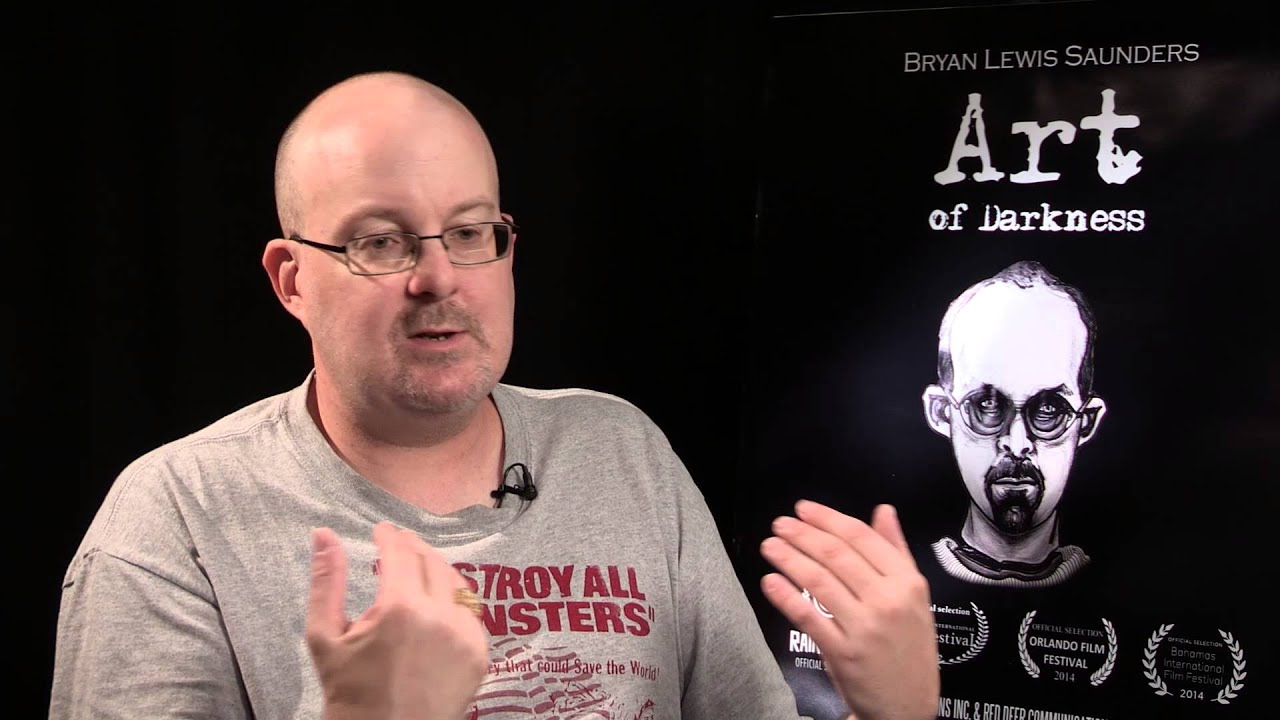
The gaze between ‘lawbreaker’ and ‘seeker’
Upon its release, Saunders’ work sparked fierce debate within the art world and among the general public.
The greatest criticism stemmed from the very fact that he had taken illegal drugs. The public criticised him for glorifying drug use in the name of art. Alongside moral concerns that this could have a harmful influence on young people in particular, there was a strong negative reaction seeking to dismiss his actions as ‘self-destructive sensationalism’ rather than artistic exploration.
Conversely, critics have hailed him as a ‘modern seeker who tested the limits of the mind’. His authenticity was recognised for exposing the reality of drugs through his work alone, without grand rhetoric, and for personally demonstrating the dangers of prescription drugs on which modern people rely. This earned him high praise as “the most honest clinical data and the most harrowing artistic confession”.

The intrinsic value of art
Brian Lewis Saunders’ work has now transcended a mere ‘self-portrait of drug use’ to become an icon symbolising the fragile structure of the human psyche. To own his work is not merely to possess a unique painting, but to own the ‘record of a struggle’ by a man who confronted head-on a realm that humanity had long tabooed.
He has now significantly reduced the intensity of his experiments for the sake of his brain health and continues his work only with medication prescribed by hospitals or within legal limits. His artistic journey, which brought about creation through destruction, continues to pose questions to us.
