A design that sacrificed a patent for the sake of humanity: Volvo
How a single plastic buckle changed humanity’s survival rate
There is a single design feature found without exception in every car on the roads across the globe.
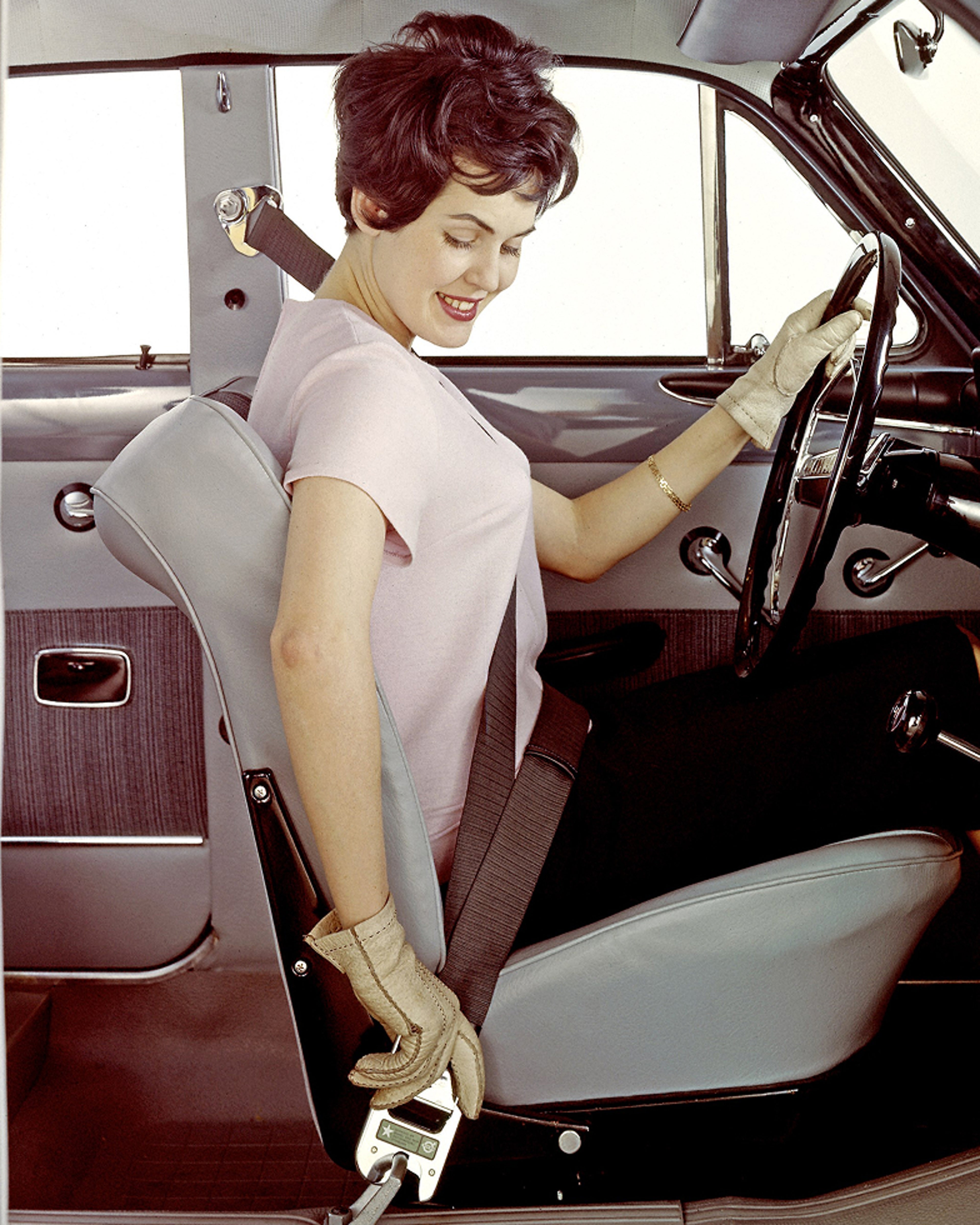
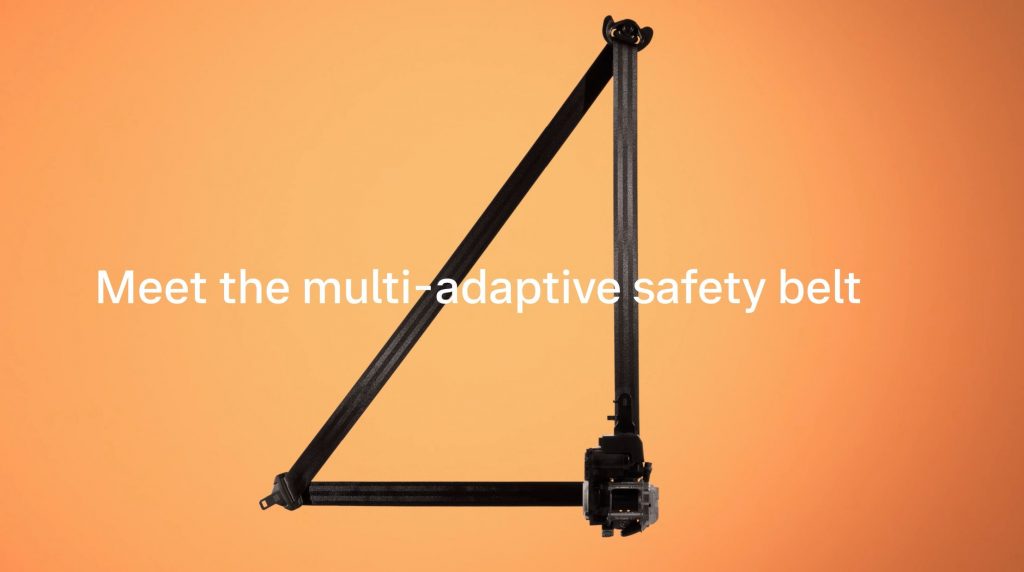
It is the ‘three-point seatbelt’, which securely fastens the occupant’s chest and hips in three directions. This intuitive object, which we reach for without a second thought every day to fasten securely around our bodies, has proven in the history of design how a ‘positive influence’—more powerful than aesthetic beauty—can save humanity.
A perfect paradox designed by an aeronautical engineer
Until the 1950s, before the advent of the three-point seatbelt, car seatbelts were predominantly of the two-point type, which only wrapped around the lower abdomen. However, this design had a serious flaw: in a high-speed collision, the upper body would be thrown forward, causing fatal secondary injuries to the spine or internal organs.
The man who solved this problem was Nils Bohlin, who was recruited as Volvo’s first safety engineer in 1958. Ironically, he was an aeronautical engineer who had been designing ‘ejection seats’ for fighter pilots. Having researched technology to propel the body outwards, he began to consider, conversely, a structure that would securely anchor the human body to a seat amidst extreme impact.
Just one year later, in 1959, he perfected the modern three-point seatbelt, which could be easily fastened with one hand and distributed the impact to the strongest parts of the body: the pelvis and shoulder blades.
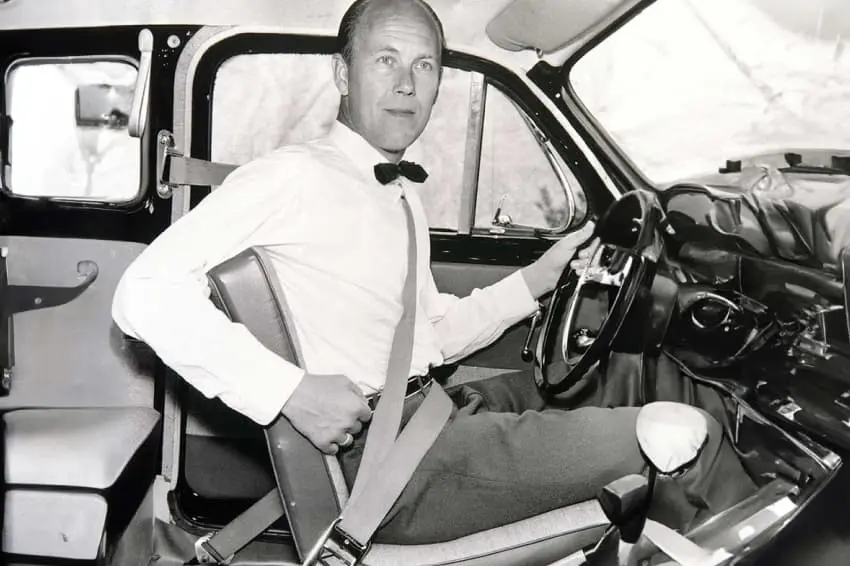
“Human life cannot be monopolised” – the decision to open up the patent
When Volvo first launched the vehicle (the Volvo PV544) equipped with this ingenious invention, the technology was an exclusive ‘cheat code’ capable of transforming the automotive market. Had Volvo retained the patent rights to this design and demanded technology royalties, it would have amassed an unimaginably vast fortune. However, Volvo’s management at the time, led by Nils Bohlin, made a bold and noble decision that went completely against the logic of the capitalist market.
“This technology must be available to all car manufacturers free of charge. Because technology that saves lives cannot be the subject of a monopoly.”
Volvo made the patent for the three-point seatbelt freely available to all its competitors worldwide, without any charge. Leading global competitors such as Mercedes-Benz, BMW and Ford began fitting seatbelts to their vehicles based on the blueprints provided free of charge by Volvo.
It was a beautiful moment when a company set aside its instinct to pursue profit and placed social responsibility and humanity at the forefront.

‘The Greatest Design’ that saved a million lives
Once the monopoly on the three-point seatbelt was lifted, it quickly established itself as the global standard. The German Patent Office selected Nils Bohlin’s seatbelt as one of the ‘eight greatest inventions that have contributed most to humanity over the past 100 years’ from 1885 to 1985, alongside Edison’s light bulb and Diesel’s engine.
Statistics estimate that, since its introduction, the three-point seatbelt has saved the lives of over one million drivers and passengers worldwide. Devised without flashy embellishments or technical flourishes, but solely through meticulous engineering consideration for human safety and an intuitive design, this piece of plastic and fabric continues to work miracles on the roads every second.

The noblest value an object can possess
The resonance that Volvo’s three-point seatbelt brings to us is clear. Good design is not merely about providing visual pleasure or creating high added value; its essence lies in its ability to sustain human life in a safer and more meaningful way.
The secret behind Volvo’s ability to establish its unrivalled brand heritage as the ‘epitome of safety’ today is not flashy marketing. It is because that noble design philosophy—which, 70 years ago, willingly relinquished a portfolio of patents worth trillions of won to the world in order to save humanity—is still very much alive today.