Museums of the World ⑮ ‘Inhotim’: A Paradise Imbued with the Spirit of the Amazon
Grand contemporary art nestled within a verdant tropical rainforest
Generally speaking, when one hears the word ‘art museum’, one tends to picture a ‘white cube’ in the city centre, with high ceilings, white walls and an atmosphere of tranquillity. However, deep within the forests of Brazil, on the other side of the globe, there exists a museum of an entirely new dimension that completely shatters this stereotype.
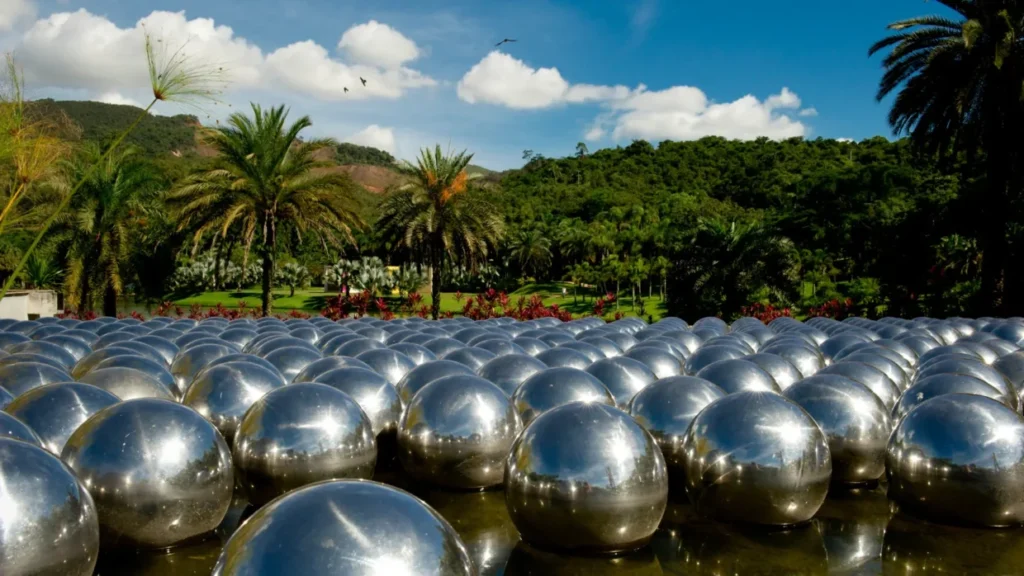
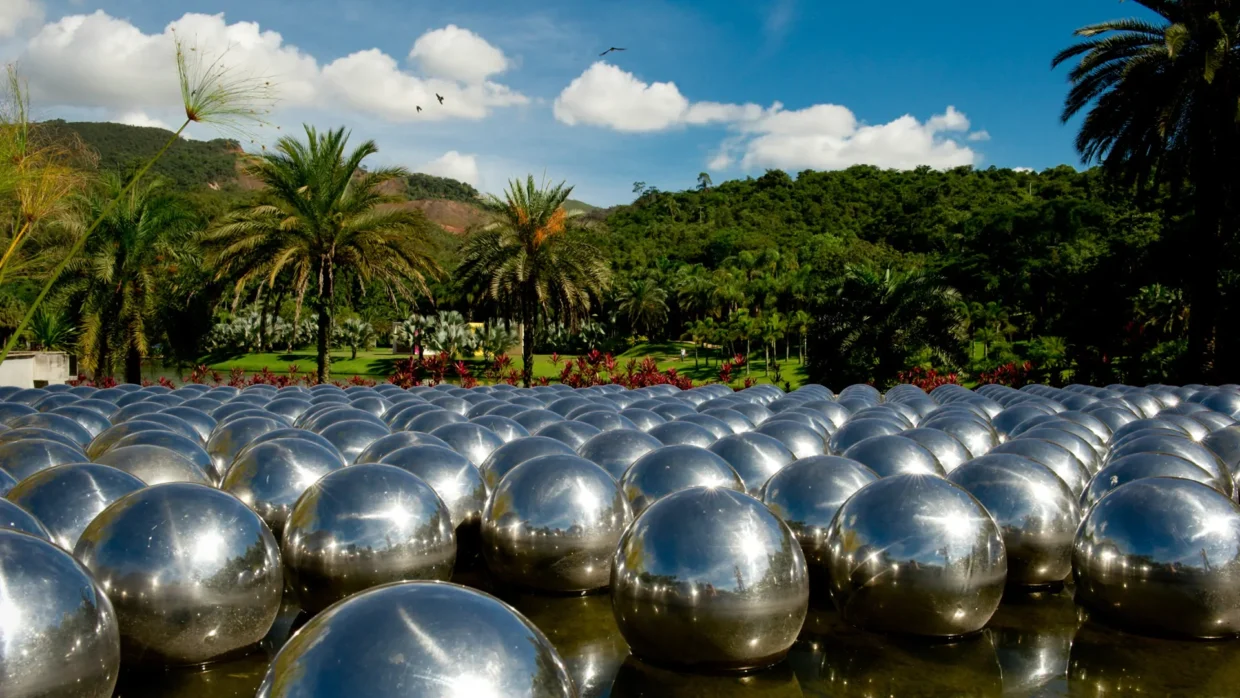
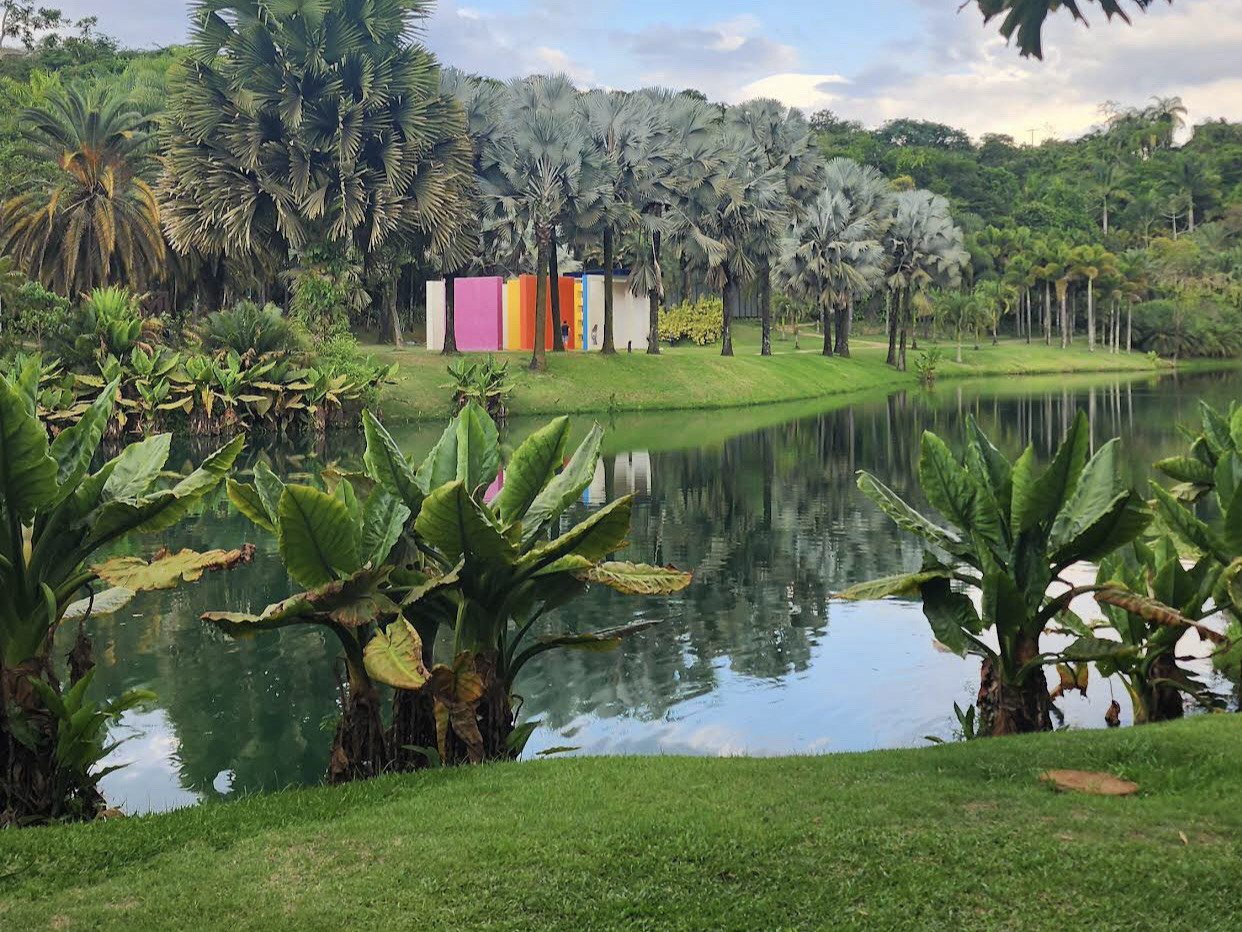
This is the story of ‘Inhotim’, the world’s largest open-air museum of contemporary art, where dozens of independent art pavilions are scattered throughout the lush tropical rainforest and botanical gardens of the Brazilian state of Minas Gerais. This place is more than just a venue for exhibiting artworks; it is a vast artistic organism where the vitality of nature and humanity’s avant-garde art are combined in the most marvellous way.
A mining magnate’s bold dream: using nature as a canvas
The birth of Inhotim stemmed from the vision of Bernardo Paz, a Brazilian iron ore mining magnate and world-renowned art collector.
It all began in the 1980s when he started cultivating his vast private estate alongside his artist friends; as masterpieces of contemporary art from around the world gradually gathered there, the site officially opened its doors to the public in 2006.
The exhibition grounds alone cover a staggering 140 hectares (approximately 420,000 pyeong). Spanning an area larger than hundreds of football pitches combined, the site features gardens teeming with thousands of species of rare tropical plants. Rather than following a fixed route, visitors can enjoy a delightful adventure, either by taking a cart ride or hiking through the lush forest paths, searching for hidden works of art whilst listening to the sounds of nature as their background music.

‘Pavilions’ scattered across the natural landscape like pointillist paintings
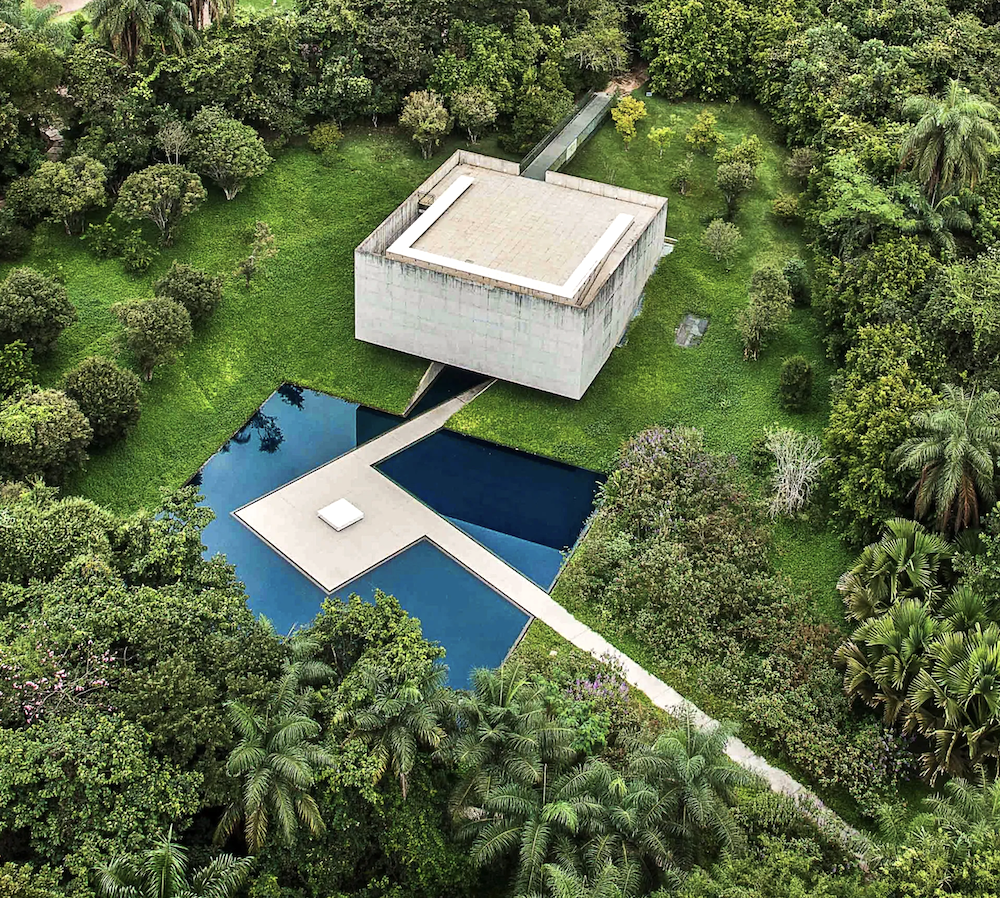
The most distinctive charm of the Inho Team lies in the fact that they did not cram the works of countless masters into a single, vast building. Instead, they scattered dozens of ‘independent pavilions’—each custom-designed for a single artist or a single installation—across the vast natural landscape, much like a pointillist painting.
- A space to be experienced with all five senses: the moment you step into the pavilion by Brazilian conceptual artist Cildo Meireles, you are confronted with a room filled exclusively with red furniture and objects. It is a room that completely shatters our common sense and perception of sight and space.

- Listening to the Earth’s Breath: American contemporary artist Doug Aitken’s ‘Sonic Pavilion’ involved drilling a hole 200 metres deep into the ground and installing specialised microphones. Inside the circular glass pavilion, visitors are immersed in a profound sense of awe as they encounter the Earth’s immense resonance and the sounds of the earth reverberating in real time.
In this way, Inho Team’s pavilions actively embrace natural light, wind and the landscape as integral parts of the architecture, forming a beautiful, pluralistic dialogue in which the artwork and nature intermingle and complement one another.
A milestone for humanity in exploring the coexistence of the environment and art
The Inho Team also offers an answer to the question, ‘How should art and ecology coexist?’, for humanity as it faces today’s climate crisis and environmental destruction. Here, where the museum itself is a vast ecological reserve and botanical garden, art does not seek to control or dominate nature. Rather, it humbly accepts the process whereby the surface of the artworks changes naturally under the influence of wind and rain, and the landscape of the exhibition is refreshed daily as the tropical rainforest grows.
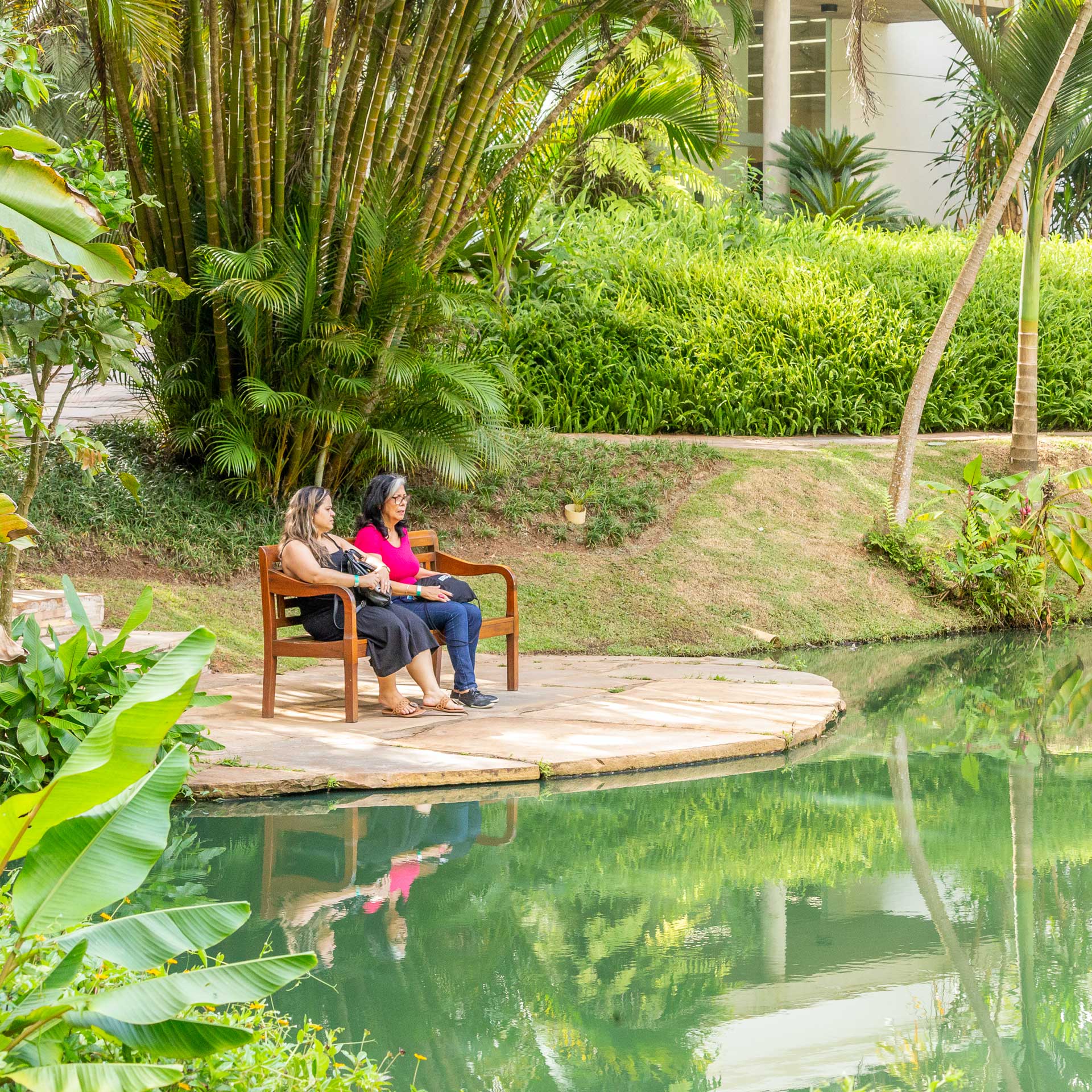
Visitors, stepping away from an anthropocentric perspective, appreciate contemporary art that has become intertwined with the world of insects, plants, soil and wind, and naturally learn the humility that comes from realising that humans, too, are merely a part of this vast ecosystem.
True artistic liberation encountered in the green embrace of the Amazon
Brazil’s Inho Team demonstrates with every fibre of their being just how profoundly art can move us when we escape the complexities of the city and return to nature in its most primal form.
Doesn’t the very thought of coming face to face with the works of the masters amidst the verdant breath of the Amazon—where the clamour of civilisation is completely shut out—fill you with awe? Breaking free from the rigid walls of the ‘white cube’ and erected in the deepest recesses of the Earth, this verdant art museum is the most sensorial and magnificent space of liberation that art lovers from around the world simply must visit at least once in their lifetime.
Overview and Summary
- Museum Name: Instituto Inhotim
- Location: Brumadinho, Minas Gerais, Brazil
- Founder and Opening: Bernardo Paz; officially opened in 2006
- Scale: An outdoor garden and botanical garden complex covering approximately 140 hectares (based on the exhibition area)
- Key Structure: Dozens of standalone pavilions by world-renowned artists such as Chris Burden, Anri Sala, Sildo Meirelles and Doug Aitken, independently scattered throughout the vast natural landscape
- Artistic Significance: Achieves a perfect fusion of contemporary art, the natural world and landscape architecture, setting a global standard for public art and ecological museums that transcends the limitations of the traditional ‘white cube’