The Art of Madness, Yayoi Kusama
A world covered in dots and hallucinations
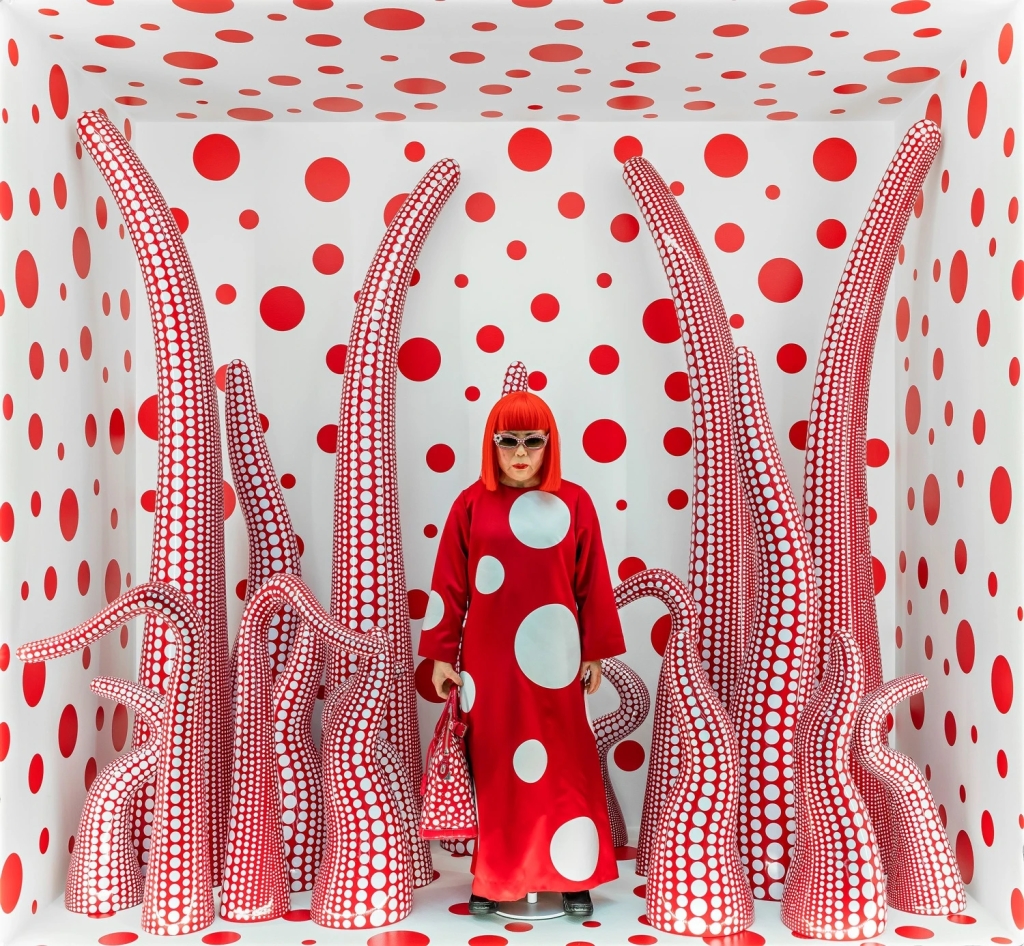
When viewing her works, composed of vibrant colours and endless dots, one feels as though they are being drawn into a delightful fantasy.
Yet behind these intense images lurk the shadows of deep darkness and madness. Her art was not merely an aesthetic exploration, but a struggle for survival—a last bastion in her battle against the hallucinations that threatened to consume her.
Infinite Dots: The Beginning of Madness
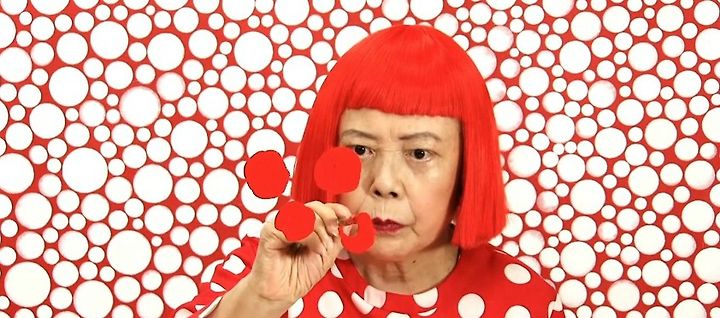
The ‘dots’ that Kusama first saw in her childhood were not mere patterns. They were a terror that threatened to swallow her whole, an endlessly recurring hallucination.
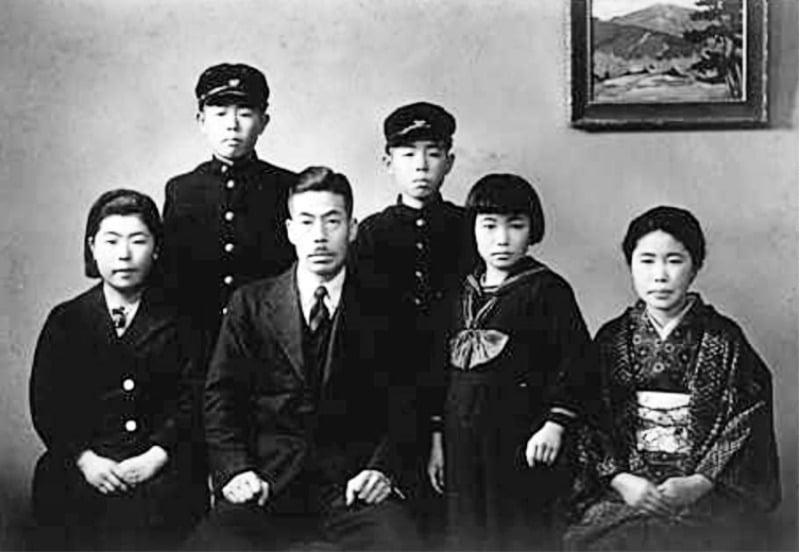
Born in Nagano Prefecture, Japan, in 1929, she enjoyed material wealth but suffered emotional deprivation. Her mother instructed her to spy on her father, who had a roving eye, to uncover his affairs. Reporting in detail on where her father went and whom he met was a burden too heavy for the young Yayoi to bear.
Furthermore, her mother—who had long suppressed her own emotional expression in a patriarchal society—pushed Yayoi even further to the limit, making her a scapegoat for her own anger.
The onset of severe mental illness
One day, whilst gazing at a red floral tablecloth, Yayoi Kusama suddenly experienced a hallucination in which it seemed to cover the entire room.
From the age of seven, she reportedly began to hear voices—such as violets, pumpkins and dogs speaking to her—and to see visual hallucinations, such as human-like faces on flowers or objects around her suddenly lighting up. This is where symptoms suggestive of schizophrenia first appeared. Schizophrenia, formerly known as ‘mental split’, is a mentally disoriented condition that typically begins in the late teens or twenties and follows a chronic course; it is a brain disorder that causes a deterioration in the ability to distinguish between reality and fantasy.
Everything she saw began to transform into an endless pattern, and from that moment on, she began to cover her world with dots and a web-like pattern. It was not merely art, but a means of survival to preserve her sanity.

The pumpkin: the only thing that protected her
In a corner of the storeroom where she had hidden after being chased by her mother, she discovered a ‘pumpkin’. A hard shell, lumpy protuberances, and a strange vitality radiating from within. In that moment, the pumpkin ceased to be merely a vegetable; it became the only thing she could trust in a chaotic world. From then on, she created countless works featuring pumpkins, which became her trademark.
Only when she was painting pumpkins could she escape her fears, and through this she protected herself. Ironically, however, it is said that the moment her art ended, her anxiety and suicidal impulses would return.
![위로와 치유의 향연…쿠사마 야요이의 '땡땡이 호박' [아트 갤러리]](https://economist.co.kr/data/ecn/image/2023/03/06/ecn20230306000074.600x.0.jpeg)
New York, City of Madness and Revolution
In 1957, she escaped Japan’s conservative art scene and set off for New York. Setting foot on American soil with a mere 2,000 yen (just over 20 dollars in today’s terms), she plunged straight into the heart of the New York avant-garde. At a time when Minimalism and Pop Art were emerging, her ‘Infinite Dots’ and obsessive repetitive patterns delivered a shock entirely unlike anything seen in the art world up to that point.
She staged radical and unconventional performances, such as staging nude performances on the streets and organising nude marches carrying anti-war messages.
She referred to the act of dotting as ‘Self-Obliteration’. By dotting endlessly, she sought to become one with the universe and, ultimately, to vanish. That was her art.

Art or mental illness?
Following her intense period of activity in New York, Kusama reached her mental limits. Eventually, in 1973, she sought admission to a psychiatric hospital of her own accord, and has continued to create whilst living there ever since.
Art saved her, yet at the same time it drove her relentlessly. The dots were not something she created; they were an entity that consumed her, and she had to battle them for the rest of her life whilst continuing to dot. Ironically, however, it was thanks to those dots that she became a world-renowned artist and one of the most powerful icons of modern art.
‘As I make the dots, I erase myself and am reborn.’