A Bizarre Banquet of Dreams and Desires: Salvador Dalí’s Surrealist Cookbook, <Gala’s Dinner>
The World of the Unconscious and Surrealism Brought to the Dining Table
Salvador Dalí, the master who epitomised 20th-century Surrealism, relentlessly captured the human unconscious and the world of dreams on canvas through melting clocks, distorted bodies and bizarre illusions.
However, it was not merely the oil paints on the canvas that he indulged in.
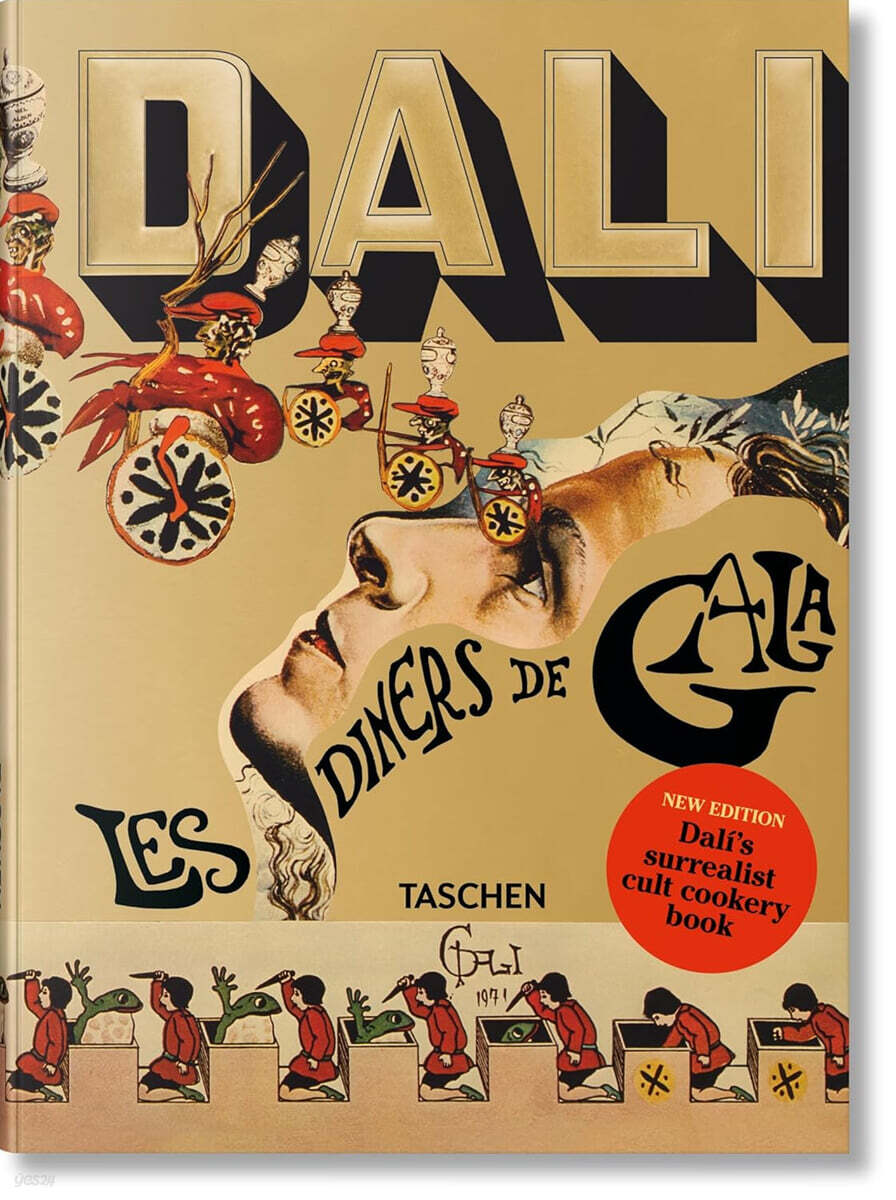
Dalí was so deeply fascinated by gastronomy and food as a medium that he left behind the witty maxim: ‘I know what I eat, but I do not know what I make’. Then, in 1973, at the age of 68, Dalí published <Les Dîners de Gala> (Gala’s Dinners), a bizarre yet captivating cookbook dedicated to Gala, his one and only source of artistic inspiration and his wife.
A pantheon of gastronomy featuring 132 recipes, presented with theatrical aesthetics
Originally published in a limited edition of just 500 copies, <Les Dîners de Gala> is not merely a recipe book, but a ‘Surrealist art gallery’ in its own right.
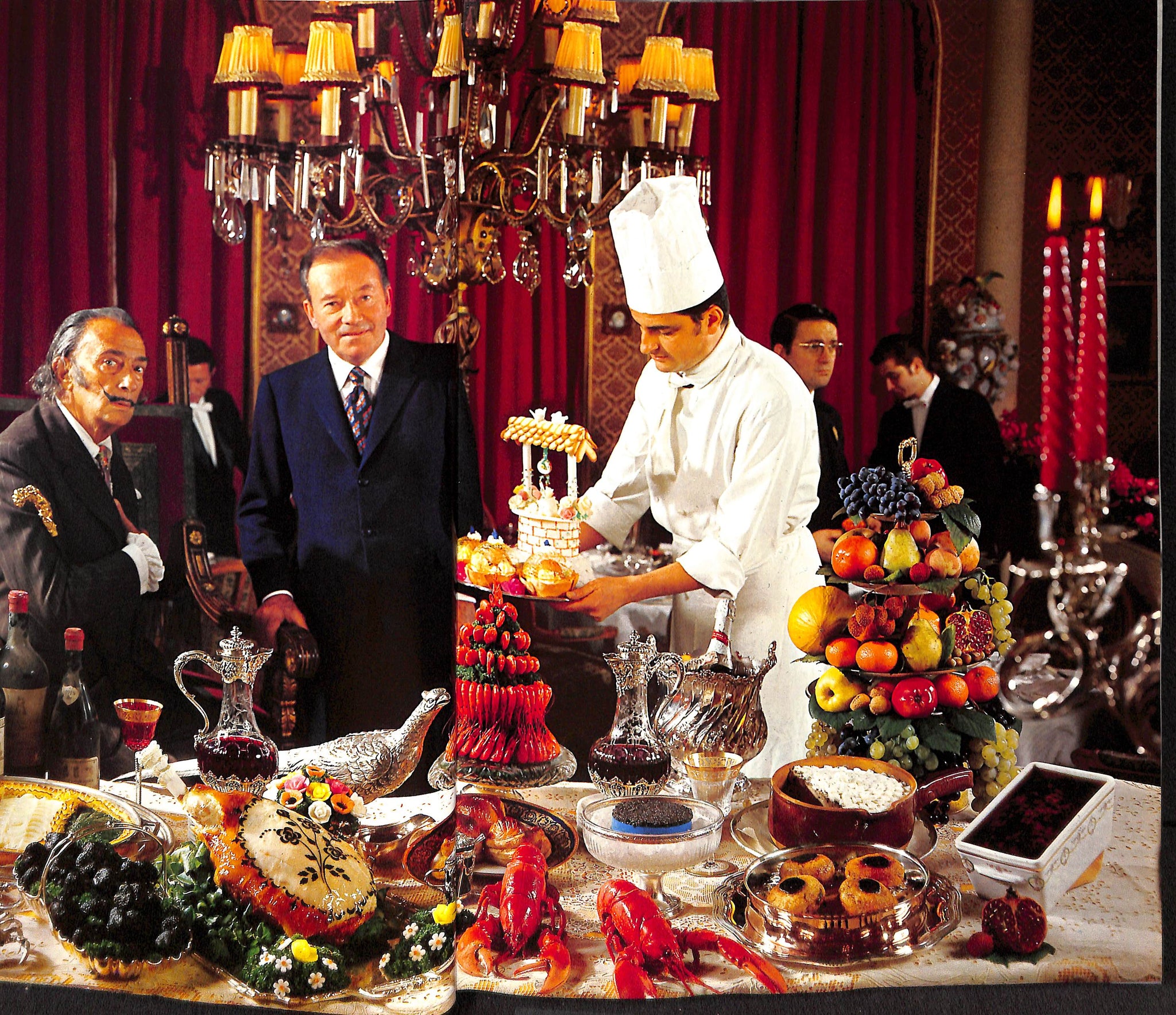
Dali was so passionate about gastronomy that he recalled dreaming of becoming a chef from the age of six. He collaborated with chefs from France’s finest restaurants of the time, ‘Lasserre’ and ‘La Tour d’Argent’, to compile a total of 132 recipes that can actually be cooked.
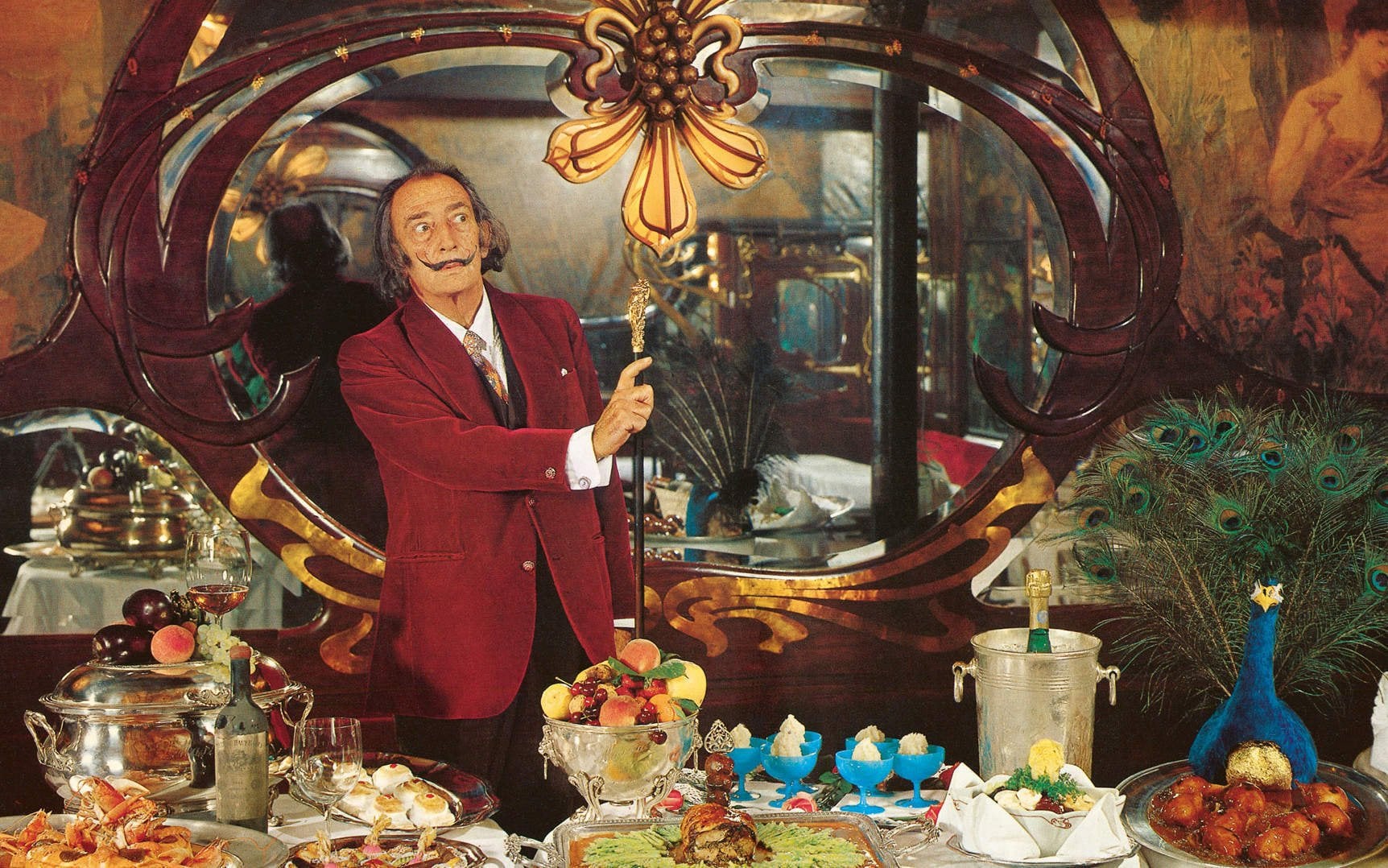
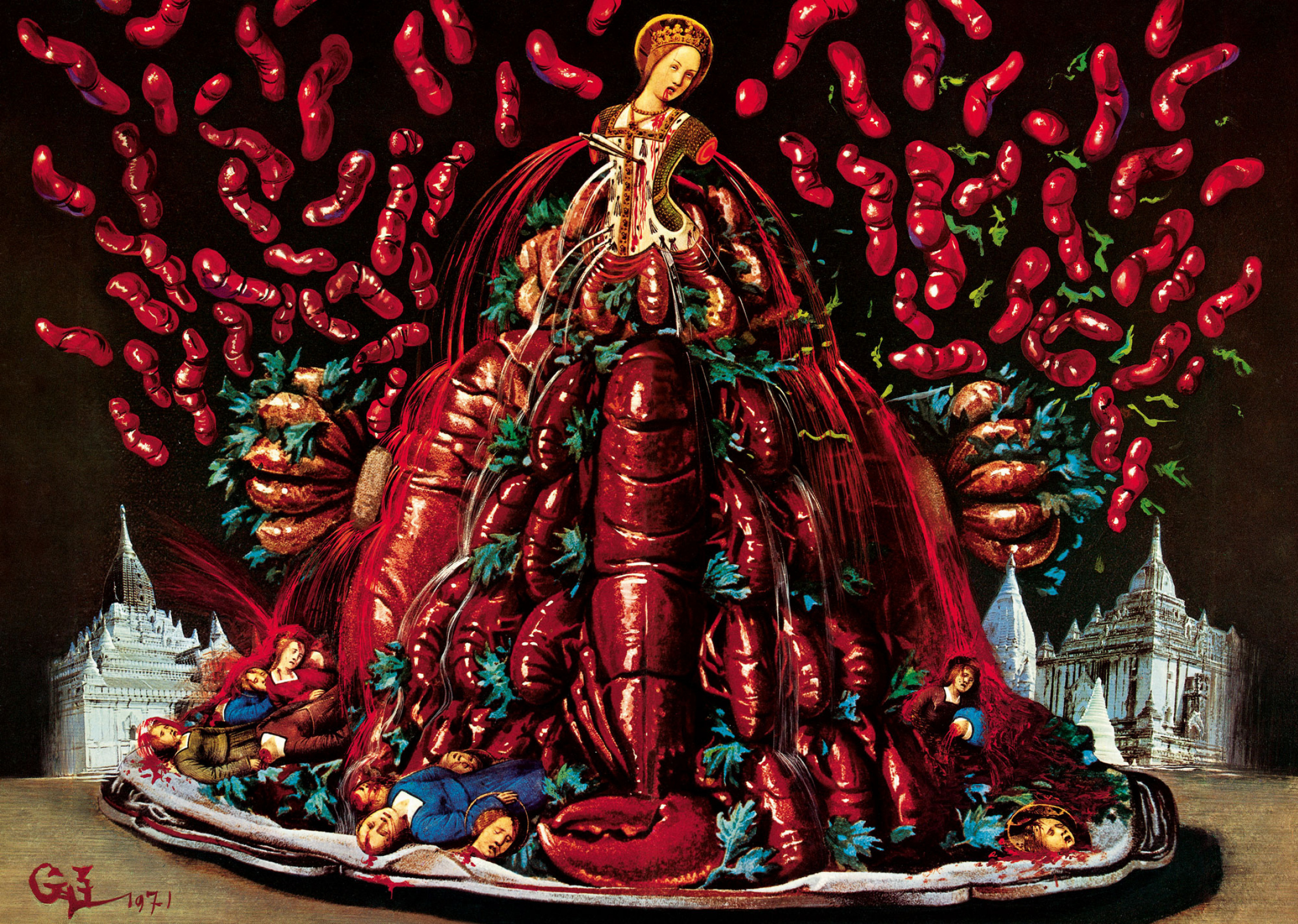
The book is organised into 12 chapters, delicately divided into sections such as ‘Eggs and Seafood’, ‘Meat’, ‘Game and Poultry’, and ‘Aphrodisiacs’—a section that highlights Dalí’s characteristic sexual symbolism. Each chapter features lavish collages and oil paintings drawn by Dalí himself, as well as photographs of bizarrely staged banquets, stimulating both the reader’s eyes and palate.

‘Down with calories and diets’: the hedonism of appetite and desire
In the preface to Gala’s Dinner, Dalí issues a firm and unambiguous warning.
‘This book is intended solely for those devoted to the joys of the appetite. Dieters who count calories and turn a delightful meal into a chemical form of suffering, and nutritionists without any credibility, should close this book immediately.’
For him, food was not merely a source of nutrition, but a medium that stimulated human desire.
The visuals that appear in the book—such as fish dishes that seem to bleed, towers of lobster piled high, and enormous bird dishes set amongst the foliage—create the illusion that the landscapes from his masterpiece *The Persistence of Memory* have been transplanted directly onto the dining table. Particularly fascinated by crustaceans—which conceal tender flesh beneath their hard shells—he believed that the very act of chewing and swallowing food was the most perfect way to internalise a work of art.
The Surrealist Dining Table Returns After Some 40 Years
Long considered a rare find and traded for thousands of dollars, this book garnered renewed attention in 2016 when it was republished in its original form by the art publishing house Taschen.
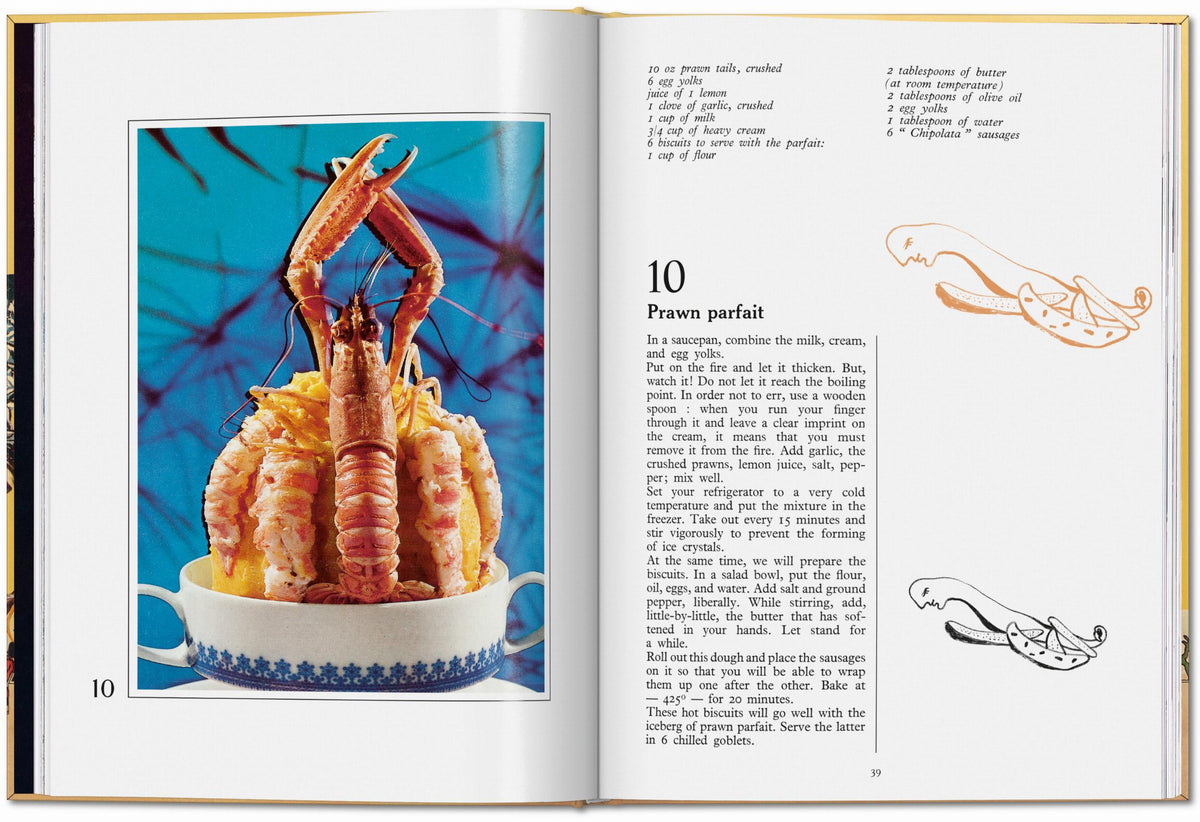
In particular, ‘Prawn Parfait’, one of the signature recipes featured in the book’s ‘Seafood (Les 10 recettes de la Mye)’ section, presents a curious combination of ‘parfait’—a classic dessert—and savoury seafood. Mashed prawn flesh was mixed with milk, double cream, egg yolks, garlic and lemon juice, then frozen until solid to resemble ice cream, before being topped with a tower of prawns and a lobster holding a giant claw. Designed to be enjoyed alongside a warm, freshly baked chipolata sausage biscuit, the dish completely breaks down the boundaries between cold and hot, and between dessert and savoury.
The way world-class chefs today infuse their dishes with storytelling and present original cuisine that stimulates all five senses bears a striking resemblance to the surrealist dining experience Dalí envisioned some 50 years ago.
If you’re in need of a refreshing change from the monotony of everyday life, why not step into this whimsical and bizarre banquet prepared by Dalí?

Key Summary of <Gala’s Dinners>
- Title: <Gala’s Dinners (Les Dîners de Gala)>
- Author: Salvador Dalí
- Published: 1973 (limited edition of 500 copies), reissued by Taschen in 2016
- Contents: 12 chapters, 132 actual recipes, featuring Dalí’s hand-drawn illustrations and collages
- Features: Gastronomic hedonism that rejects dieting and practicality; a surrealist worldview realised through food