Soap bubbles made from urine, Teresa Margolles
The moment you open the gallery door, a damp, musty air envelops your face. The gallery floor has a smooth sheen, as if it has just been cleaned, whilst transparent soap bubbles float lightly in the air, like the laughter of children.
However, the moment you realise the ‘ingredients’ hidden behind this peaceful scene, your breath catches and your skin prickles. For the air you have breathed in, and the water that has touched the soles of your shoes, is the water used to wash the nameless corpses at the Mexico City municipal mortuary.
Magolés does not display visual horror. Instead, he appeals to the senses of smell and touch. The final moments of the deceased, dissolved in the invisible, fine mist, penetrate deep into the audience’s lungs.
This is both an act of terror that shatters the complacency of bourgeois spectators who have viewed Mexico’s violence as if it were a fire across the river, and a harrowing form of solidarity.

Water from the mortuary becomes the language of art – , 2003
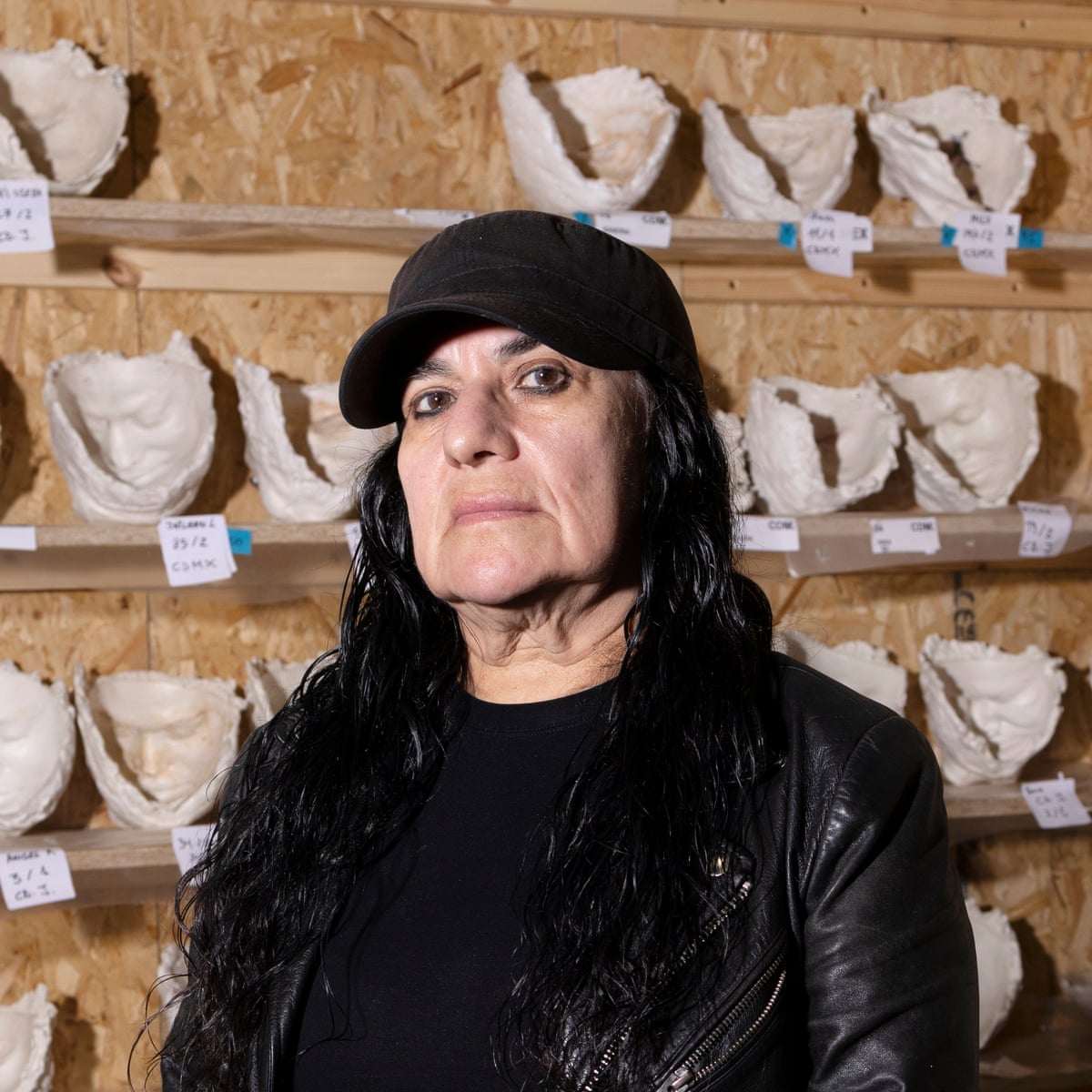
Teresa Margolles is an artist who has confronted death as ‘matter’ whilst working as an autopsy assistant in Mexico City. To her, the water used to wash corpses is not waste to be discarded. It is the final evidence left behind even after the body has vanished, and a medium that encapsulates the suffering of the deceased.
In
At the time, visitors experienced extreme psychological distress upon learning the nature of the work’s raw material. Some held their breath and hurriedly left the gallery, whilst others sank to the floor in tears. You are not merely viewing a work of art; you are forced to ‘breathe in’ someone’s death.

The instant a soap bubble bursts against the skin
, 2003
Her signature work,
The raw material for these soap bubbles is, in fact, urine. The victims of the Mexican drug war—unidentified women whose existence society has dismissed as mere statistics and erased—return to your skin in the form of soap bubbles. With every bubble that bursts, a faint, fishy odour wafts through the exhibition space, and the audience witnesses the fleeting truth of ‘beauty’ transforming into ‘horror’.
As they wipe the moisture from their bodies, visitors come to realise just how easily the deaths of others can seep into their own daily lives.

The indelible testimony of blood
<¿De qué otra cosa podríamos hablar? (What else could we talk about?)>, 2009
At the 2009 Venice Biennale, Margoles adopted an even more direct approach. He had the floor of the exhibition space cleaned every morning using a mixture of mud stained with blood and bodily fluids collected from the scenes of drug-related crimes. Walking through the exhibition space, which reeked of a foul odour, visitors felt the traces of death beneath their feet.
As time passed, the water evaporated, but a milky-white residue and sticky stains remained on the floor. Margoles demonstrated that death can never be thoroughly cleaned away. At the time, a fierce debate raged at the venue over whether this was ‘art or torture’. Yet the act of mopping the floor was a mockery of the powers that seek to cover up murder, and a desperate struggle to force people to remember deaths that were fading from memory.


A Breath We Cannot Ignore
The unease one feels in the presence of Magoles’ work is not merely a physiological revulsion at ‘blood’. It is the bewilderment that arises when our bystander mentality—our tendency to view the tragedies of others from a safe distance—is shattered.
She does not use fake blood or elaborate sculptures. She strikes us solely with ‘particles of real death’. As you leave the exhibition space, the chill lingering in your lungs will persistently pose a question. Can you truly turn a blind eye to the fact that the air you have just breathed in was someone’s final trace?