Museums of the World ⑥ Artifice and Nature, Tradition and Modernity: Jeju’s ‘Bonte Museum’
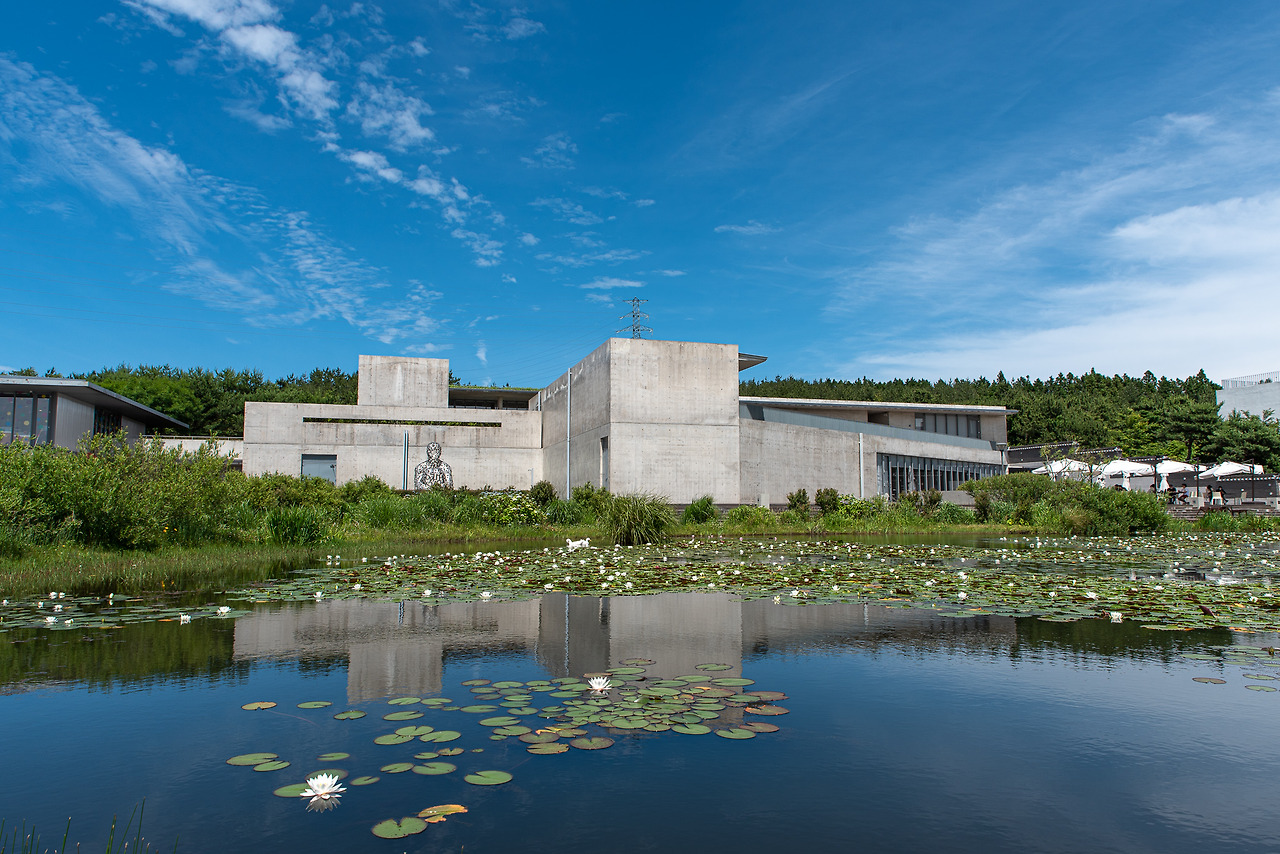
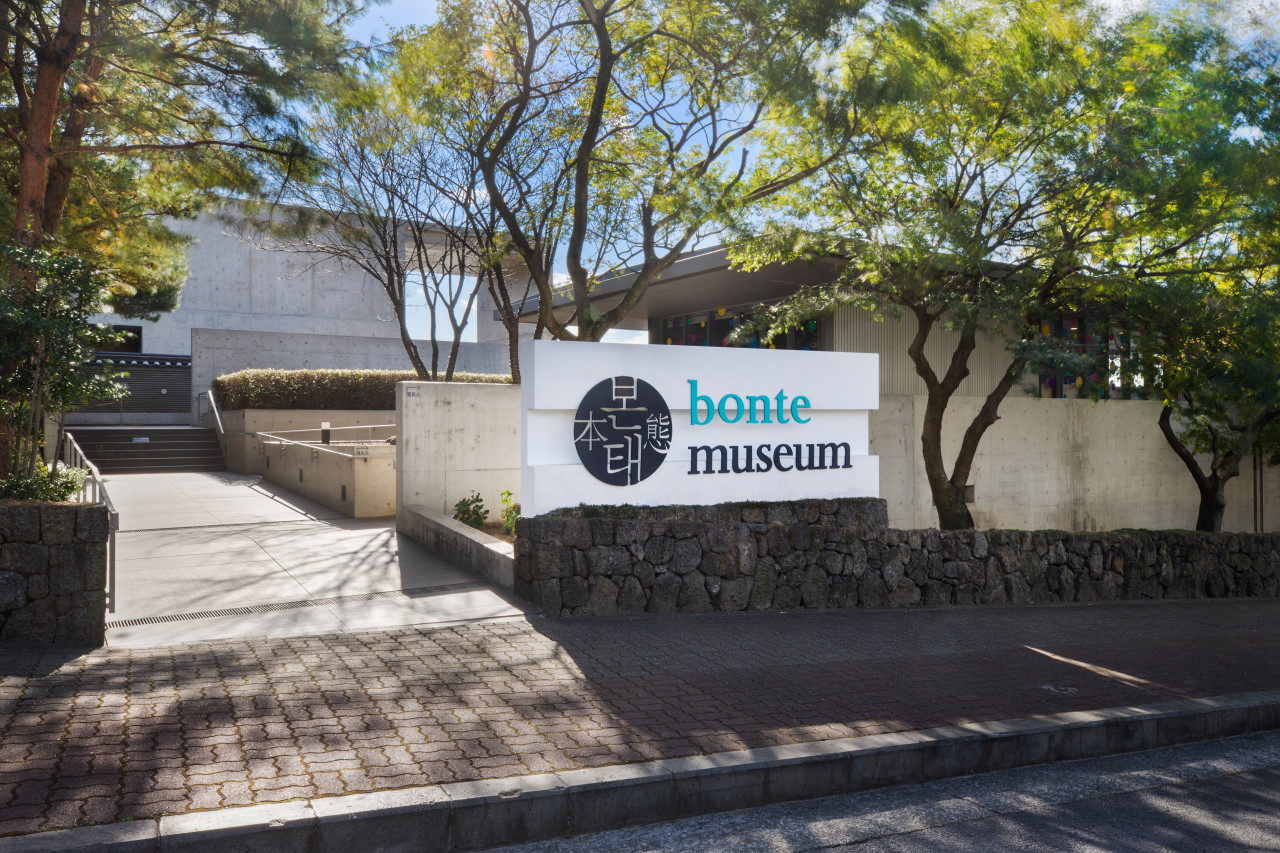
Situated on the gentle slopes of a mountain in Seogwipo, Jeju Island, the Bonte Museum is, as its name suggests, a space dedicated to exploring ‘the original form’. Designed by the world-renowned architect Tadao Ando, this is a monumental site that demonstrates how the exposed concrete aesthetic he has long pursued can resonate with traditional Korean elements.
Resting low upon Jeju’s tranquil landscape—rather than perched on sheer cliffs or set amidst a bustling city centre—this museum proposes the most humble relationship between humanity, architecture and nature.
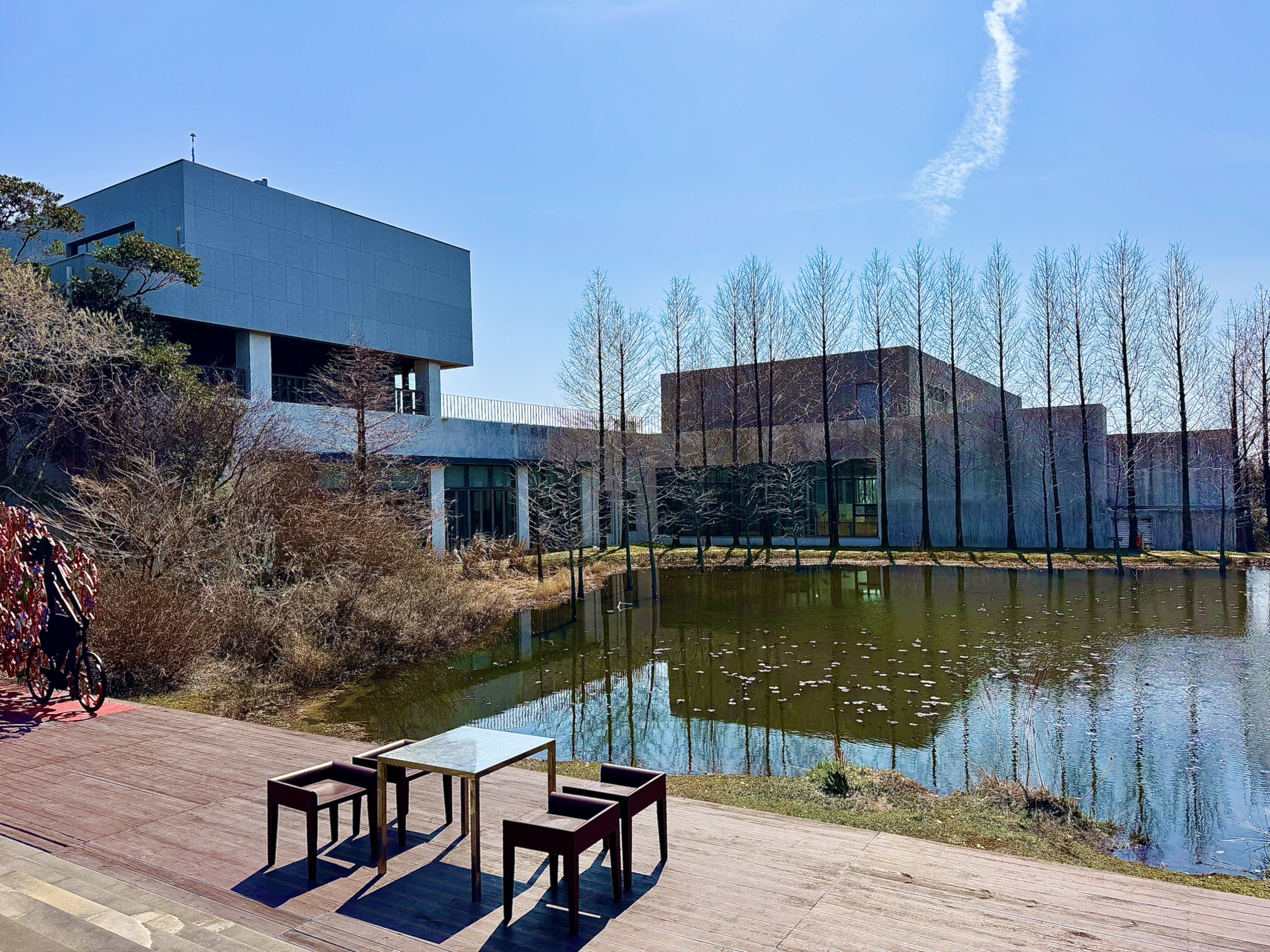
Bontae (本態): An artistic journey towards rediscovering one’s true nature
The Bontae Museum was established to preserve and exhibit the collection of traditional Korean crafts amassed over a lifetime by Advisor Lee Haeng-ja. True to its name, which means ‘original form’, the museum re-examines the pure beauty of the simple low tables, wrapping cloths and wooden furniture used by our ancestors in their daily lives, through a modern lens.

The founder commissioned Tadao Ando to design the building, wishing for traditional Korean sensibilities to be infused into the architecture; in response, Ando incorporated traditional Korean stone walls and tiled roofs amidst the geometric concrete walls.
This has created a unique landscape where Western modernism and Eastern sensibilities do not clash but embrace one another. As visitors walk along the modern corridors and suddenly come face to face with stone walls and tiled roofs, they realise that art ultimately transcends time and connects us to an essential beauty.
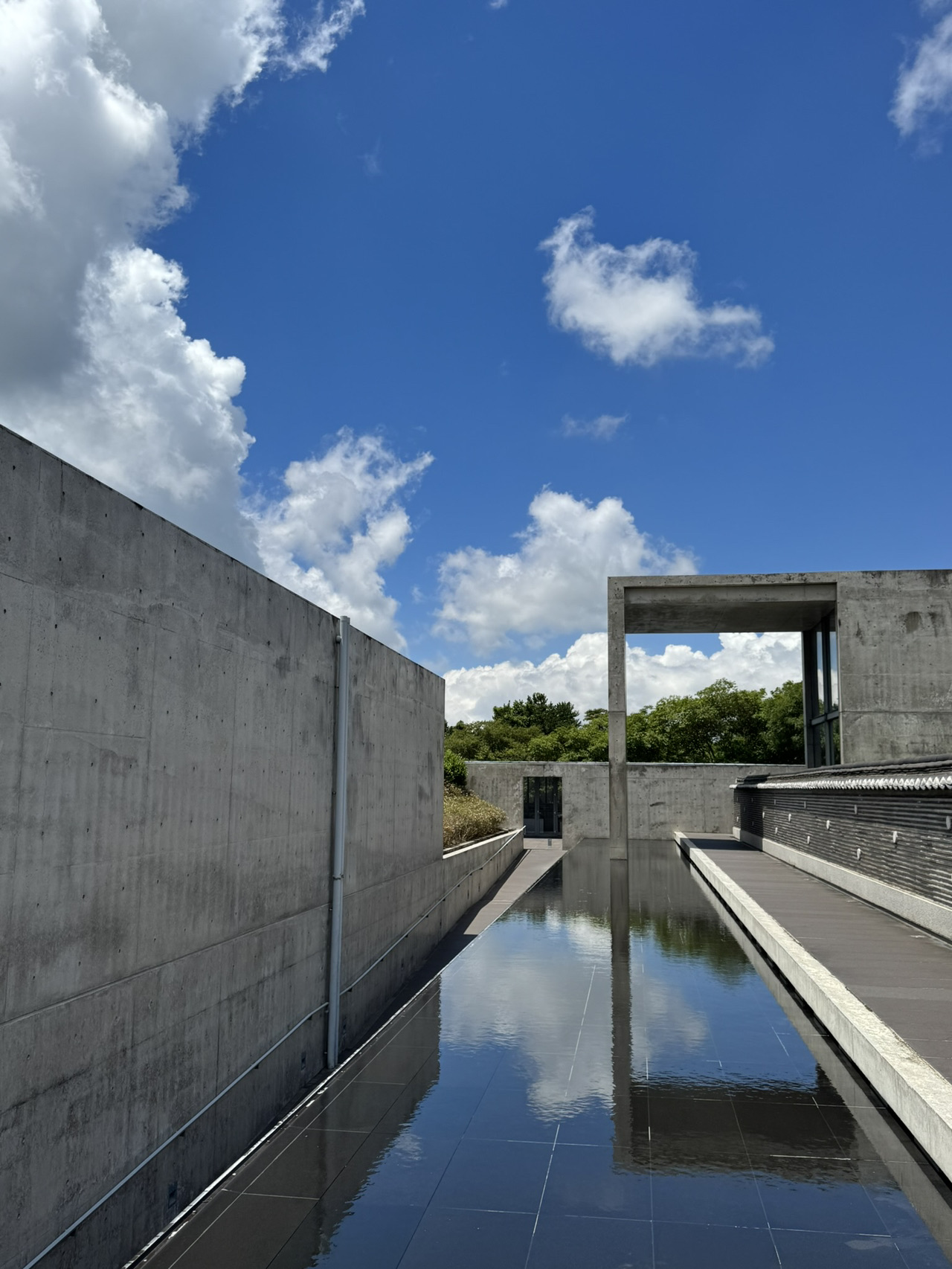
Tadao Ando’s Curation of Light, Water and Jeju’s Nature
The Bontae Museum is one of the places where light, water and wind—the core elements of Tadao Ando’s architecture—are most harmoniously realised. Ando structured the space using long passageways and sloping surfaces that shield against Jeju’s harsh winds whilst gently welcoming the sunlight. The water garden, which extends from the museum entrance, mirrors the surrounding mountains and sky, creating the illusion that the building is not anchored to the ground but rather floating within the flow of nature.
Upon entering the exhibition galleries, the restrained light streaming through the windows casts soft shadows on the exposed concrete walls. Ando designed the space to minimise artificial lighting, allowing natural light to reveal the texture of the artworks in the most honest way possible. In particular, the distant view of Mount Sanbang, visible between the walls modelled on Jeju’s stone walls and the concrete partition walls, exemplifies the essence of ‘chaekyeong’ (borrowed scenery) as intended by the architect. This reflects a respectful attitude whereby the building does not conquer nature, but rather welcomes it as an integral part of the art.
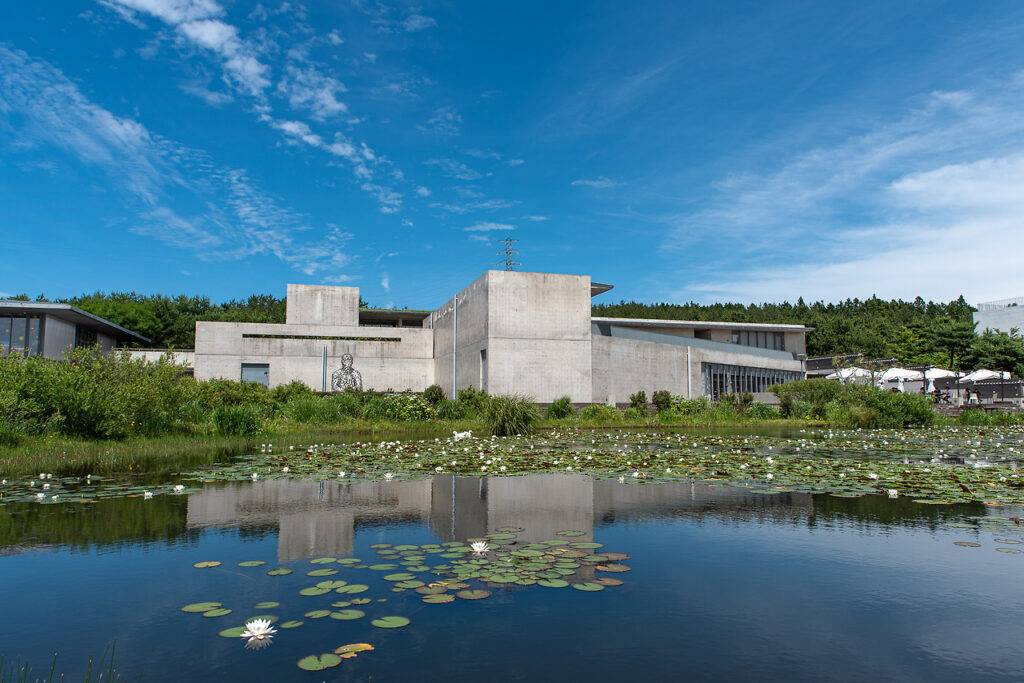
A Collection Spanning Time and Space
The exhibitions at the Bontae Museum span past and present. The visitor route, stretching from Gallery 1 to Gallery 5, begins with traditional Korean crafts and expands to include the masters of contemporary art. In particular, the permanent exhibition space dedicated to the world-renowned artist Yayoi Kusama is a highlight of the museum. Her iconic works, ‘Infinite Mirror Room’ and ‘Pumpkin’, which utilise mirrors and lighting, radiate an even more intense energy within Tadao Ando’s meditative architectural space.
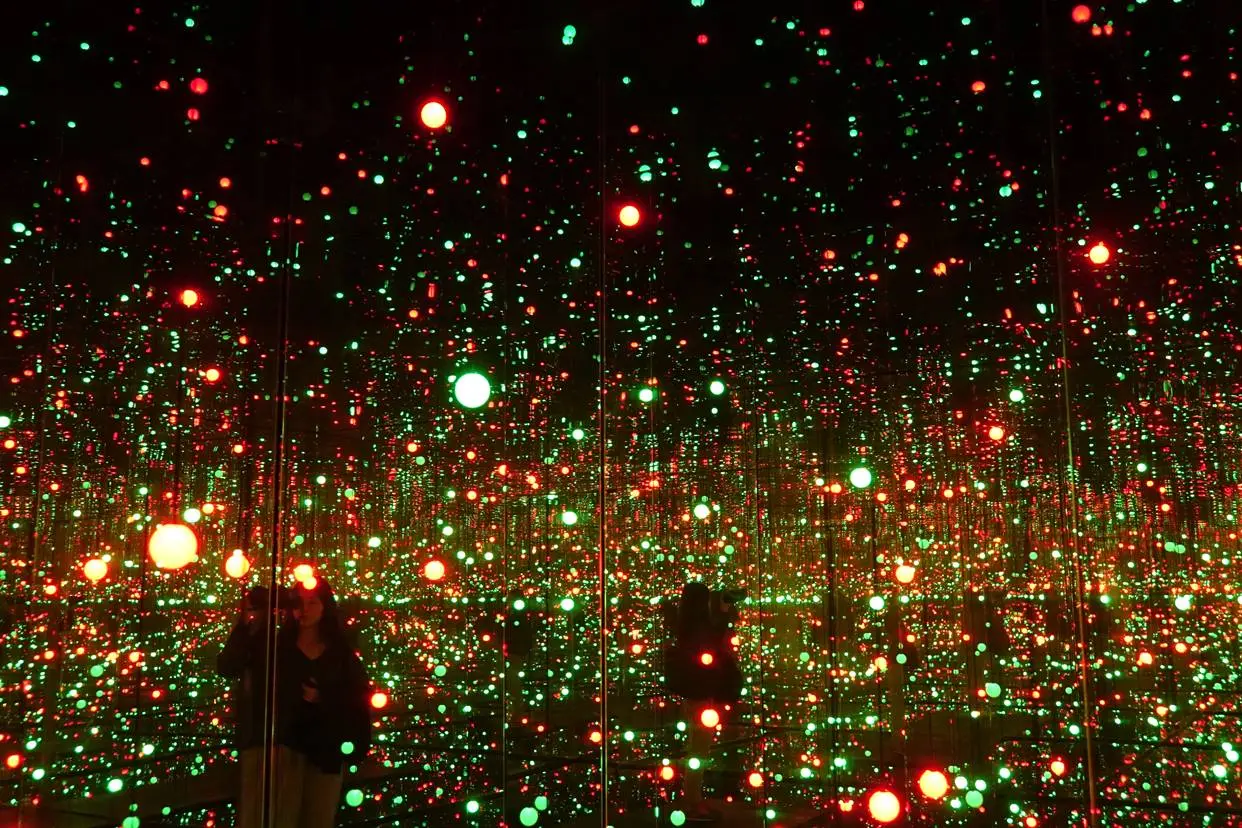
Works by masters such as Picasso, Dalí and Nam June Paik are displayed throughout the museum, offering a new artistic discovery with every step. However, the true value of the Bonta Museum lies in the humble folk artefacts—such as traditional embroidered wrapping cloths and funeral bier covers—situated amongst these illustrious names. The coexistence of dazzling contemporary art and the humble crafts of anonymous artisans under one roof eloquently demonstrates that luxury is not about ostentation, but rather a discerning eye that pierces to the very essence of things.

A path for contemplation: an experience that fills the gaps in everyday life
A visit to the Bontae Museum is more than simply viewing artworks. The walking paths and rooftop garden, created by utilising the building’s varying elevations, offer the perfect setting for contemplation whilst taking in views of Jeju’s sea and mountains. The ‘Triangular Room’, designed by Tadao Ando, and the external staircases constantly shift the visitor’s perspective, allowing them to experience the three-dimensionality of the space.
This is not a tourist destination to be rushed through, but rather an ‘island of art’ where time flows slowly. For readers of luxury magazines, the Bontae Museum will serve as a precious retreat where they can rediscover the roots of Korean aesthetics amidst Jeju’s natural surroundings and experience the ‘Ode to Light’, designed by the master architect Tadao Ando, with every fibre of their being.
[Travel Info]
- Location: 380 Sangcheon-ri, Andeok-myeon, Seogwipo-si, Jeju Special Self-Governing Province
- Architect: Tadao Ando
- Features: A space where visitors can simultaneously appreciate traditional Korean crafts and works by modern art masters such as Yayoi Kusama
- Tip: Enjoying tea at ‘Café Bontae’ inside the museum whilst gazing out over the waterside garden is the most peaceful way to savour the harmony between architecture and nature.