History of Western Art ④ – The Expansion and Subversion of Art: From Duchamp to Contemporary Art
A Conceptual Reversal — Marcel Duchamp and the Beginnings of Conceptual Art
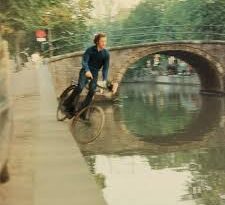
In 1917, Marcel Duchamp turned an ordinary ceramic urinal upside down at an exhibition in New York and titled it *Fountain*. This marked one of the most shocking turning points in art history, an event that deconstructed the very definition of ‘what art is’.
Duchamp subsequently continued his declaration that the artist’s ‘intention’ itself could become art by recontextualising readymades such as a bicycle wheel, a bottle rack and LHOOQ. This attitude prioritised concepts, ideas and context over physical production. By placing everyday objects in the exhibition space, he transformed ‘intent’ into art. Duchamp’s readymades deconstructed the concepts of painting and sculpture, becoming the starting point for all subsequent modern art forms, including Conceptual Art, performance art, installation art and performance.
Subsequently, modern art shifted to a new paradigm in which production and technique became secondary, and it was the artist’s concepts and questions that defined the work.
Incorporating the Language of Popular Culture — Pop Art
In the United States of the 1950s and 1960s, popular culture, consumer society and mass media emerged as the central language of art. Pop Art shattered the stereotype that painting must be intellectual and abstract, bringing everyday images and popular icons into the realm of art.
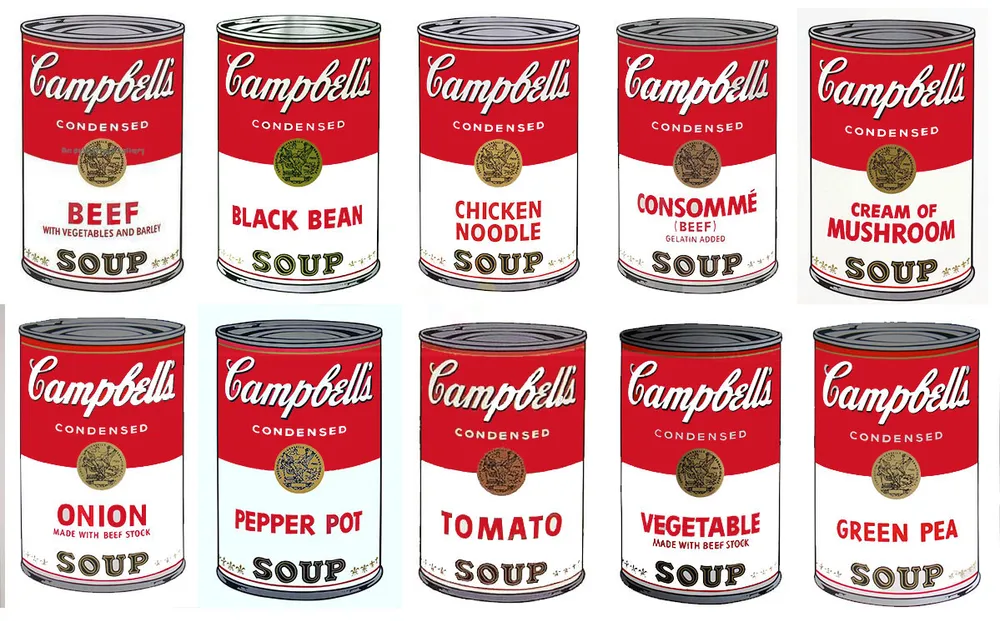
Through his works featuring Marilyn Monroe and the Campbell’s Soup Can series, Andy Warhol broke down the boundaries between art, advertising and the star system by appropriating repetitive, replicated and mechanised images. Roy Lichtenstein, through works such as
Subsequently, Pop Art utilised images from mass media such as newspapers, advertisements, films, TV and comics as subject matter, employing repetitive or clichéd techniques to elevate kitsch images to the status of art. By breaking down the boundaries between high art and popular art, it established the mass appeal, consumability and repetitiveness of art as a new aesthetic language.

The Deconstruction of Fixed Forms — The Transformation of Abstract Sculpture
Not only painting but also sculpture continued to experiment with non-figurative and non-representational forms. Henry Moore abstracted the human form through organic curves, voids and and space, allowing his sculptures to breathe as landscapes, whilst Barbara Hepworth, in works such as *Void Within Form*, developed the empty space within the form and the flow of the external environment into a single sculptural language.

In the later period, Richard Serra, through works such as
The Body Becomes Art — Performance Art
As art was liberated from the object, art itself began to become an act, or performance. Joseph Beuys practised symbolic performances that fused politics, education and nature in works such as

Subsequently, Marina Abramović undertook an experiment in *Rhythm 0 (1974)>, she entrusted her body to the audience and undertook an experiment that directly revealed violence, passivity and compassion through a performance in which she accepted every action; in *The Artist Is Present*, she allowed the audience to experience the connection between art and humanity through silent eye contact.
Performance art marks a shift where art is no longer ‘made’ but ‘performed’. By incorporating the body, space, time and the audience as elements of art, it presented the possibility that art could be a living experience rather than a static outcome.
Taking the City as a Stage — Street Art
Artists seeking art that is public and outside the institutional framework began to use the street, walls and the urban environment as their canvas. Through works such as *The Flower Thrower* (2003) and *Girl with a Balloon* (2006), Banksy metaphorically expressed political satire, anti-capitalism and social hypocrisy. Whilst maintaining his anonymity as an artist, he has become one of the most influential contemporary artists in the world.
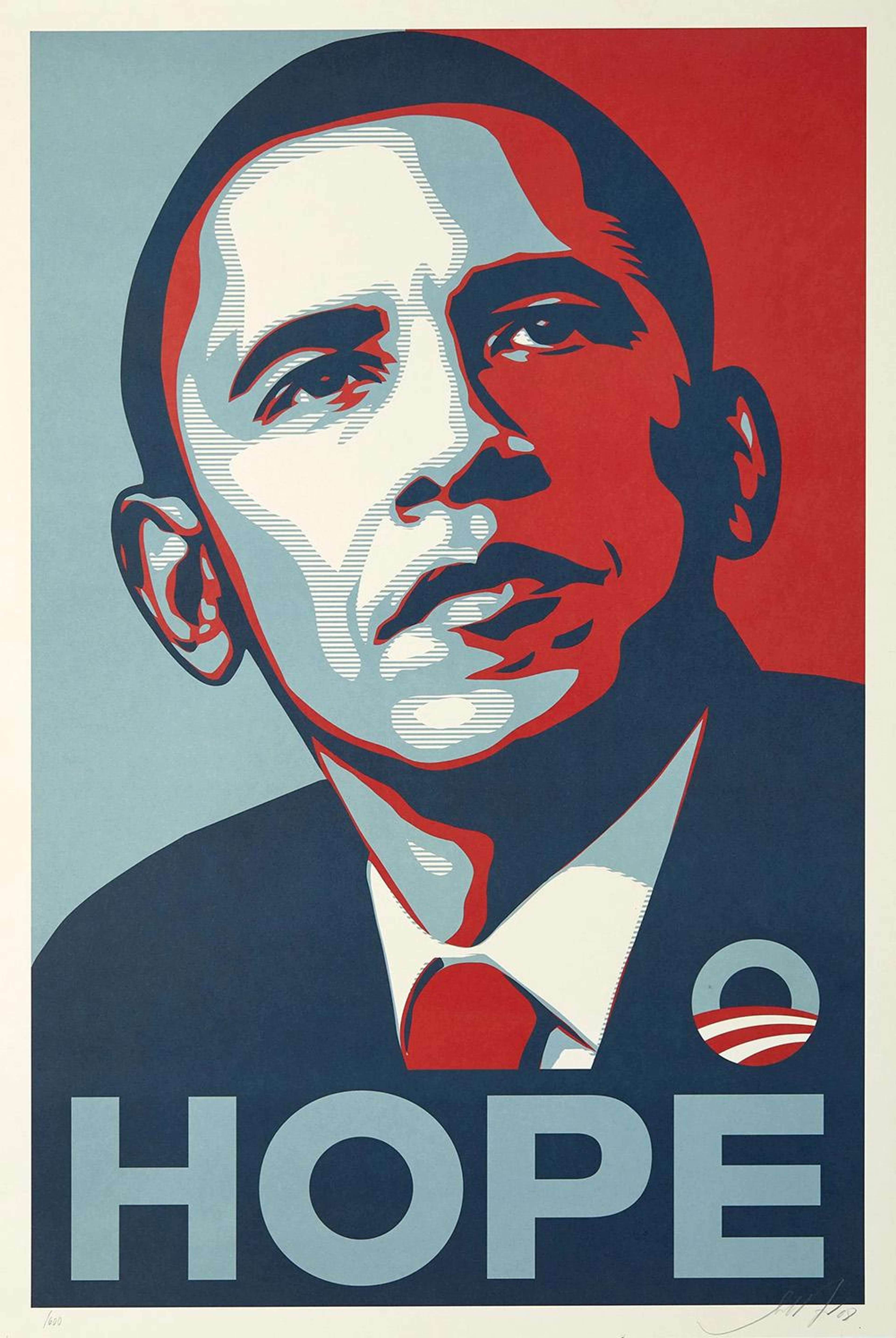
Keith Haring began with subway graffiti and conveyed issues such as AIDS, LGBTQ+ rights and human rights through a bright and simple visual language, whilst Shepard Fairey demonstrated the fusion of visual symbols and political messages through his OBEY series and HOPE (the Obama poster).
Paintings Created by Technology — The Rise of Media Art
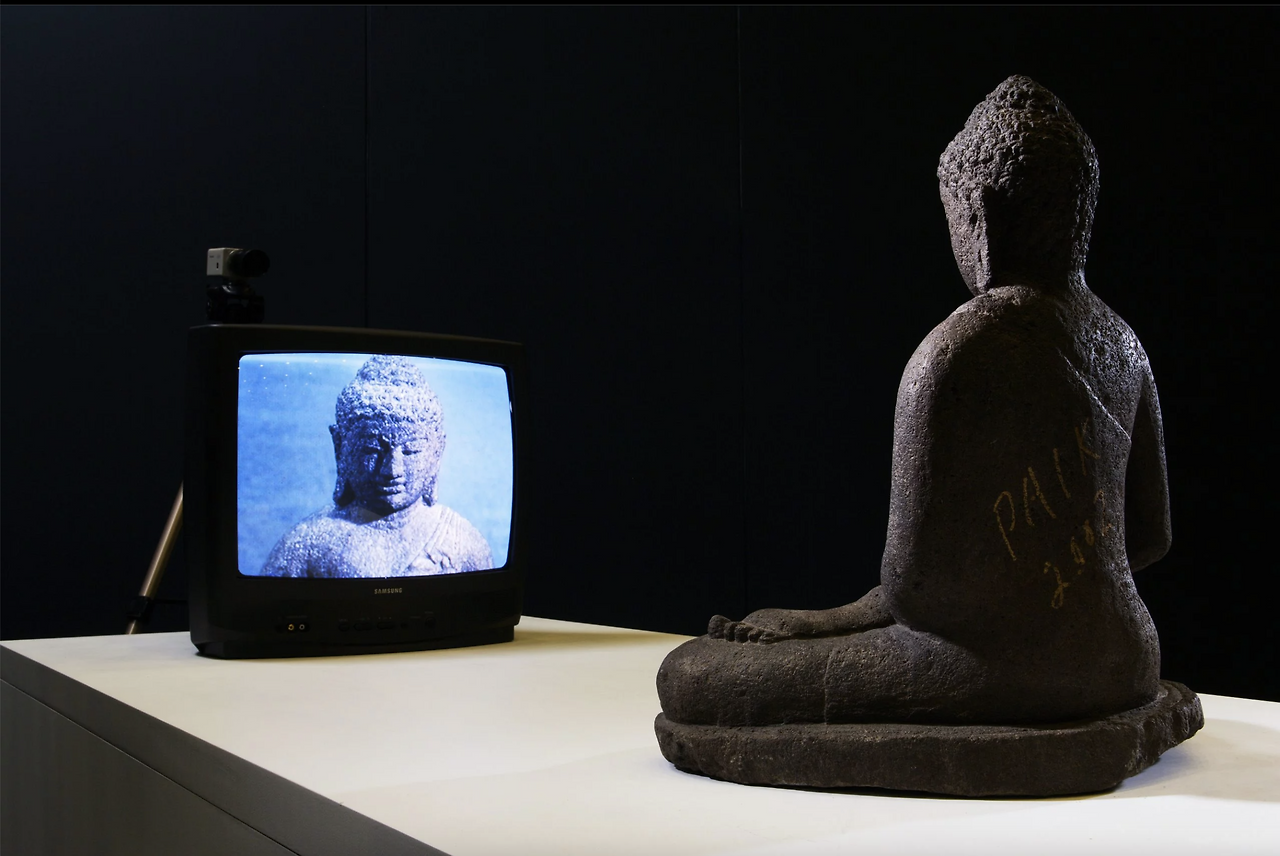
In the latter half of the 20th century, art expanded into a new genre known as Media Art through its integration with electronic technology, video and interactive systems. Nam June Paik, who can be regarded as the pioneer of media art, continued his experiments in visual art through the new medium of video in works such as
Media art utilises technology-based media—such as digital technology, interactive media and data visualisation—as artistic materials, thereby expanding the materiality, space and time of art and enabling future-oriented, transhuman and trans-sensory expression. It is a genre that leads the convergence of art, science and technology.
Sensitising the Entire Space — Installation Art
Finally, contemporary art extends beyond the traditional frameworks of paintings and sculptures into installation art, where the audience physically enters the work. Yayoi Kusama presented experiential installations that immerse the audience within her mental world, expanding it into a space of repetition and infinity through works such as the ‘Infinite Mirror Room’ and ‘Universe of Dots’. Ai Weiwei, in works such as ‘Sunflower Seeds’ and ‘Migrant Structures’, transformed the entire space into a message by using themes of censorship, human rights and collective memory, whilst Olafur Eliasson evoked environmental issues through experiential installations in his ‘Weather Project’ and ‘Glacier’ series.