Soaring Art Prices: A Power Struggle Between Two Conglomerates? – Peter Doig
A scene that shook the auction house
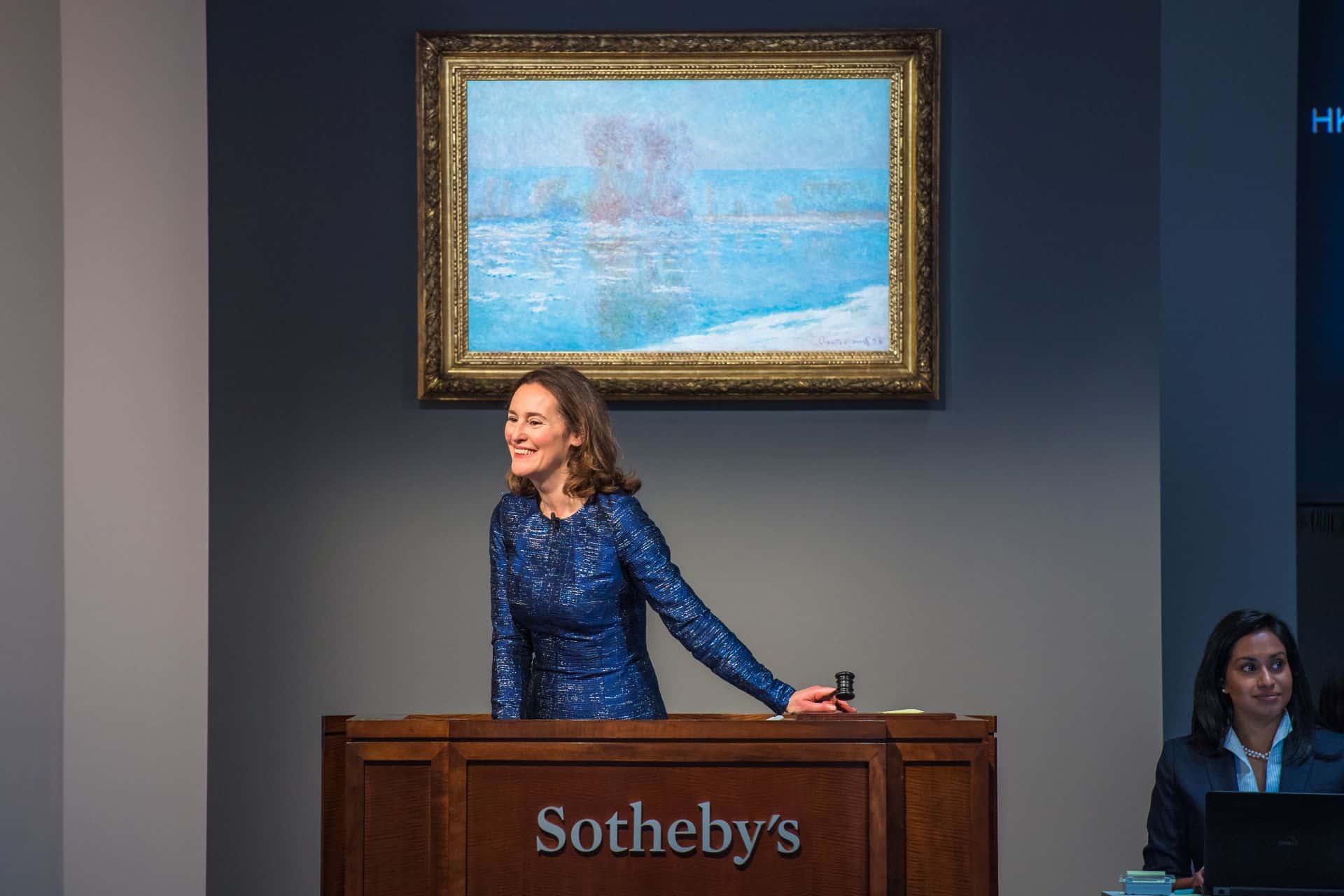
In 2007, a painting by a certain artist was sold at a Sotheby’s auction for approximately £5.7 million (around $11.3 million), setting a record at the time for the highest price ever paid for a work by a living European artist. This event sent shockwaves through the art world. What was surprising was that the winning bidder did not come from within the art world, but from a group of emerging collectors.
Many asked: “Why did prices suddenly skyrocket?” And one of the rumours circulating was that it was due to ‘competitive bidding by Russian tycoons’. Was this really the case?
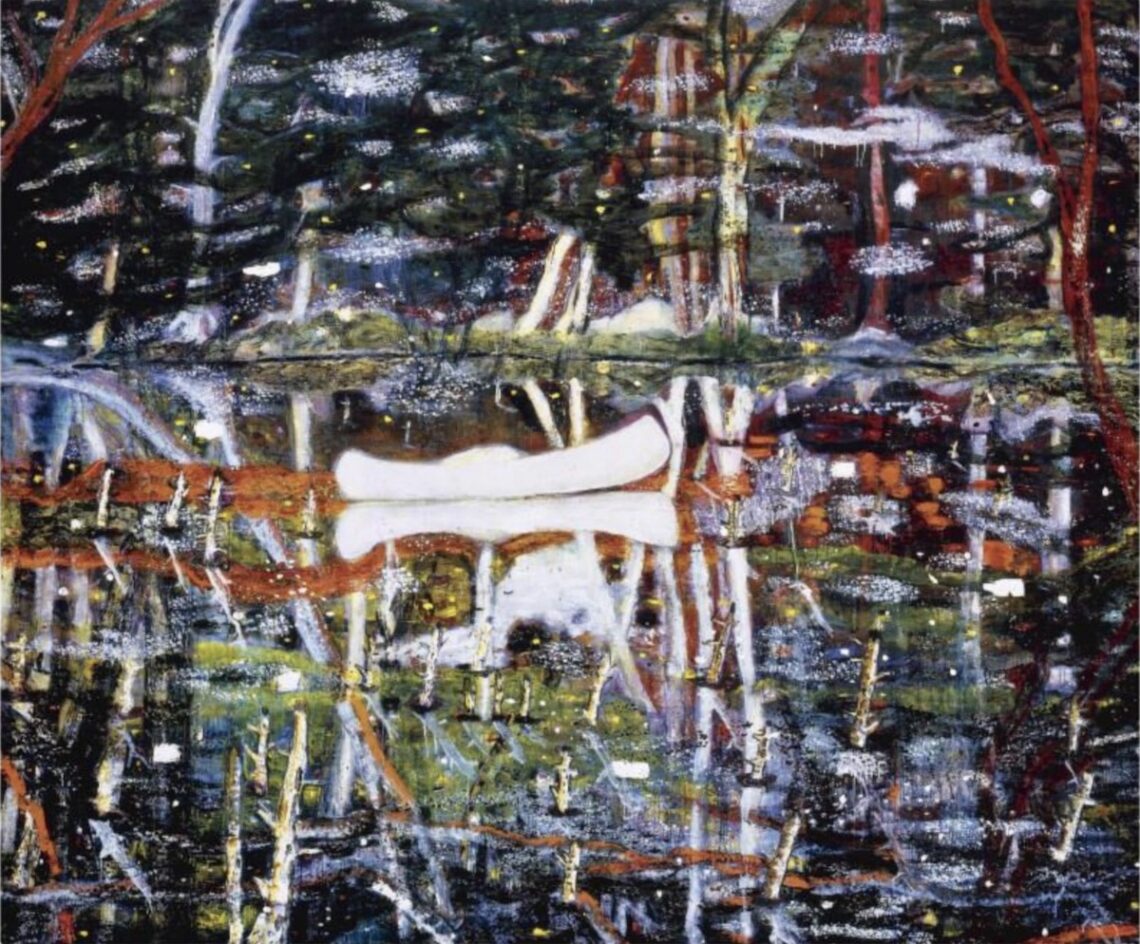
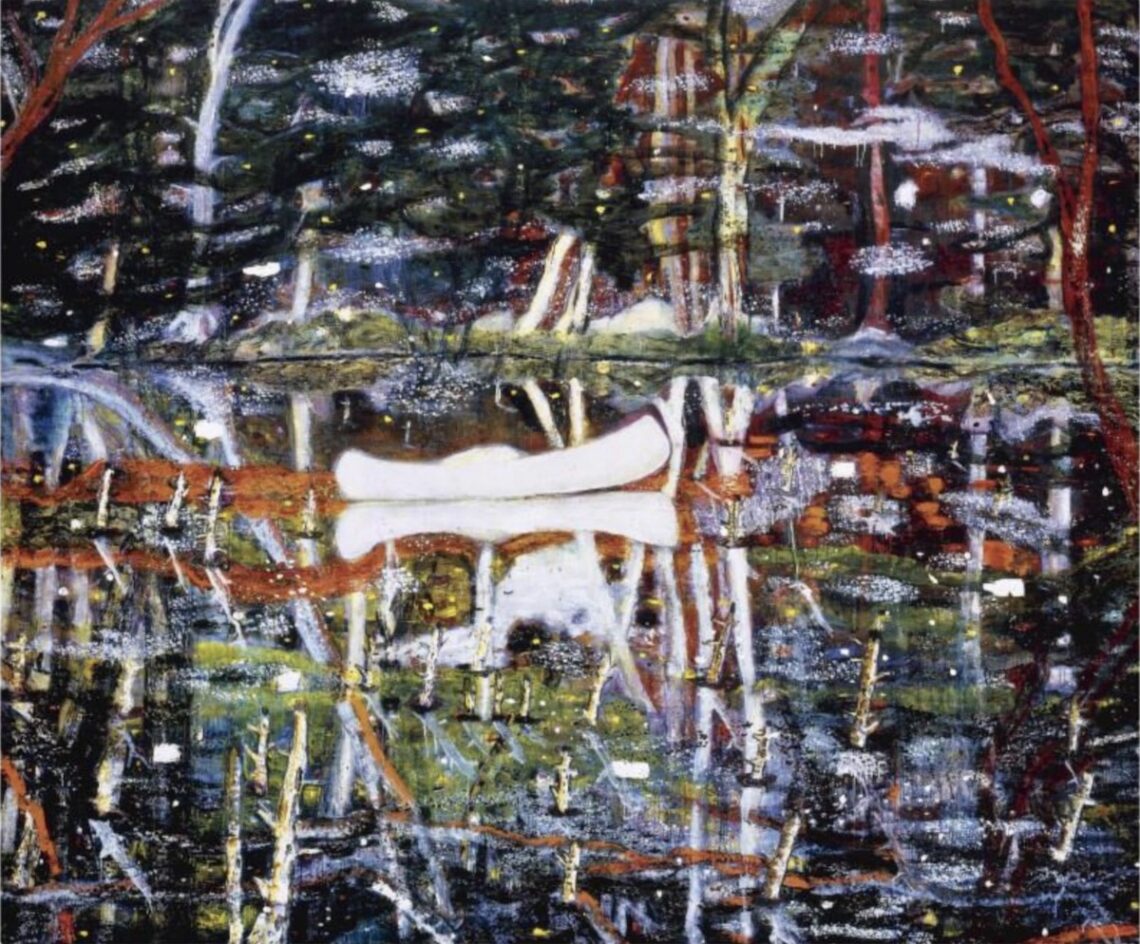
The centrepiece of this story is Peter Doig’s masterpiece, “White Canoe”.
Peter Doig was born in Edinburgh, Scotland, in 1959 and spent his childhood in Trinidad and Canada. These exotic landscapes and diverse cultural experiences instilled in him the motifs of water, forests and light that would later recur in his work. Having studied at Central Saint Martins and the Chelsea College of Art in London, he began to attract international attention in the 1990s as a leading figure in a new movement in British painting.

Landscapes that bridge dreams and reality
Doig’s works are often described as ‘dreamlike landscapes’. By interweaving photography, film and memory, he has created scenes that blur the boundaries between reality and fantasy. His representative work, *White Canoe* (1990–91), evokes a lyrical yet unsettling mood through the canoe on a tranquil lake and its reflection. Viewers engage with the work by projecting their own memories onto the landscape as they gaze upon it. Thanks to this painterly narrative, he is often compared to Edvard Munch and Paul Gauguin.
The spark just before the auction: two Russian billionaires?
Although Doig had been known among some art enthusiasts prior to this, his market value rose sharply from 2007 onwards. It was in 2007 that one of his paintings sold at a Sotheby’s auction for approximately £5.7 million (around $11.3 million), setting what was then the ‘record price for a living European artist’.
According to Artnet News, this price surge was no mere coincidence. “It was widely believed that this price was driven by a bidding war between two Russian oligarchs,” the publication reported. In other words, the auction house had become not merely a venue for art, but a stage for a power struggle between global tycoons, and Doig’s work had become the object of a ‘winner-takes-all’ contest in the midst of it.
In a subsequent interview, Doig expressed his regret regarding the incident, stating, “People would now talk more about the price of my work than the work itself.” In fact, the work was acquired by the renowned collector Charles Saatchi, and Doig himself did not receive any direct proceeds. Ironically, however, this auction cemented his name in the minds of collectors and art galleries worldwide.
Value Beyond the Bubble
The fact that Doig’s auction records are not merely a ‘bubble’ is confirmed by museum collections. His works are held in the collections of the Museum of Modern Art (MoMA) in New York, the Tate in London, and the Centre Pompidou in Paris. In other words, Doig is not merely a subject of high-value transactions but is firmly recognised by the art establishment as a significant artist in contemporary painting.
Since the 2000s, Doig has returned to Trinidad to continue his work. His recent works reflect Caribbean landscapes, displaying deeper colours and an inner narrative than in his earlier pieces. He has now established himself as a contemporary master who opens up new possibilities for landscape painting, transcending the status of a mere market star.