Museums of the World ⑨ A Cliffside Art Gallery Crafted by Light: ‘Tate St Ives’, UK
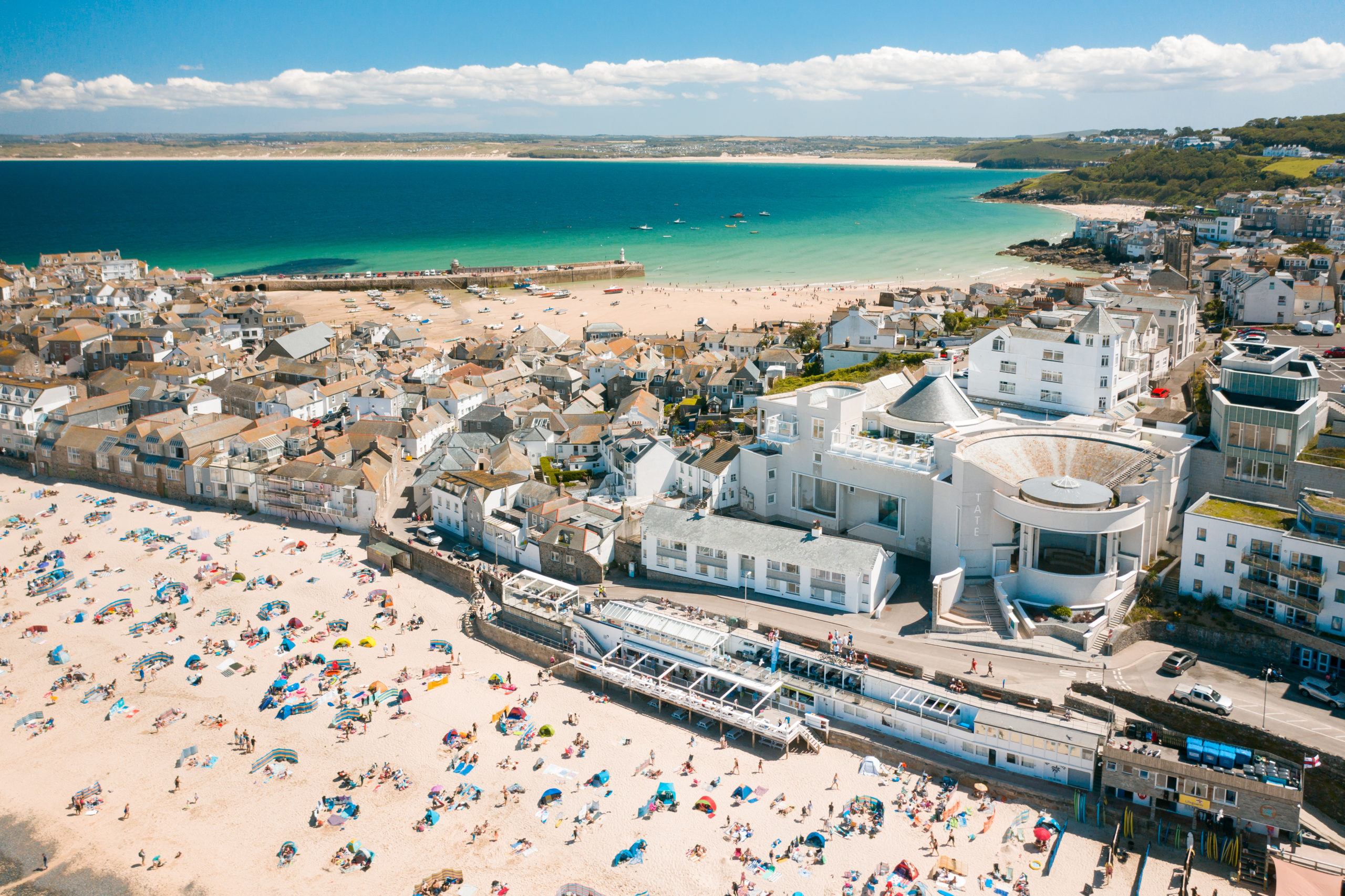
In St Ives, a small fishing village on the southern tip of Cornwall in the south-west of England, where emerald-green seas and white sandy beaches stretch out before you, stands Tate St Ives, a world-renowned centre for contemporary art.
Built on the site of a former gasworks, the museum preserves the natural topography of the coastal cliffs whilst showcasing the very essence of architectural aesthetics that harnesses the crystalline light of the Atlantic. Offering a tranquil yet dynamic artistic experience entirely distinct from that of London’s city-centre galleries, it is now revered as a ‘sanctuary of light’ by artists and travellers from around the world.
The Tate Foundation: The Flower of Art Cultivated from the Sugar Empire
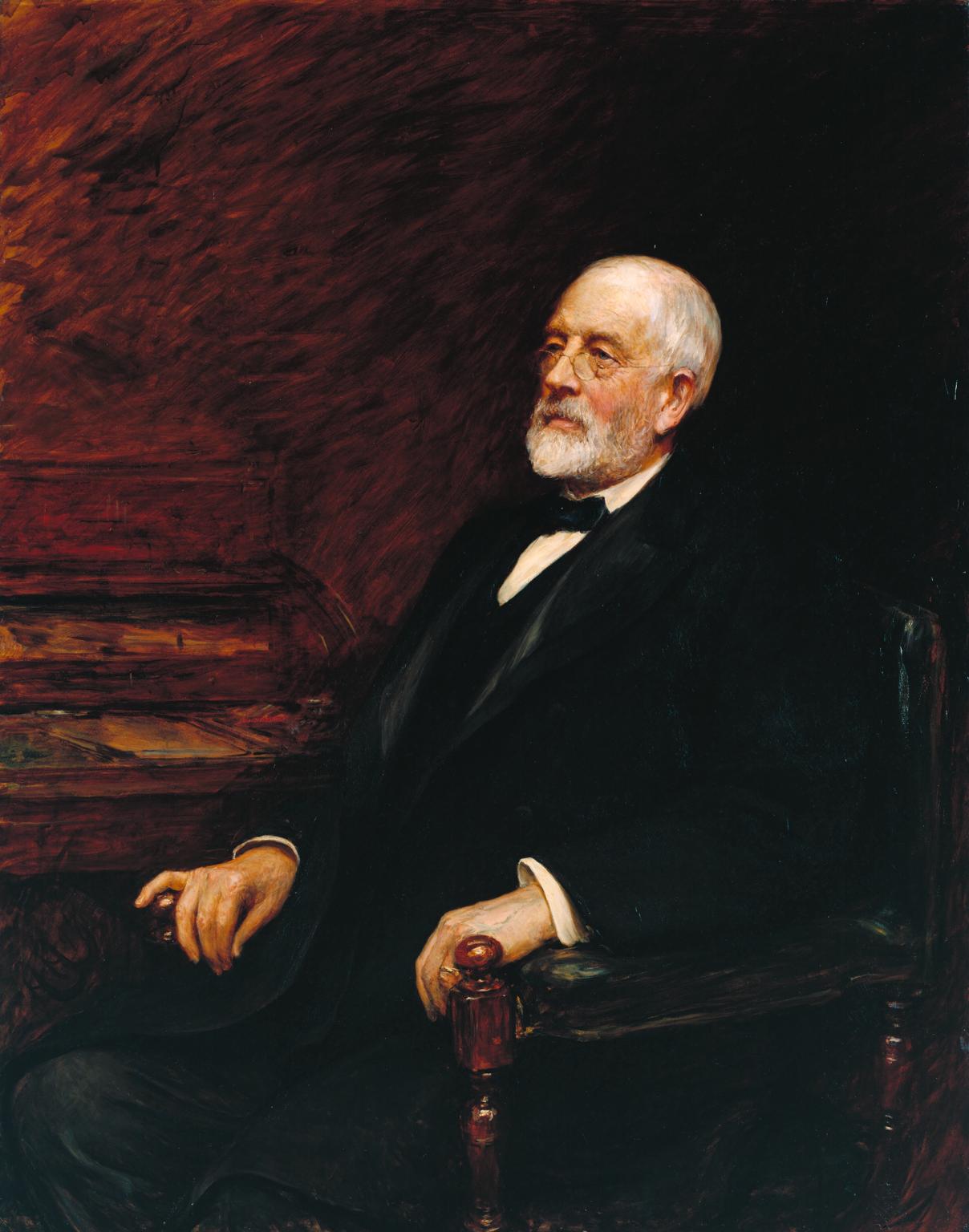
To understand Tate St Ives, it is necessary to trace the history of the Tate Foundation, from which it stems. The origins of the Tate lie in 19th-century Britain, stemming from the dedicated philanthropy of Sir Henry Tate, an entrepreneur who amassed a vast fortune through the sugar refining industry.
Henry Tate intended to donate his collection of modern British art to the nation, but his offer was declined due to a lack of space at the National Gallery at the time. Consequently, he donated 80,000 pounds from his own fortune and secured a site himself, establishing the ‘National Gallery of British Art’ (now Tate Britain) in 1897.
Since then, the Tate Foundation has carried on Henry Tate’s legacy, growing into a network that encompasses not only British art but also contemporary art from around the world.
Following Tate Modern and Tate Britain in London, and Tate Liverpool, Tate St Ives opened its doors in 1993 as the fourth branch. The Foundation is credited with successfully decentralising and popularising art through its branches, each of which reflects the historical character of its respective region.

A vast network of contemporary art
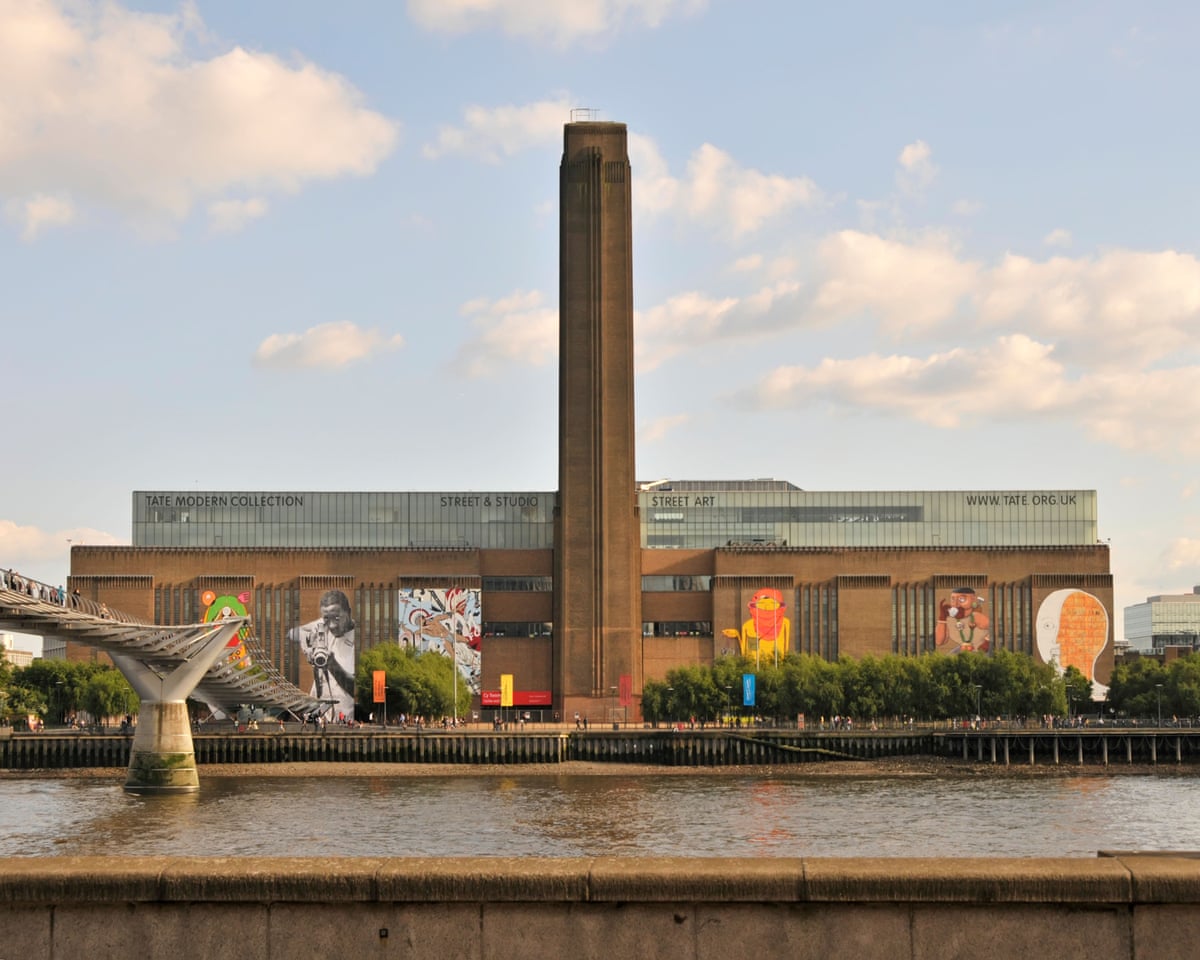
Tate St Ives is a sister museum sharing the same roots as Tate Modern, an icon of London. In 2000, the Tate Foundation opened Tate Modern by converting the Bankside Power Station, triggering the ‘Tate Effect’—bringing the centre of global contemporary art to London.
Whilst Tate Modern, with the sheer scale of its former power station, symbolises the dynamism and experimental nature of contemporary art, Tate St Ives embodies the ‘essence of contemplation and light’ in contrast to it. The two museums share the world’s largest collection of modern art, owned by the Tate Foundation, and works by the great masters exhibited at Tate Modern are sometimes moved to the Cornish coast, where they take on new meanings in natural light.
In particular, visitors who may have felt overwhelmed by contemporary art in the hustle and bustle of central London can enjoy the same high standard of curation from the Tate Foundation at Tate St Ives, whilst experiencing a far more intimate and contemplative blend of Atlantic seascapes and art. This lies at the heart of the Tate Foundation’s strategic vision to ‘expand artistic sensibilities across diverse environments’.
A branch in a coastal village
There is just one reason why Tate established a branch in this remote coastal village, away from London: St Ives is where one of the most significant artistic communities in the history of modern art took shape from the early 20th century onwards. Barbara Hepworth, Ben Nicholson and Patrick Heron, who had fled south to escape the ravages of the Second World War, were captivated by the unique light and landscape of this place and formed the ‘St Ives School’.
By interpreting the curves of the coastline and the colours of the sea in an abstract manner, they ushered in the golden age of British modern art. The Tate Foundation established the gallery based on the symbolic significance of returning these artists’ works to the ‘home of light’ they loved so dearly.
As a result, Tate St Ives has become not merely an exhibition space, but a place imbued with the spirit of local artists and a testament to their artistic genius.
A circular vessel embracing the sea
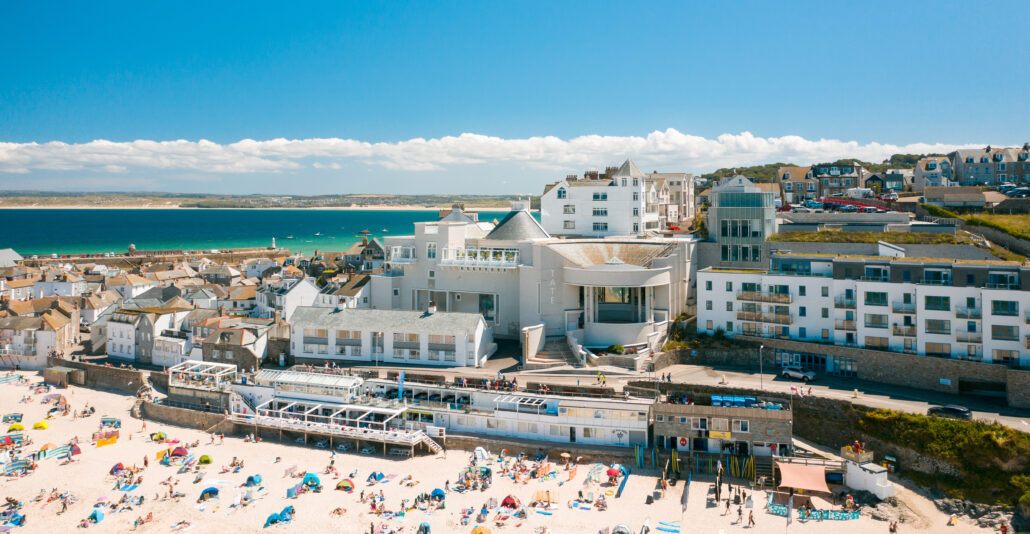
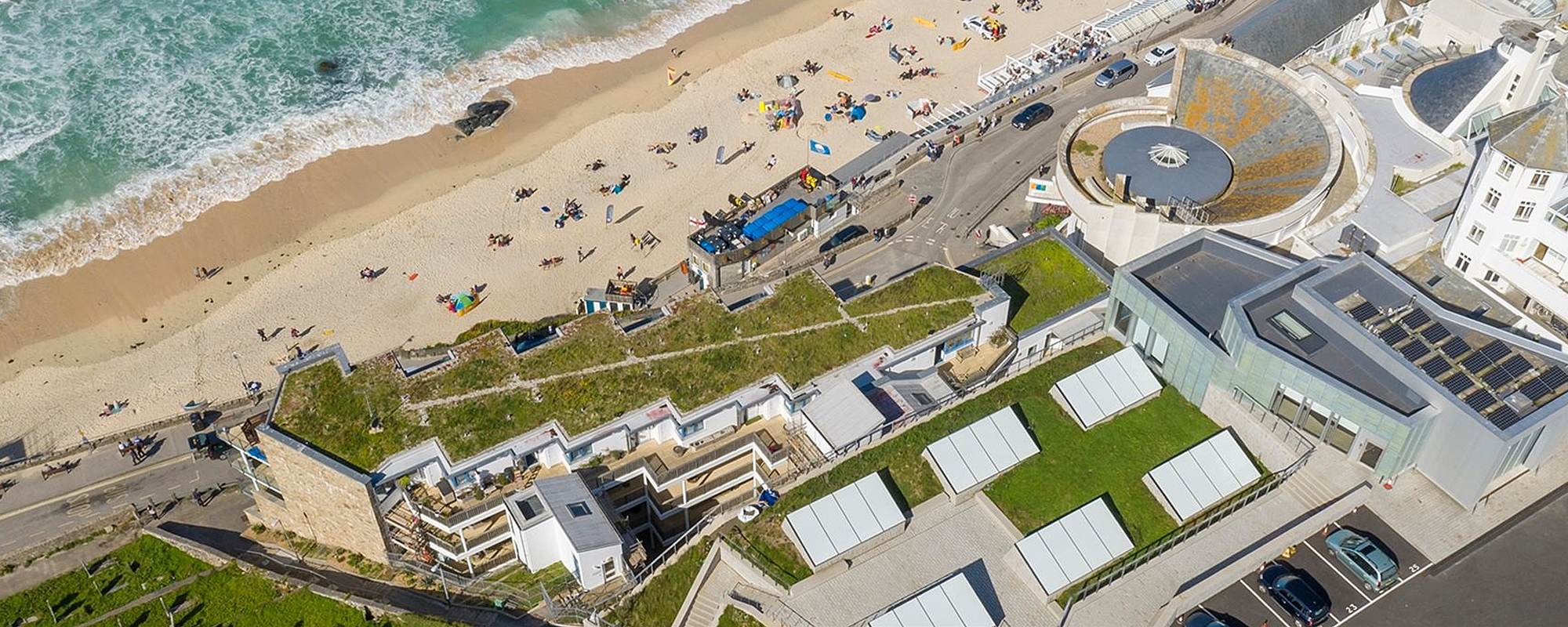
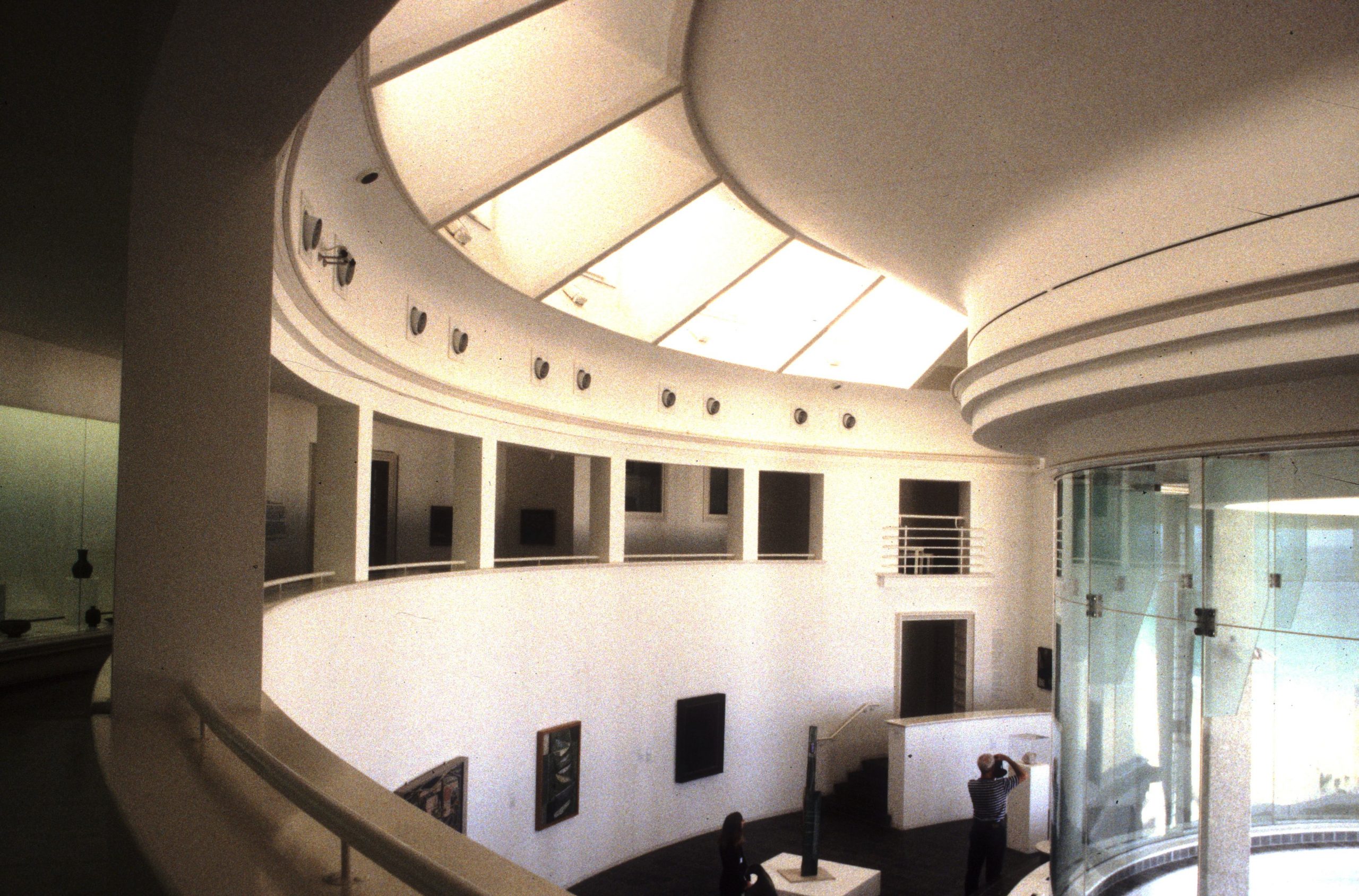
Designed by architects Eldred Evans and David Shalev, the building is characterised by a semi-circular structure that opens out towards the sea. The vast circular hall at the front of the building not only echoes the form of the gas storage facility that once stood here but also acts as a prism, evenly diffusing the light pouring in from the Atlantic Ocean throughout the gallery.
The building is arranged in terraces following the slope of the coastal cliffs, allowing visitors to witness the movement of the waves and the shifting horizon through the windows as they move between exhibition rooms.
[Travel Info]
- Location: Porthmeor Beach, Saint Ives TR26 1TG, UK
- Architecture: Eldred Evans & David Shalif (1993), Jamie Pobert (2017 extension)
- Operated by: Tate Foundation
- Tip: After visiting the gallery, we recommend a visit to the nearby ‘Barbara Hepworth Museum & Sculpture Garden’. Here, in the very space where the artist lived and worked, you can gain a deeper understanding of her artistic world.