The YBA: How They Transformed the Value of Contemporary Art ① – From Damien Hirst to Charles Saatchi
An Artistic Revolution That Began in an Abandoned Warehouse
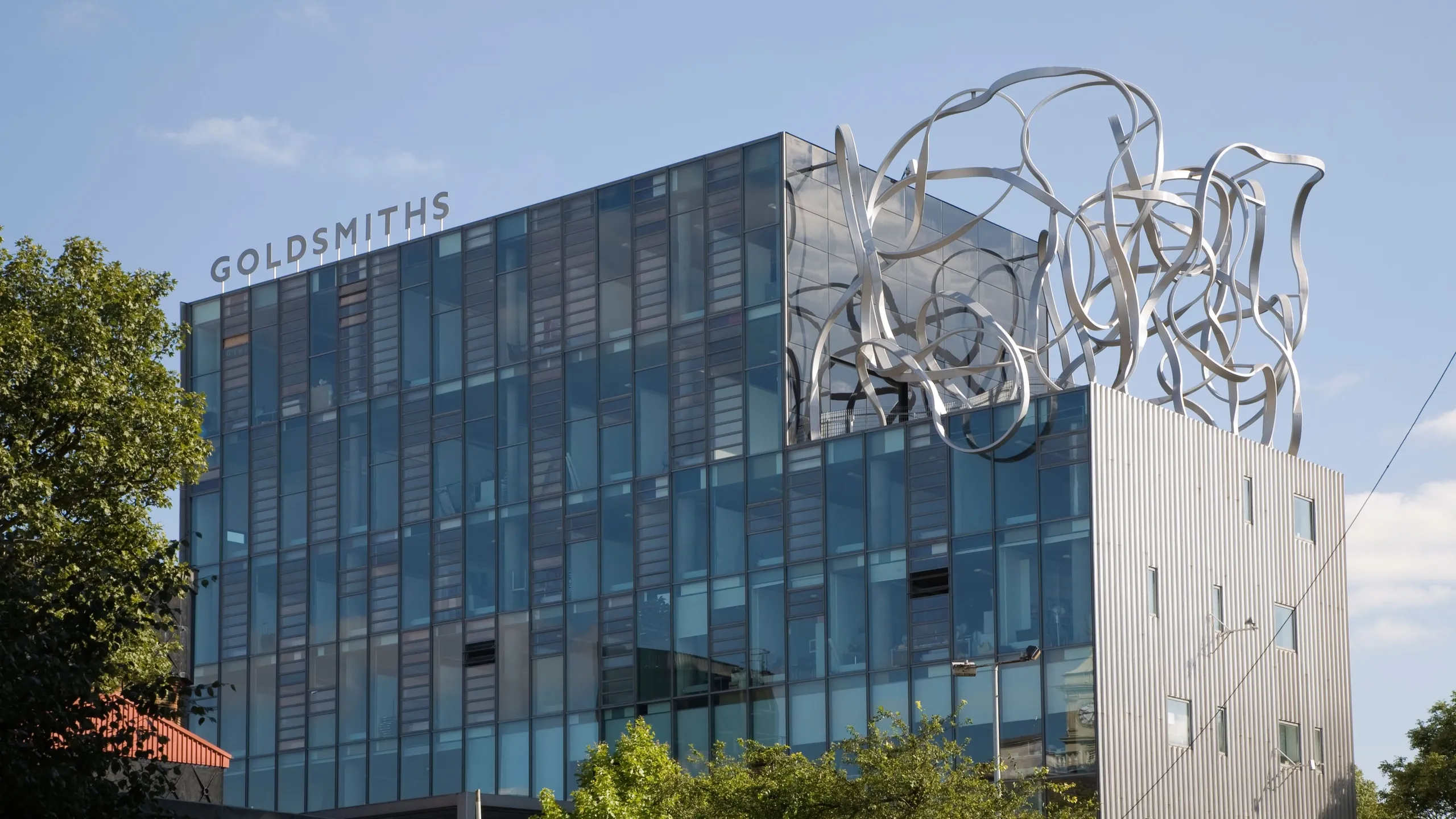
London in the late 1980s was as stagnant as the fog. In an era dominated by traditional painting and a conservative gallery system, students at Goldsmiths College were struggling with boredom.
At the heart of it all was Damien Hirst. Refusing to be absorbed into the system, he resolved to create his own.
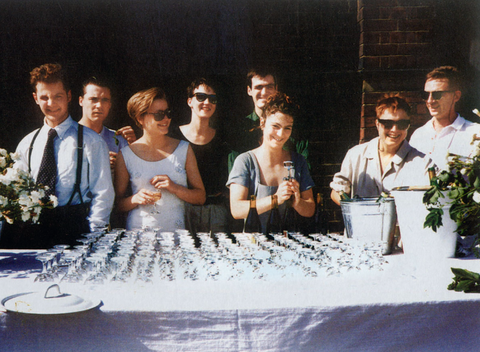
July 1988: The legendary ‘Freeze’ in London’s Docklands
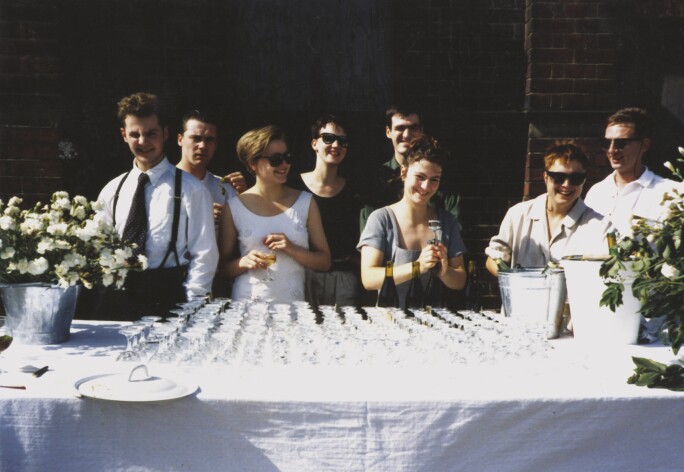
Hirst gathered 15 fellow students and rented an abandoned warehouse in London’s docks. At the time, London’s East End was not the trendy area it is today, but a desolate district rife with poverty and crime. The students cleared the rubbish from the warehouse themselves and painted it white.
This
The emergence of Charles Saatchi, the man with the Midas touch
The figure who captured this rebellion most keenly was none other than Charles Saatchi. As the founder of the legendary advertising agency ‘Saatchi & Saatchi’, he possessed a genius for channelling the public’s desires. Although he had been deeply immersed in American minimalist art of the 1980s, he discovered a ‘raw, unadulterated energy’ at Hirst’s warehouse exhibition and made a complete U-turn in his collecting direction.
- Applying advertising techniques to art: Saatchi viewed art not as a noble intellectual product, but as a powerful ‘brand’. He believed that a work of art had to overwhelm the viewer within just three seconds.
- Unwavering support and exclusivity: Sachi bought up entire collections of works by promising YBA artists. He was not merely a buyer, but rather a ‘producer’ who funded the artists’ production costs and commissioned major works. Damien Hirst’s shark installation was also made possible by a £50,000 grant from Saatchi (a substantial sum at the time).
- Creating the market: Saatchi exhibited their works at his private art gallery, the ‘Saatchi Gallery’, thereby stirring up the press. As sensational headlines poured in, the value of the works soared, and Saatchi dominated the market at its peak.
The union of Saatchi and the YBAs established a new business model for contemporary art, blending art, capital and marketing into a single entity. They were no longer starving artists. They behaved like rock stars and were consumed like luxury brands.