A Forbidden Union: The Brilliant Dissonance of Basquiat and Andy Warhol
In 1980s New York, Jean-Michel Basquiat, the ‘enfant terrible’ embodying the raw energy of the streets, met Andy Warhol, the undisputed king of Pop Art.
Their encounter was not only one of the most groundbreaking collaborations in the history of modern art, but also the prelude to the downfall of a young genius. We take a look at the brief glory shared by these two icons and the chilling truth hidden behind it.
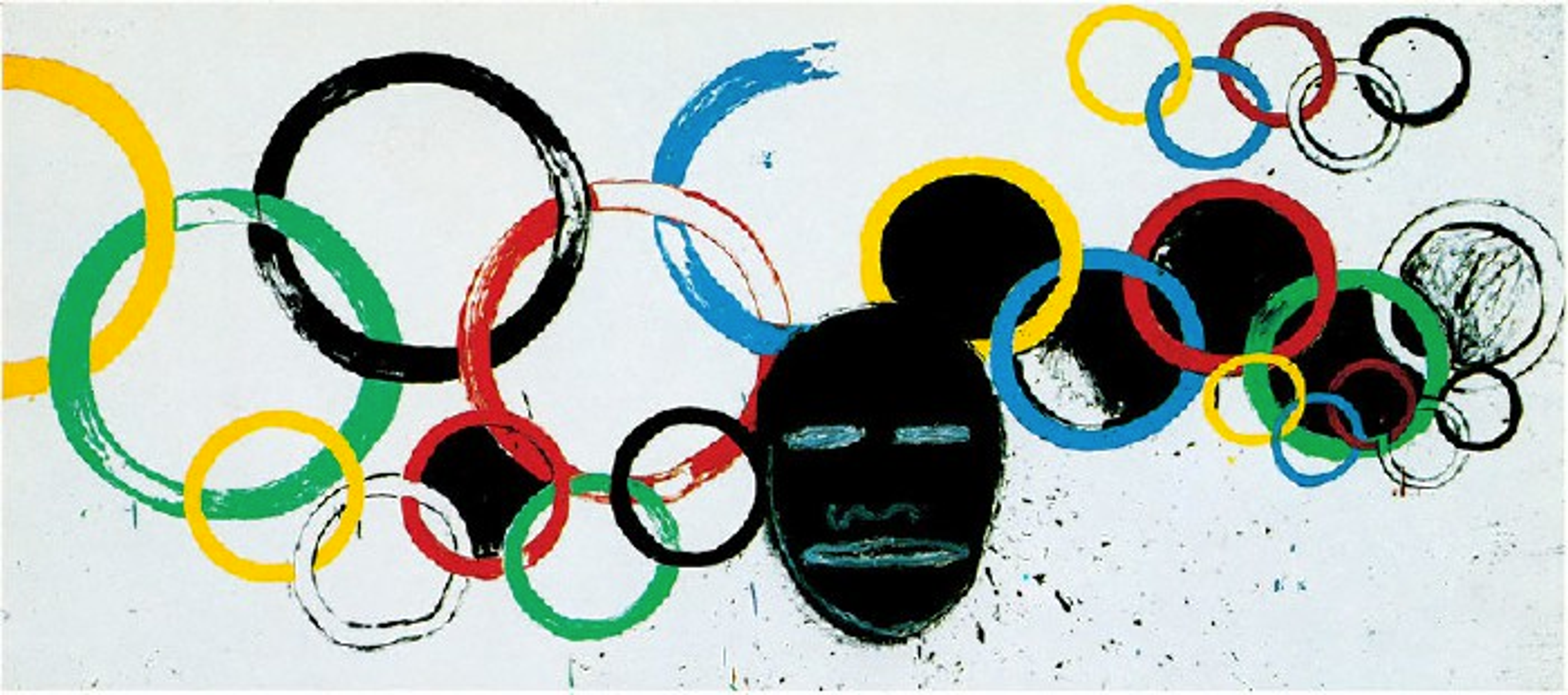
A boy wearing a crown and a silver-haired pope
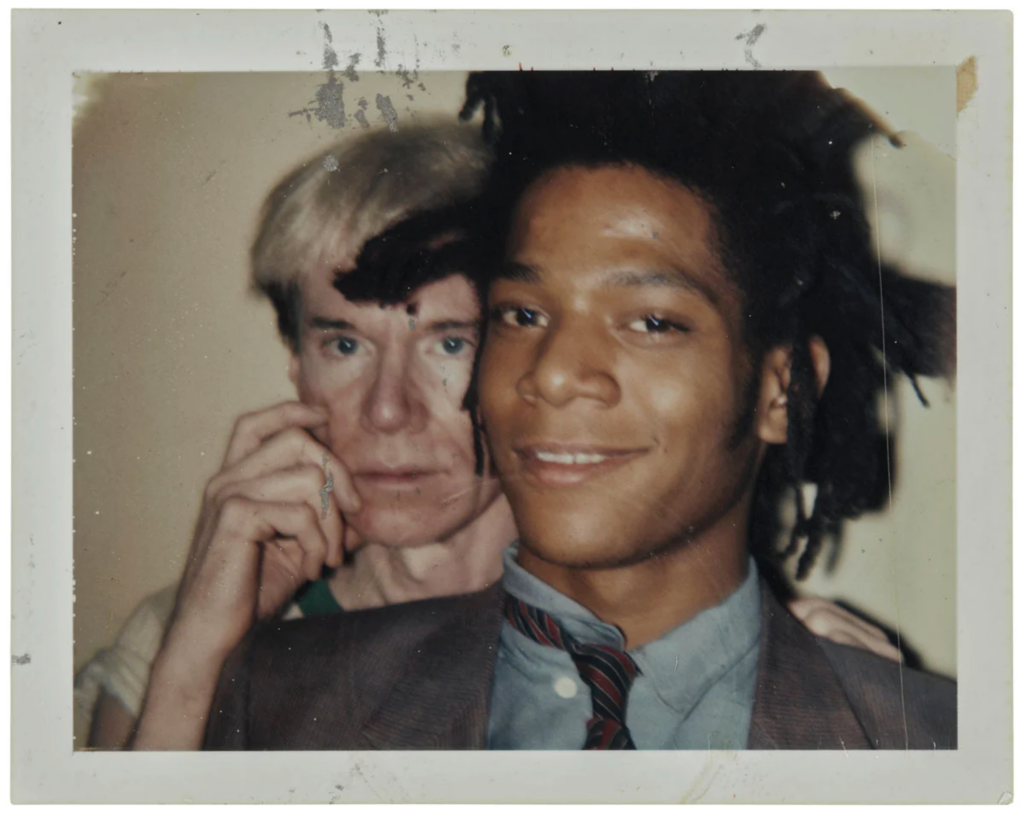
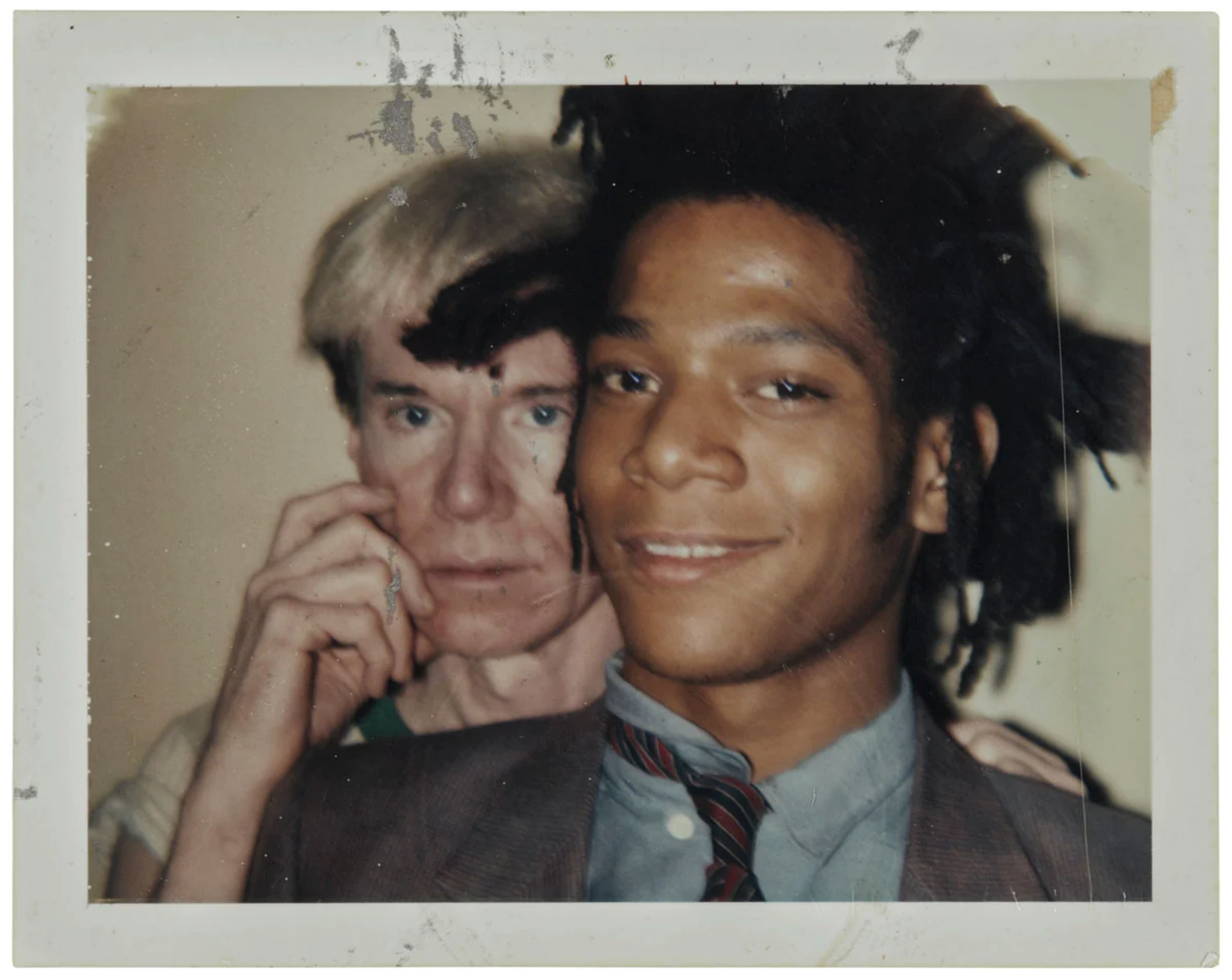
Their meeting in 1982, arranged by the Swiss dealer Bruno Bischofberger, was intense from the very start. Warhol was captivated by Basquiat’s unbridled brushwork, whilst Basquiat stepped into the world of Warhol, the idol he had long admired. The spirited young Black man in his early twenties and the seasoned white master in his fifties appeared to be perfect partners, each filling the other’s gaps.
Despite both being stars of the art world, there was no rivalry between Warhol and Basquiat; rather, as curator Anna Karina Hofbauer put it, “it was a close collaboration and friendship based on mutual respect.” Warhol laid down a refined, commercial backdrop using silkscreen, upon which Basquiat poured out instinctive drawings and scribbled text. It was an unprecedented artistic spark born of the collision between the pinnacle of capitalism and the realism of the streets.

Friendship on Canvas
Basquiat and Warhol collaborated almost daily, fuelled by passion and intimacy. The energy born of their constant exchange serves as the driving force behind this exhibition, and is fully reflected in works such as
Basquiat respected Warhol as a mentor, a central figure in the art world, a pioneer of a new language, and someone who had forged a groundbreaking relationship with pop culture. Warhol, too, gained a new interest in painting through Basquiat. Thanks to Basquiat, Warhol even began creating large-scale, hand-painted works once again.
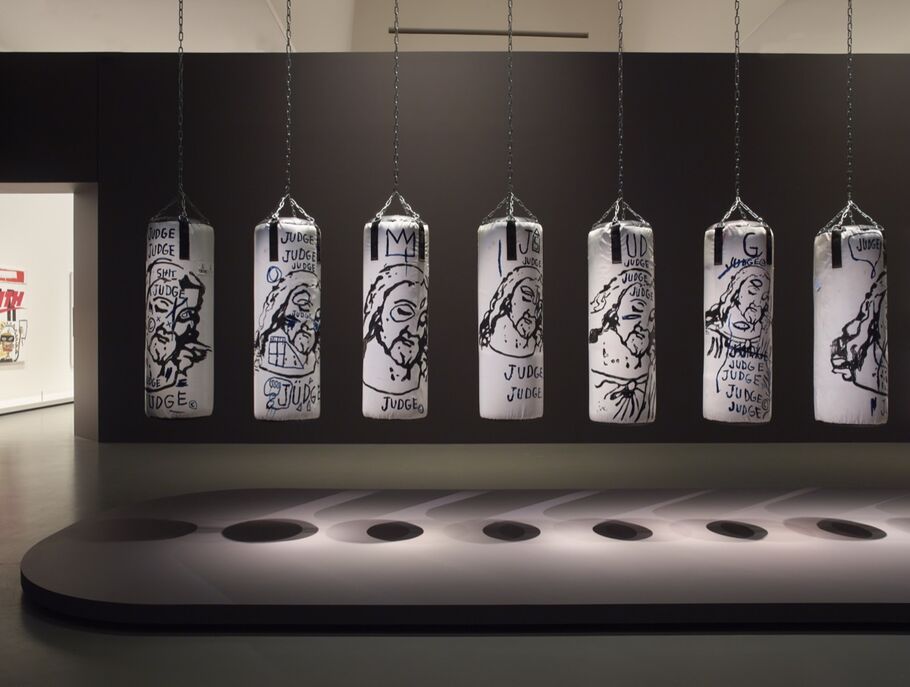
Two worlds distanced from critical vitriol
In 1985, the collaborative exhibition held at Tony Shafrazi Gallery in New York faced unexpectedly harsh criticism. Critics hurled cruel taunts at Basquiat, claiming he had “become Warhol’s mascot”, whilst accusing Warhol of being a “vampire trying to prolong his life by feeding on young blood”.
The most scathing of these critics was the famous American writer Ishmael Reed. His fantastical and satirical play *The Slave Who Loved Caviar* depicts an ageing white vampire artist who drains the talent of his young black collaborator in order to prolong his own career.
Basquiat, who had a strong sense of self-worth, was deeply hurt by this criticism. He became consumed by doubts that Warhol had exploited him, and their relationship cooled rapidly. The camaraderie that had once seen them speak on the phone daily turned to an icy silence.
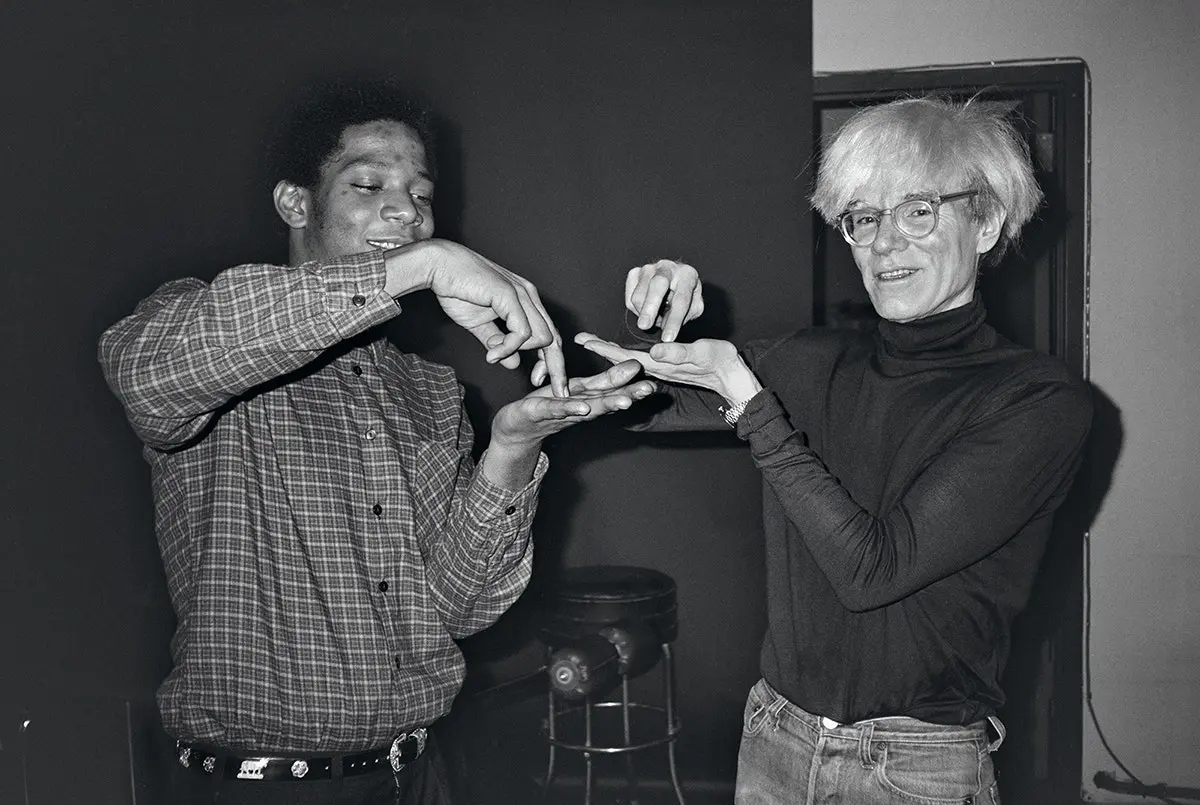
A friendship torn apart by death
When Andy Warhol passed away in 1987 at the age of 58 from cardiac arrhythmia, Basquiat was overcome by an unbearable sense of loss. The absence of this father-figure, and mentor whom he had come to resent, pushed him deeper into the quagmire of heroin addiction. Ultimately, in 1988—just one year after Warhol’s passing—Basquiat also ended his short life at the age of 27 due to a heroin overdose.
Although their collaboration was dismissed as a failure at the time, it has since become a legend commanding prices of tens of billions of won at auction today. Is this friendship, unbound by age or fame, not the true measure of artistic value?