The Colour of Death: Scheele’s Green
Why do Western witches have green faces?
Elphaba’s green face in the musical *Wicked* is not merely a staging choice. It is unlikely to be the result of a mistake in choosing the right shade in the make-up room.
This is because, in the West, green has long been perceived as ‘a slightly strange and, somehow, dangerous colour’. It is a contradictory colour: whilst resembling the greenness of nature, it is also tinged with jealousy, decay, strangeness and the scent of death. And underlying all this is one crucial fact.
Green… was, in fact, a colour that once summoned death. Let us now trace the history of this beautiful yet deadly colour.

A Vivid Green Unseen Before
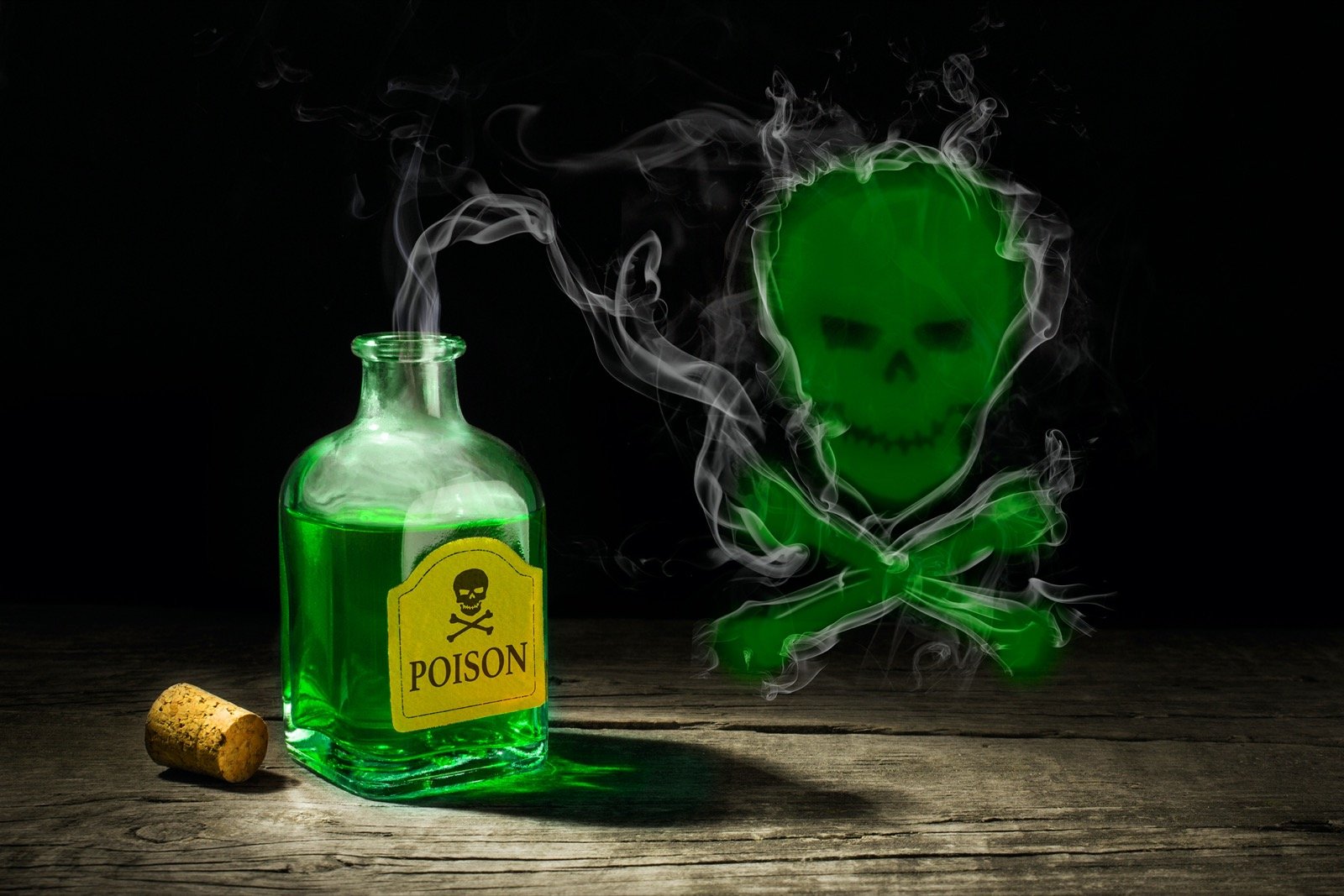
In the 18th century, the Swedish chemist Carl Wilhelm Scheele created the perfect green that humanity had long dreamed of. It was known as Scheele’s Green. It was a greener shade than anything found in nature, but the problem was that it was made from a compound of copper and arsenic. People, captivated by this radiant colour, paid no heed to the potential consequences of its composition.
Whilst pure arsenic is non-toxic, arsenic combined with oxygen is extremely toxic. In fact, it is safe to say that all arsenic compounds found in nature are toxic.
Green became a poison that truly took hold across Europe, and its dazzling colour slowly seeped into people’s bodies.

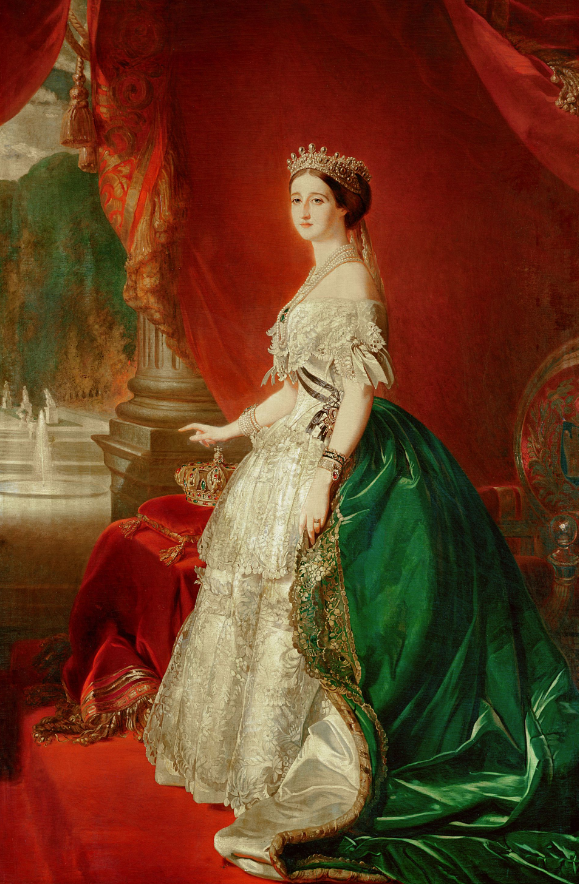
It is said that one evening in Paris, at the Opéra, Empress Eugénie, wife of Napoleon III, wore a breathtakingly beautiful dress that made the headlines the following morning. The dress was a dazzlingly deep green—a shade of Scheele’s Green so vivid that it retained its colour even under gaslight.
From then on, women in high society were all enamoured with emerald-coloured dresses. However, according to contemporary accounts, women wearing green dresses began to complain of coughing and vomiting from the very next day after the ball.
The Silent Killer
Even more notorious than the green dresses was the green wallpaper. In Victorian Britain, almost every middle-class household chose green wallpaper to create a ‘stylish, modern interior’.
However, the arsenic pigment in the wallpaper reacted with damp and mould to release arsenic gas (arsine gas). This gas, which was neither visible nor odourless, was lethal, leading to chronic poisoning, respiratory diseases and deaths, particularly amongst children and domestic servants. By 1830, annual wallpaper production in Britain had risen to one million rolls, and by 1870, it had increased to 30 million rolls. Subsequent tests revealed that four out of every five rolls of wallpaper contained arsenic.

The renowned German chemist Leopold Gmelin (1788–1853) had suspected since early 1815 that wallpaper could pollute the air. He discovered that when the wallpaper was slightly damp, it gave off a smell reminiscent of rats. Gmelin warned people to remove the wallpaper from their rooms and called for a ban on the use of Scheele’s green, but people still loved this colour. This was because nobody knew—or perhaps nobody wanted to know.
As a result, 180 years ago, European living rooms were akin to ‘green gas chambers’.

A colour where life and death intertwine
Today, we perceive green as the colour of nature, safety and eco-friendliness. Yet behind this lies the history of a hidden poison that once shook European society, and, strangely enough, the psychological memories of even older notions of witchcraft, jealousy and anxiety.
Green is not merely a colour. It is a colour in which life and death coexist, a contradictory colour in which desire and fear are intertwined. And it is precisely this contradiction that makes green the most captivating of colours.