The Body as a Canvas: ORLAN – Plastic Surgery Performance
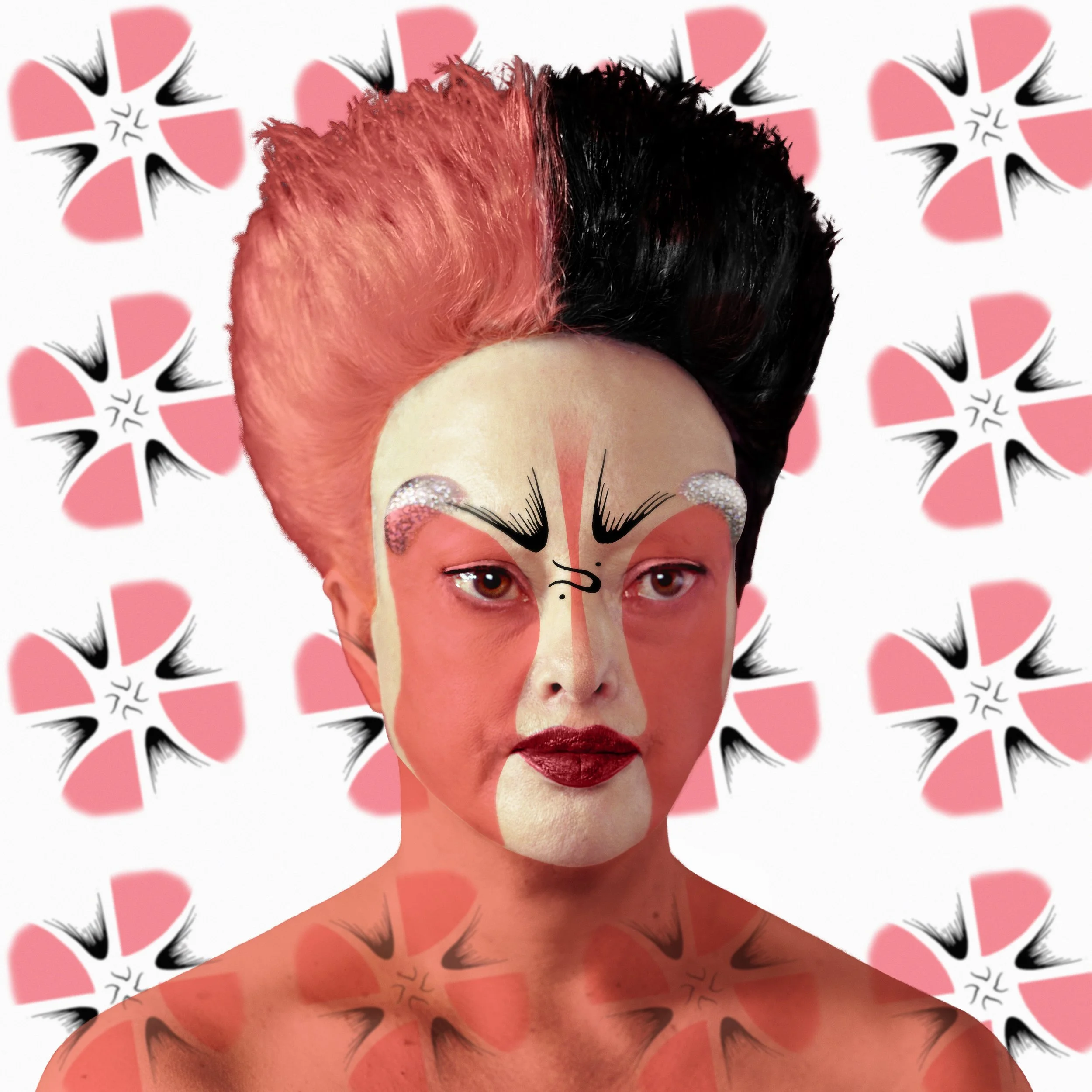
Whilst the art and fashion worlds are obsessed with fixed aesthetic standards such as perfect symmetry and youth, there is an artist who has defied these established norms by reshaping her own body.
She is ORLAN, the French performance art maestro. Moving beyond the realm of ‘Body Art’, she has ushered in an era of ‘Carnal Art’, in which she modifies and reconfigures her own body.

Cosmetic Surgery Becomes Art
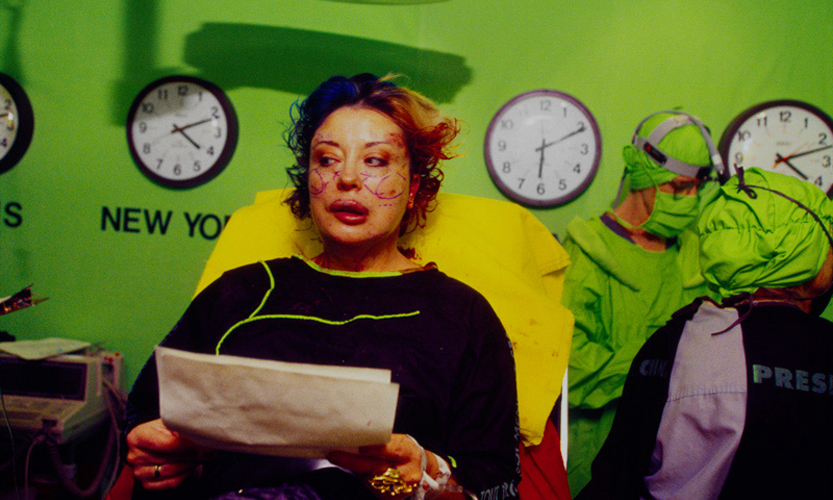
In the early 1990s, ORLAN shocked the world with her series of projects entitled ‘The Rebirth of Saint ORLAN’. She underwent a total of nine cosmetic surgeries, transforming this process into a ‘public performance’ rather than a mere medical procedure.
The operating theatre was transformed into a venue for the arts, filled with flamboyant stage costumes, music and poetry recitals. Under local anaesthesia and whilst fully conscious, she had the surgical procedures broadcast via satellite whilst conversing with the audience.
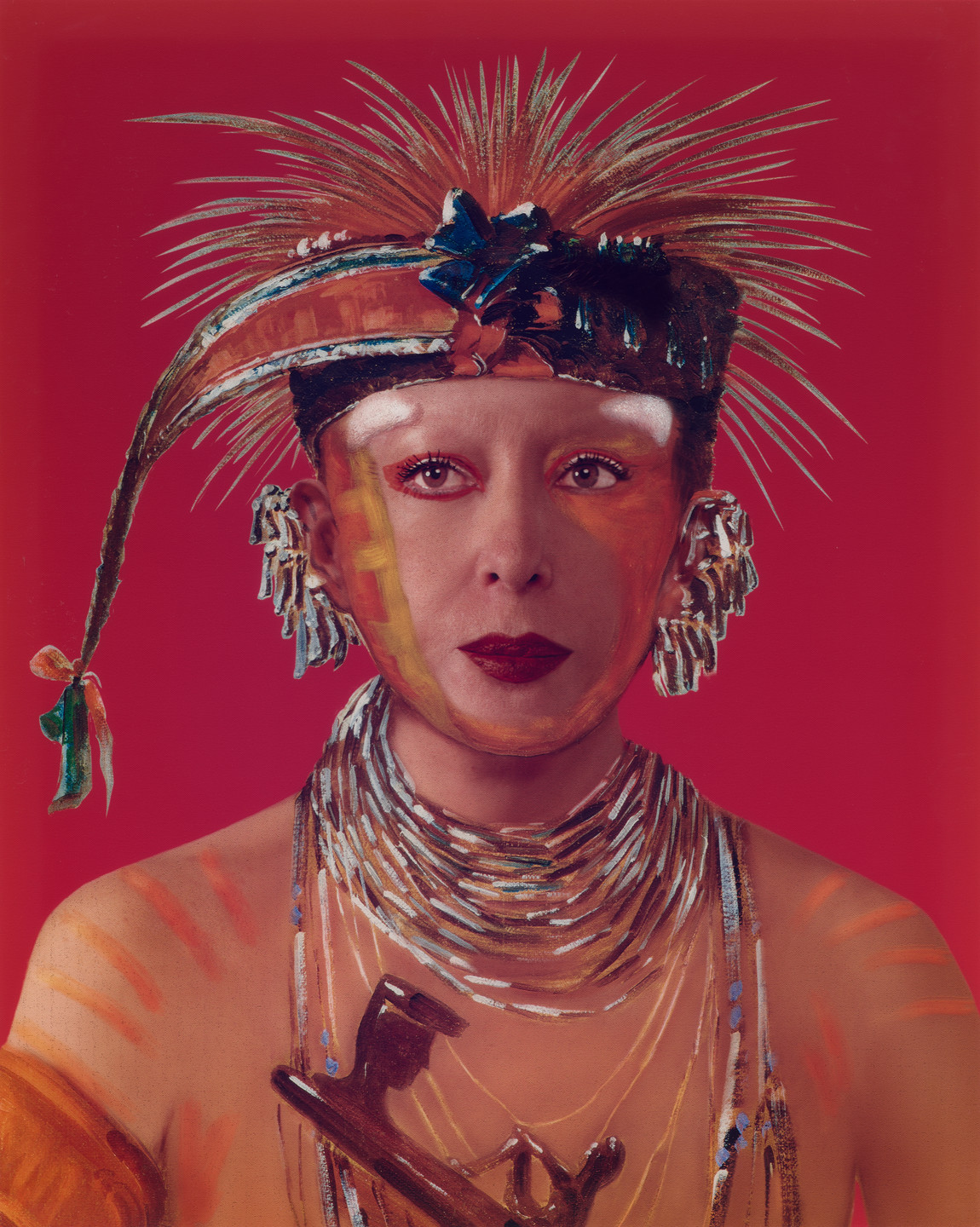
She designed her surgeries to make her face resemble specific features of women depicted in masterpieces by Renaissance artists (such as Venus and the Mona Lisa).
However, this was not ‘for the sake of beauty’. By forcibly grafting the aesthetic archetype of womanhood—imposed by Western art history—onto her own face, she sought to expose the artificiality and violence inherent in those standards.

The ‘horns’ on her forehead and non-conventional aesthetics
Among Orlan’s works, the image that delivered a powerful visual shock to the public was the two protrusions rising from either side of her forehead—the ‘horns’. These go beyond mere provocation to embody a profound symbolism.
She underwent surgery to insert silicone implants—originally designed to augment the volume of the cheekbones—at either end of her forehead. Through this, she moved beyond the typical human facial structure to create an alien-like, organic appearance—or an otherworldly form reminiscent of a mysterious mythical being.
This directly challenges the rigid framework of the ‘normal face’ and ‘standard beauty’ defined by society and reproduced by the media, proving that the grotesque, too, can attain artistic sublimity.

For Orlan, the body is not a fateful prison bestowed at birth. Declaring that ‘my body is my software’, she redefined it as a malleable medium through which individuals can freely design and upgrade their physical form to express their identity. This philosophy aligns with contemporary transhumanist discourse, which seeks to overcome physical limitations through technology, and is regarded as having proactively presented a new vision of humanity for the post-human era.
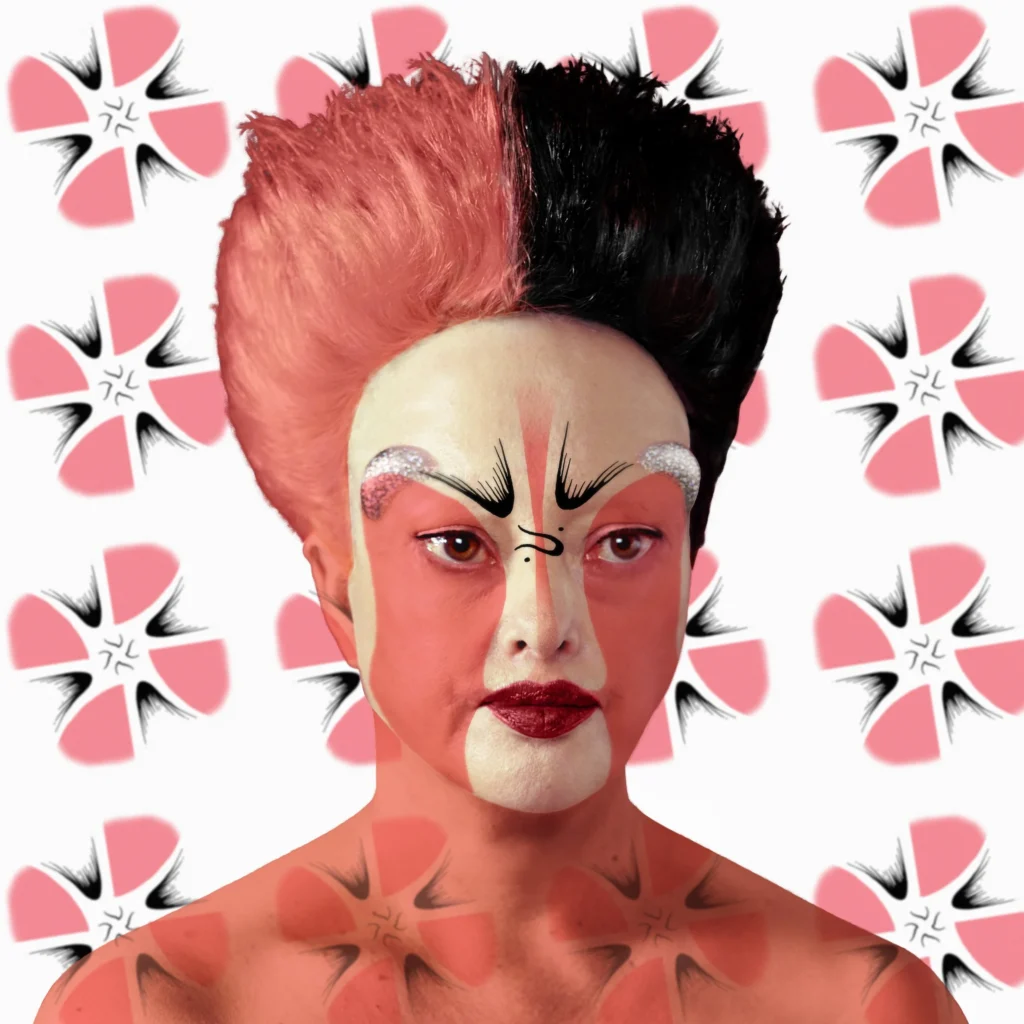
Epilogue: Freedom Beyond Pain
Whilst many associate her work with ‘pain’, Orlan enjoys an intellectual pastime whilst feeling no pain during surgery. For her, art is a sacred ritual that transcends the limits of the body to proclaim the freedom of the spirit.
Orlan asks us:
“Are you the true master of your own body and identity?”