Invisible Power – The 'Collector', Ruler of the Art Market
Who holds the most power in the art market? The artist? The gallery? Or the auctioneer? No.
The true rulers are the collectors.
They are not mere art enthusiasts. They are the absolute powers that be: the ones who determine an artist’s fate, select those whose names will be etched into art history, and manipulate art prices to generate enormous profits. It is not artistic genius that shapes the direction of today’s art world, but the cold calculations and investments of collectors.

Collectors create the ‘god’ of art
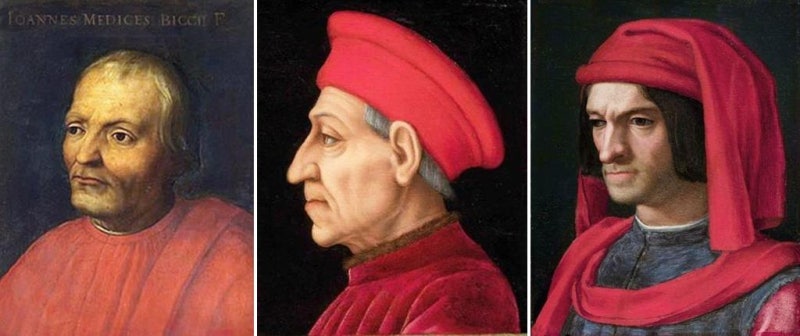
Throughout art history, collectors have always wielded absolute power.
Without the Medici family, Michelangelo and Leonardo da Vinci would have been nothing more than mere craftsmen.
Without Peggy Guggenheim, Jackson Pollock would have faded into obscurity as a poor, unknown artist.
Without the Qatari royal family, the works of Picasso, Rothko and Cézanne would not command the astronomical values they do today.
Indeed. A collector is not merely a buyer, but a figure who shapes the art scene. The artists they choose survive, whilst those they do not fade into obscurity.
The game of price manipulation created by collectors
The power of collectors lies not merely in collecting works. They are the invisible hand that manipulates and controls the art market. Josh Baer, a critic who has been active in the US for over a decade, states: “Because auction houses do not disclose all their data, the illusion behind the artworks is what sells, and this is how the art market has come to possess its current economic value.”
Auction Manipulation – By repeatedly securing works by specific artists at high prices, they manipulate market values. If one work sells for 10 billion won, other works by the same artist follow suit. They then resell them at the right moment to reap enormous profits.
Secret Networks – Collectors, galleries and auction houses are intertwined through invisible connections. Artists promoted by collectors are invited to exhibit in galleries, acquired by museums and ultimately recorded in art history. All of this unfolds within a single, sophisticated ‘design’.
Creating Trends – When NFT art first emerged, many people claimed, ‘This isn’t art.’ However, as collectors flocked to the scene, a market was formed almost overnight. Today, it is not artistic value but the investment strategies of collectors that shape the art market.
.jpeg)
The Collectors Who Dominate the Contemporary Art Market
Who are the most powerful collectors in the art market?
Bernard Arnault – Head of the LVMH Group.
He is a major collector who controls the contemporary art market by intensively collecting works by artists such as Jeff Koons, Olafur Eliasson, Yayoi Kusama and Takashi Murakami. He expands his collection centring on masters of contemporary art who are universally recognised. He owns and operates the ultra-luxurious, colossal ‘Fondation Louis Vuitton’ art museum in Paris.

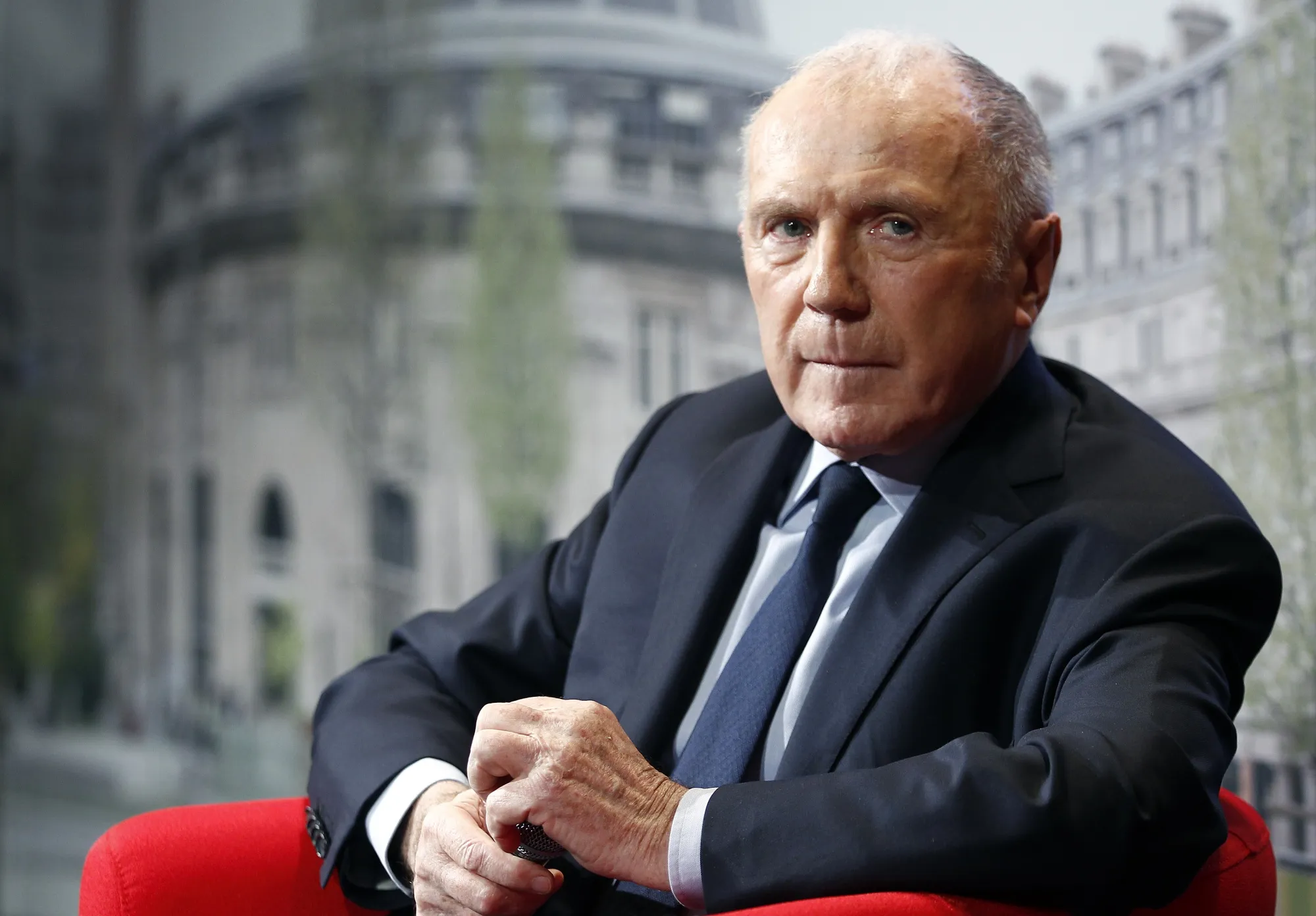
François Pinault – Founder of the Kering Group, famous for luxury brands such as Gucci, Balenciaga and Bottega Veneta.
He collects works by artists such as Jeff Koons, Urs Fischer, David Hammons and Maurizio Cattelan. In contrast to Arnault, he shows a greater interest in relatively emerging artists. He also owns and operates a total of three art museums: the Bourse de Commerce in Paris, the Palazzo Grassi in Venice, and the Punta della Dogana.
The Qatari Royal Family – a powerful force that moves the global art market by exclusively acquiring works by Picasso, Rothko and Basquiat. In particular, Sheikha Al-Mayassa, a Qatari princess who serves as director of the Qatar Museum, is described by Forbes as ‘the undisputed queen of the art world’.
They are not mere collectors, but the power behind the art world.

Without collectors, there would be no art
Do you believe that art is a realm of pure creativity? The reality is quite different.
The value of art is not merely a matter of aesthetic appreciation, but the result of a combination of vast capital and strategic choices. And it is the collectors who make the final judgement. They are not mere collectors, but the invisible hand that drives the art market. The art market operates strictly according to the logic of capital, and the final decision-making power lies with the collectors. Whether a work will go down in art history or end up as just another ‘painting’ rests in the hands of the collectors.
- If they buy it, the artist becomes a star.
- If they champion it, it becomes a page in art history.
- If they turn their backs, even the most brilliant artist vanishes from the market.
Today, artists cannot succeed simply by creating good works. They must catch the eye of collectors and position themselves within their strategic choices. Ultimately, without collectors, the art market cannot exist. Contemporary art is a vast, meticulously orchestrated business game, and collectors stand at its very centre.
If you love art, now is the time to read the collectors’ moves. The hidden power of the art market – collectors rule the art world