Museums of the World ④ The Serpentine Pavilion: a summer-only structure in London
A structure that blooms in Hyde Park every summer
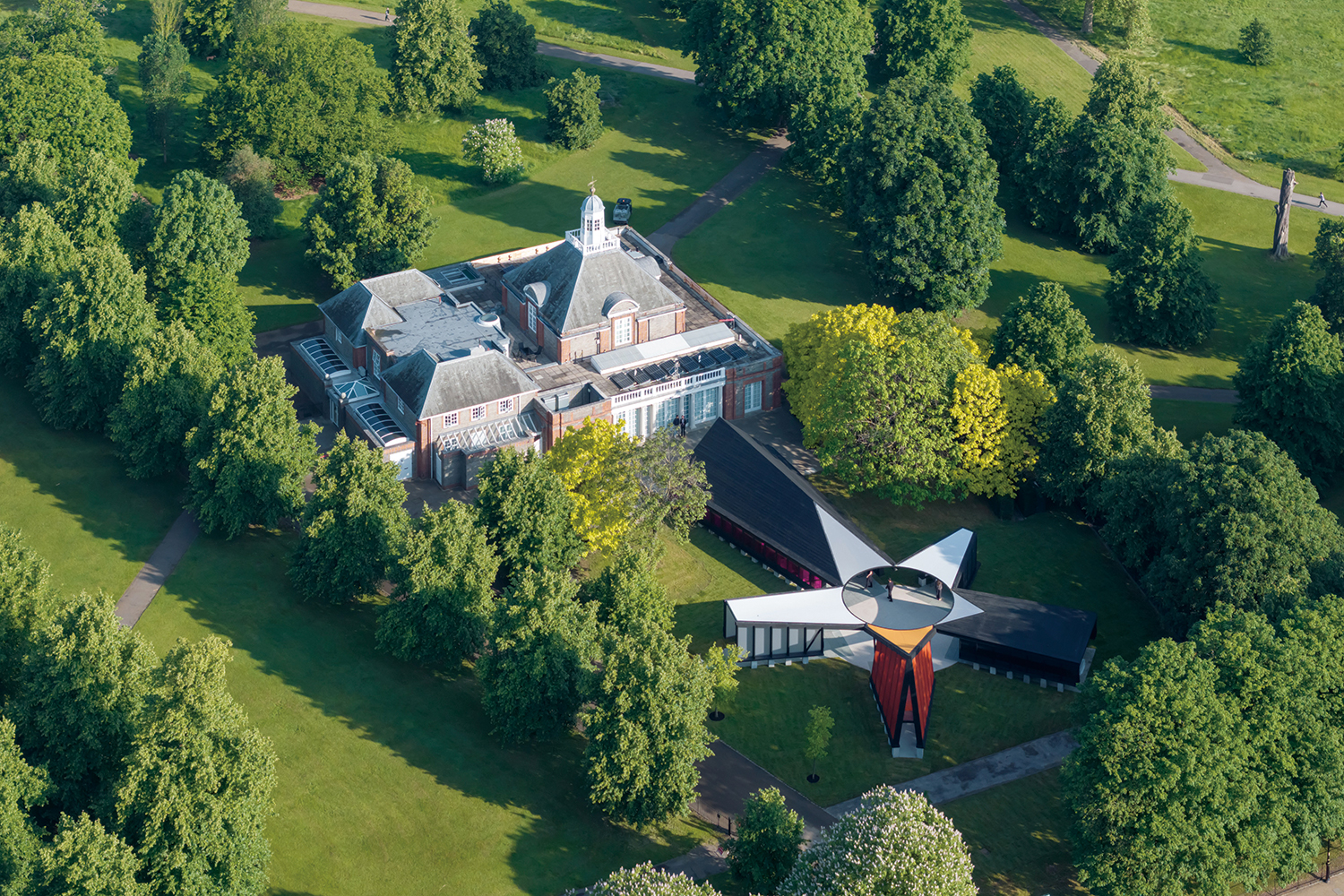
In Kensington Gardens, within Hyde Park—often referred to as the ‘lungs of London’—lies the Serpentine Galleries, an art museum created by converting a tranquil country house. Whilst showcasing the cutting edge of contemporary art from around the world throughout the year, every summer the gallery expands its territory onto the lawns outside the White Cube.
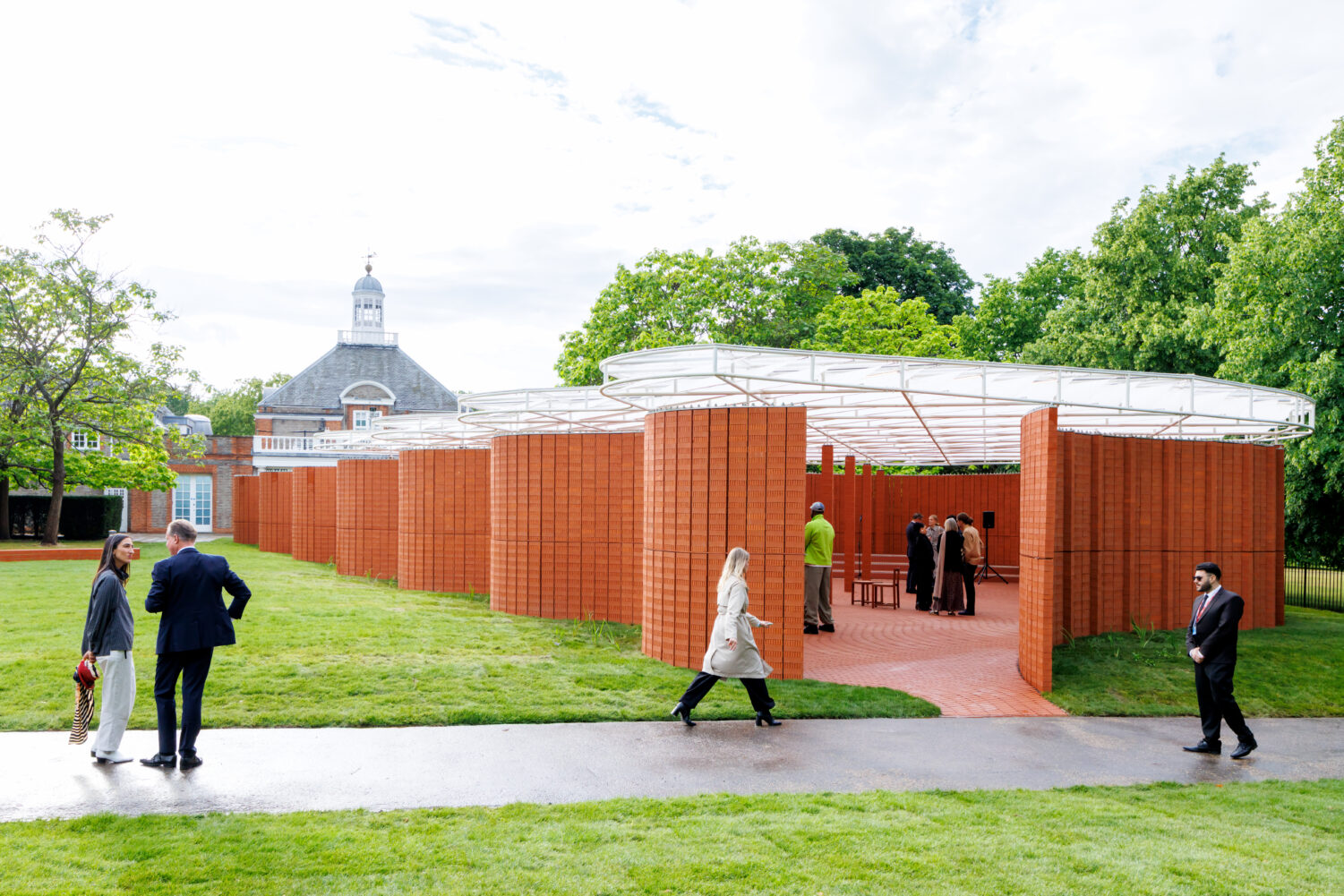
This is thanks to the ‘Serpentine Pavilion’ project, in which world-renowned architects bring their unique philosophies and visions to life in a single temporary structure. Existing for just three months each year before disappearing as if by magic, this temporary pavilion is the world’s most prestigious architectural festival, perfectly demonstrating how contemporary architecture and art can interact with urban public spaces and the general public.
There is just one condition: the architect must never have built a building in the UK before.
The Serpentine Pavilion project began in 2000 with a bold idea from Julia Peyton-Jones, then director of the Serpentine Gallery. What began as a plan to construct a temporary structure to be used for just one night as part of a fundraising event for the gallery evolved into a major annual project held every summer, following the phenomenal success of the pavilion designed by the world-renowned master architect Zaha Hadid.

There is one absolute condition for this project that sets the hearts of architects worldwide racing: the rule that ‘the architect must be a world-renowned architect who, at the time of invitation, has never before built a building on British soil’.
Thanks to this stringent condition, the Serpentine Pavilion has become a vast canvas upon which global architects can unleash their architectural experiments without constraint, right in the heart of the British capital. To date, living legends such as Jean Nouvel, Frank Gehry, Oscar Niemeyer and Rem Koolhaas, as well as rising young masters of the time such as Bjarke Ingels (BIG) and Francis Kéré, have passed through these doors, transforming the paradigm of modern architecture.

Architecture as public art that blurs the boundaries between inside and outside
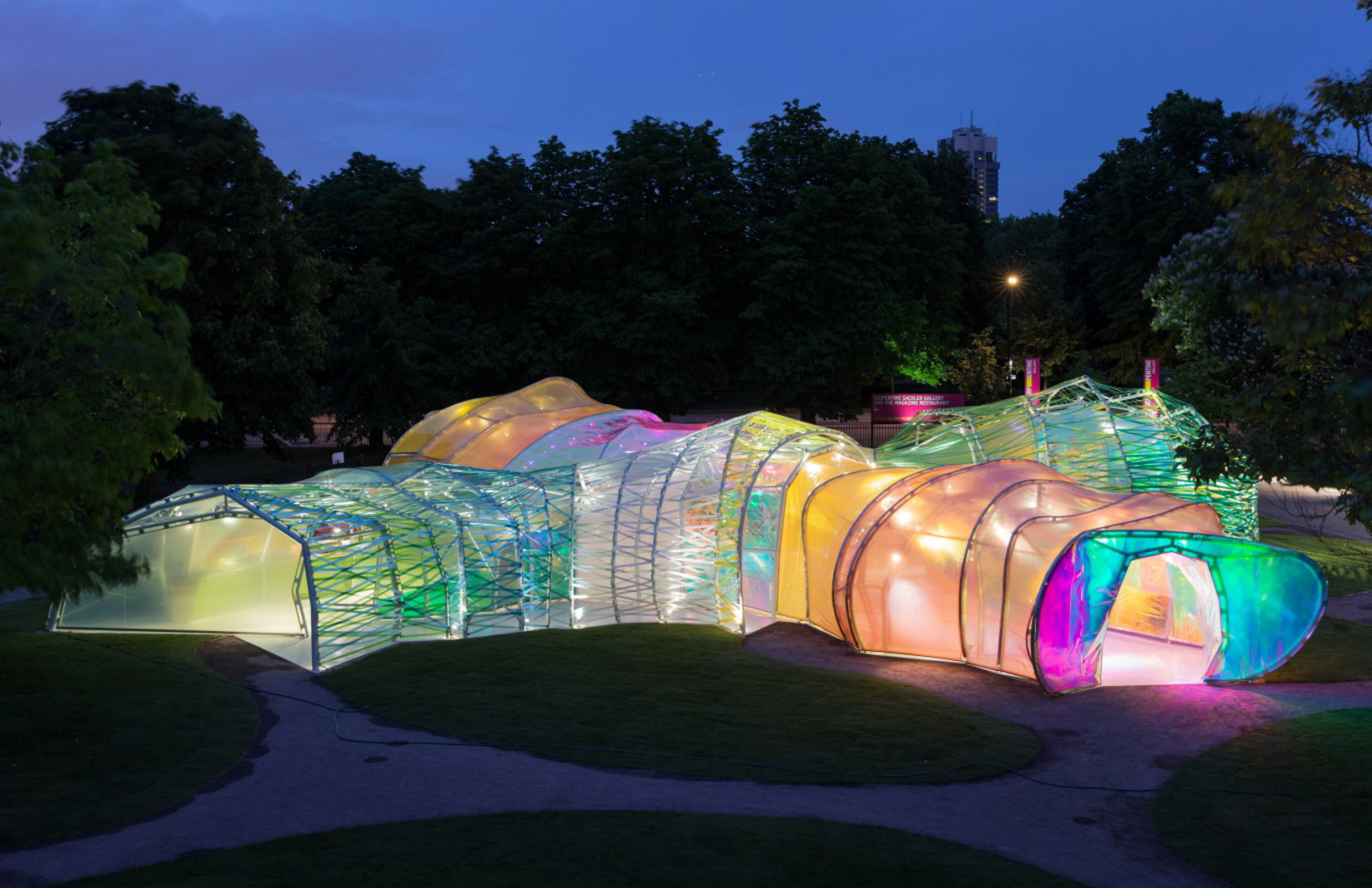
The secret behind the Serpentine Pavilion’s ability to attract hundreds of thousands of visitors each year to an open-air lawn with not a single item in its collection lies in its innovation in the ‘way architecture is consumed’. The pavilions here boldly blur the boundaries between interior and exterior, and between private and public spaces.
In some years, they stack translucent blocks to create a playground of light and shadow; in others, they reinterpret memories of gathering under trees in their home villages in Africa by adding a roof. Whilst the artworks inside a gallery are hidden behind ‘Do Not Touch’ signs, the Serpentine Pavilion functions as a vast ‘urban living room’ where visitors can perch on the steps to read a book, children can run and play, and, in the evening, people can enjoy a music performance or a talk whilst sipping a beer.
It allows visitors to experience first-hand that architecture is not merely a physical barrier against the elements, but the grandest form of ‘public art’ that connects people and expands the senses.
Sustainable Transience
Whilst modern architecture is generally fixed in place and exists permanently for decades or even centuries, the Serpentine Pavilion pursues the exact opposite: ‘temporariness’. When summer ends, these pavilions are dismantled without a trace and sold to private collectors or institutions around the world, where they find a new home.
Precisely because these structures have such a short lifespan, architects pour their energy into radical structural experiments, the introduction of eco-friendly and recycled materials, and dramatic spatial innovations—all of which would be difficult to attempt in permanent buildings. This transience—‘staying for a while before disappearing’—offers visitors a special experience that can only be enjoyed in this very moment, establishing a powerful cultural landmark that makes a visit to London’s Hyde Park an absolute must every summer.

The perfect platform where nature, art and humanity converge
London’s Serpentine Pavilion challenges us to redefine what an art gallery is. Must an art gallery necessarily confine works within thick concrete walls?
The lush greenery and breezes of Hyde Park, combined with the pavilions designed by master architects each year, demonstrate just how deeply art can permeate our everyday landscape. Sitting beneath the unique shade created by the pavilion to escape the hot summer sun and catch one’s breath—is this not the most sensorial respite that the Serpentine Gallery offers art lovers around the world each year?
Project Summary
- Project Name: Serpentine Pavilion
- Location: The Serpentine Gallery Lawn, Kensington Gardens, Hyde Park, London, UK
- Start Year: 2000 (First Architect: Zaha Hadid)
- Operation: Each summer (usually June–October), a world-renowned architect is invited to construct a temporary pavilion, which is then dismantled and relocated in the autumn
- Eligibility: Global architects and artists with no prior architectural practice in the UK
- Significance: A testing ground for contemporary architecture that realises architecture as public art and provides the public with a multifaceted cultural and recreational space by dissolving the boundaries between interior and exterior