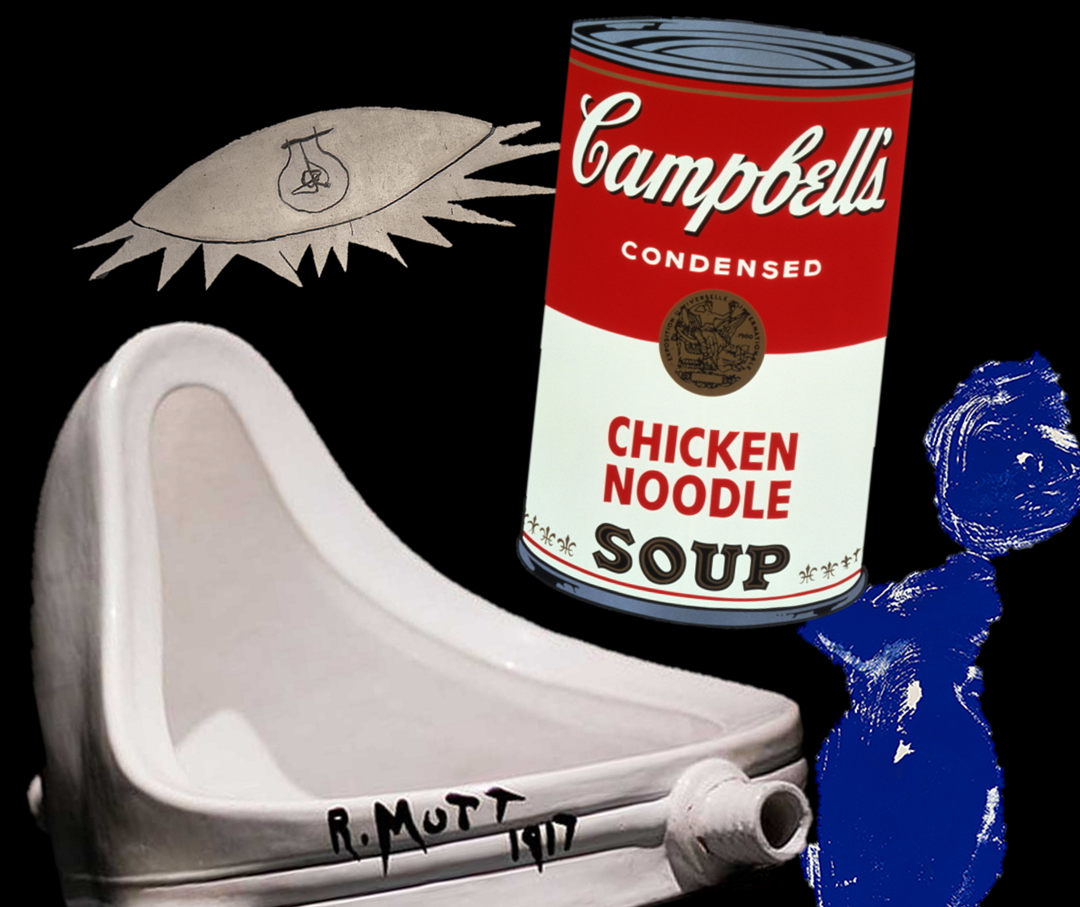
The Top 5 Most Shocking Events in the History of Modern Art
The history of modern art is replete with events that go beyond mere aesthetic expression to break down social, political and cultural boundaries. These events have redefined the very nature of art and transformed public perception. Below is a detailed overview of some of the most provocative and fascinating events in the history of modern art.
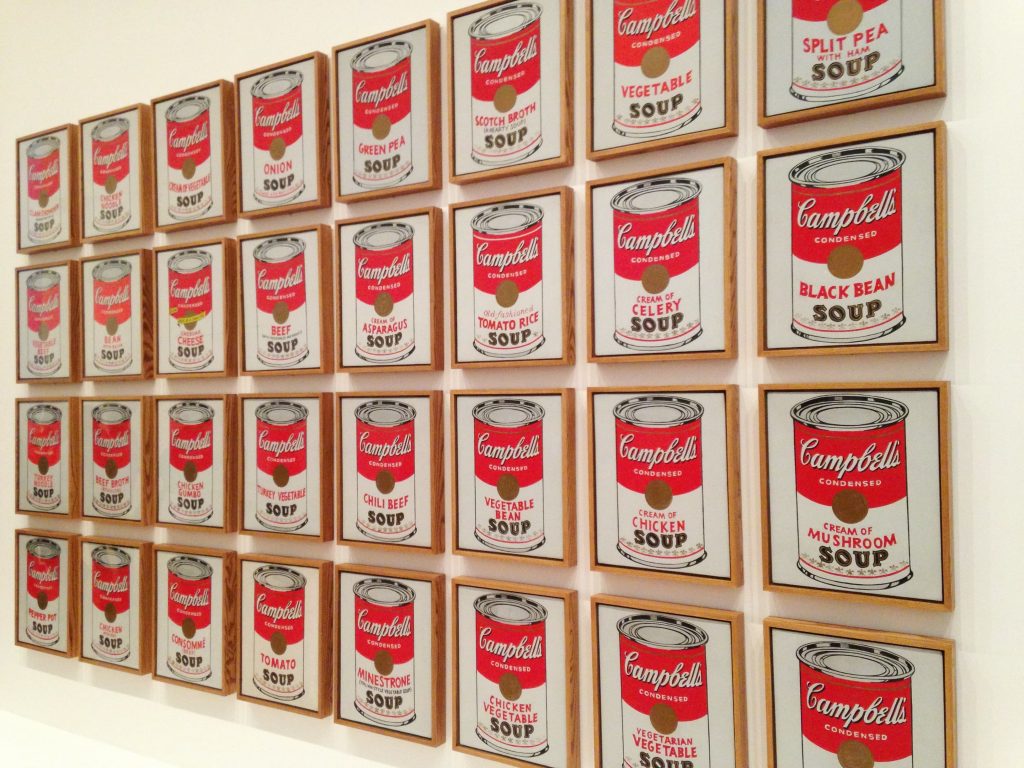
5. Andy Warhol’s *Campbell’s Soup* and the Marilyn Series (1962): When Advertising Became Art
Andy Warhol pioneered the genre of Pop Art by elevating mass-produced images, advertisements and celebrities to the status of art.
His work broke down the boundaries between popular culture and art, and even foreshadowed the modern social media sentiment that ‘everyone is entitled to their 15 minutes of fame’. Critics described him as both a saint of capitalism and a nihilist.
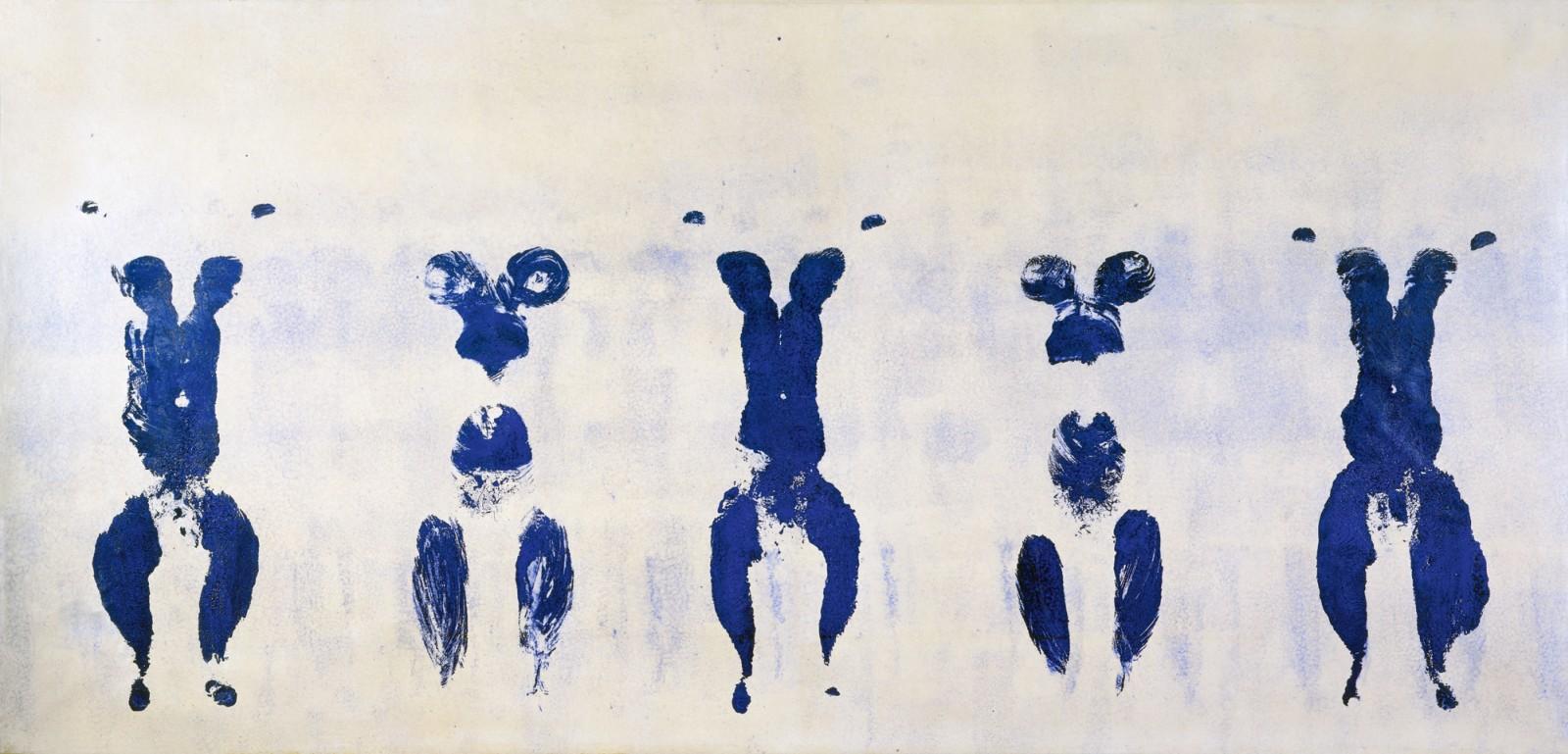
4. Yves Klein’s *Blue Female Body Stamp Performance* (1960): The Female Body Becomes a Canvas
Yves Klein presented a performance in which he painted a woman’s body blue and had her lie down on a canvas.
This work received both criticism for using the female body as a tool of art and praise for being a collaborative creation with women. Furthermore, he even patented a unique colour called ‘International Claing Blue’, attempting a new approach to colour.
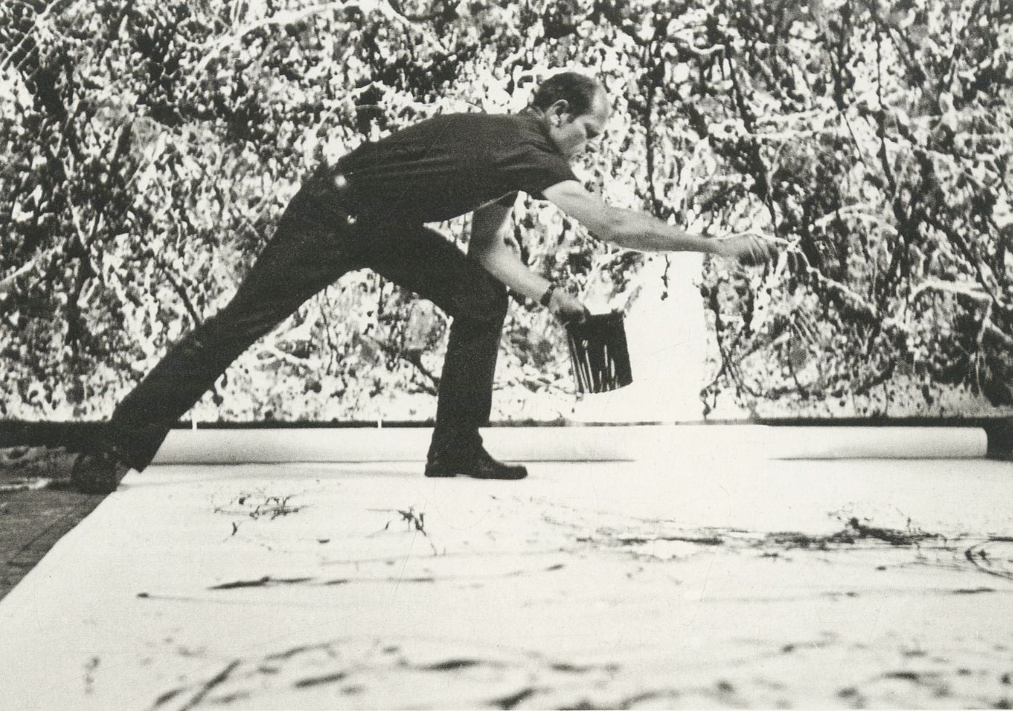
3. Jackson Pollock’s Drip Technique (1947–): ‘It’s just daubing’ vs ‘The Hand of God’
Jackson Pollock developed the dripping technique, in which he dripped and splattered paint across the canvas, vigorously swirling it about instead of using a brush.
This ‘action painting’ marked a turning point in art where ‘gesture’ became more important than ‘perfection’, establishing him as the leading figure of American Abstract Expressionism. Whilst some dismissed his work as daubing, others hailed it as the work of divine hands.
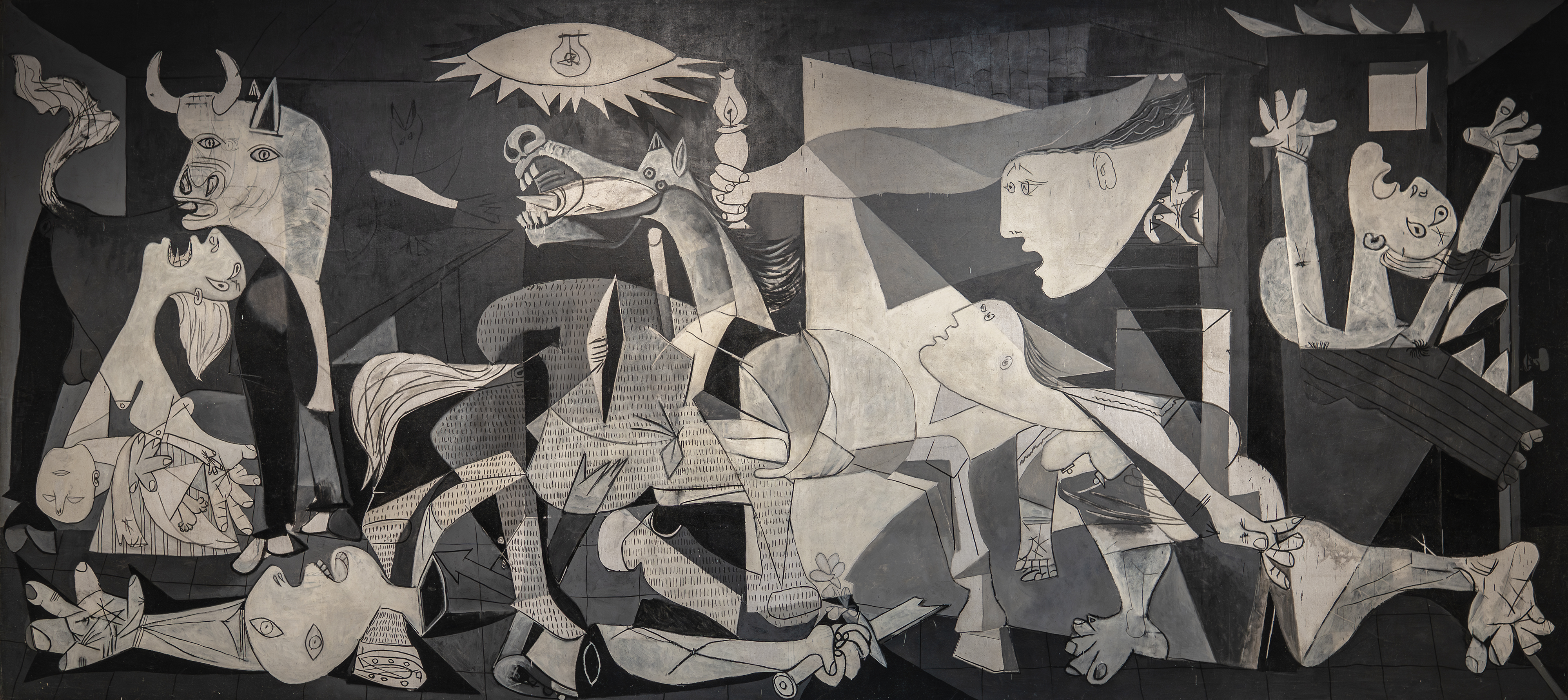
2. Picasso’s *Guernica* (1937): Art denouncing the bombing
In 1937, during the Spanish Civil War, when the German Nazis bombed the town of Guernica, Pablo Picasso completed *Guernica* on a large canvas, capturing the fury and anguish in black and white.
This work demonstrates the power of art to denounce the horrors of war and has become a symbol of political resistance. It was subsequently displayed at the United Nations Headquarters, though it was once covered up to avoid involvement in the Gulf War.
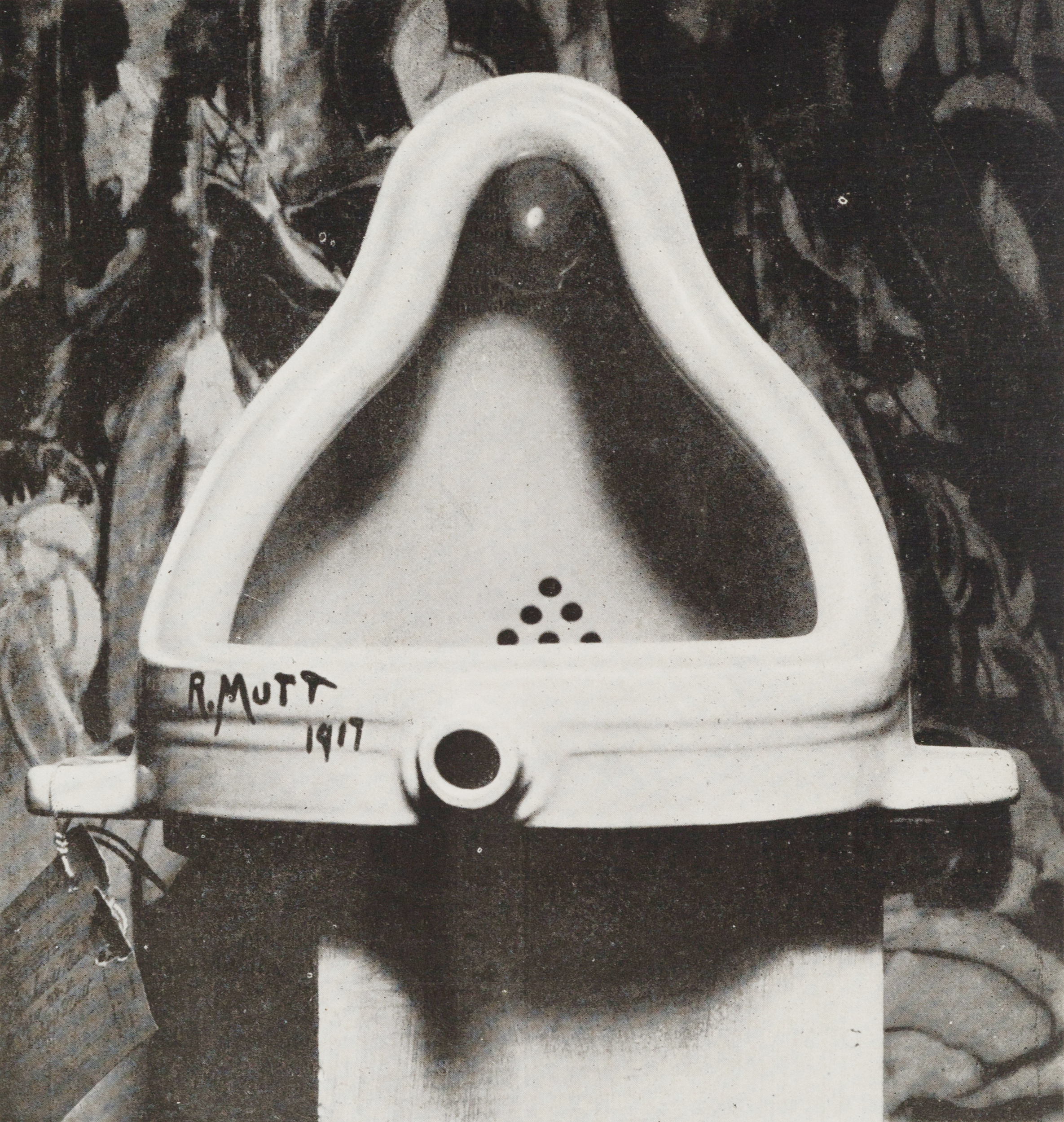
1. Marcel Duchamp’s *Fountain* (1917): The day a toilet became art
In 1917, Marcel Duchamp laid a porcelain urinal on its side at a 90-degree angle, signed it ‘R. Mutt’ and exhibited it under the title *Fountain*.
This work sent shockwaves through the art world and sparked a debate over the definition of art. Through this piece, Duchamp proposed the concept that ‘art is defined by the artist’s intention and context’, and is regarded as the pioneer of conceptual art.