What is the ‘real’? Aura, and Walter Benjamin
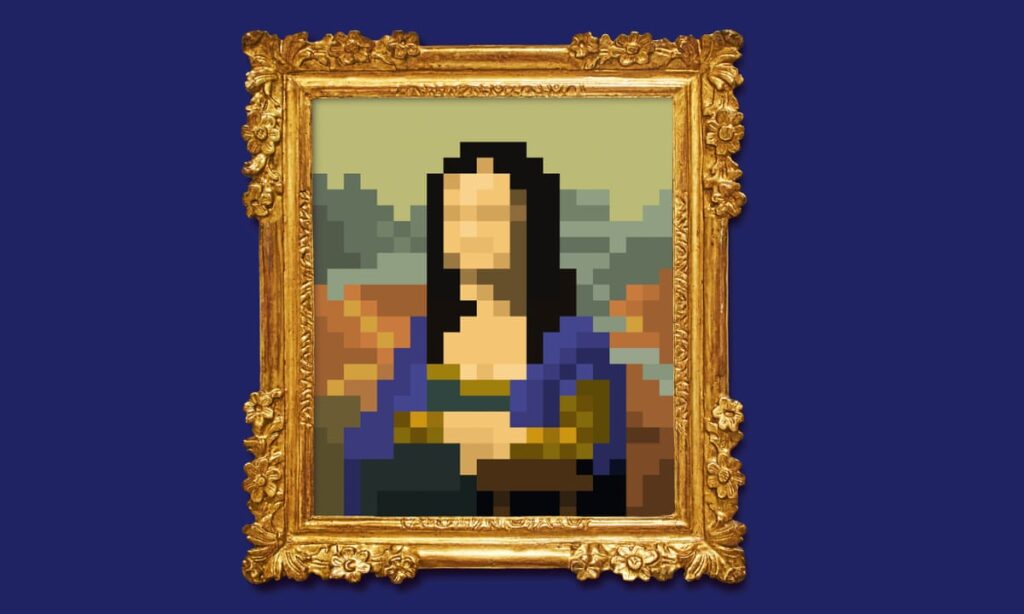
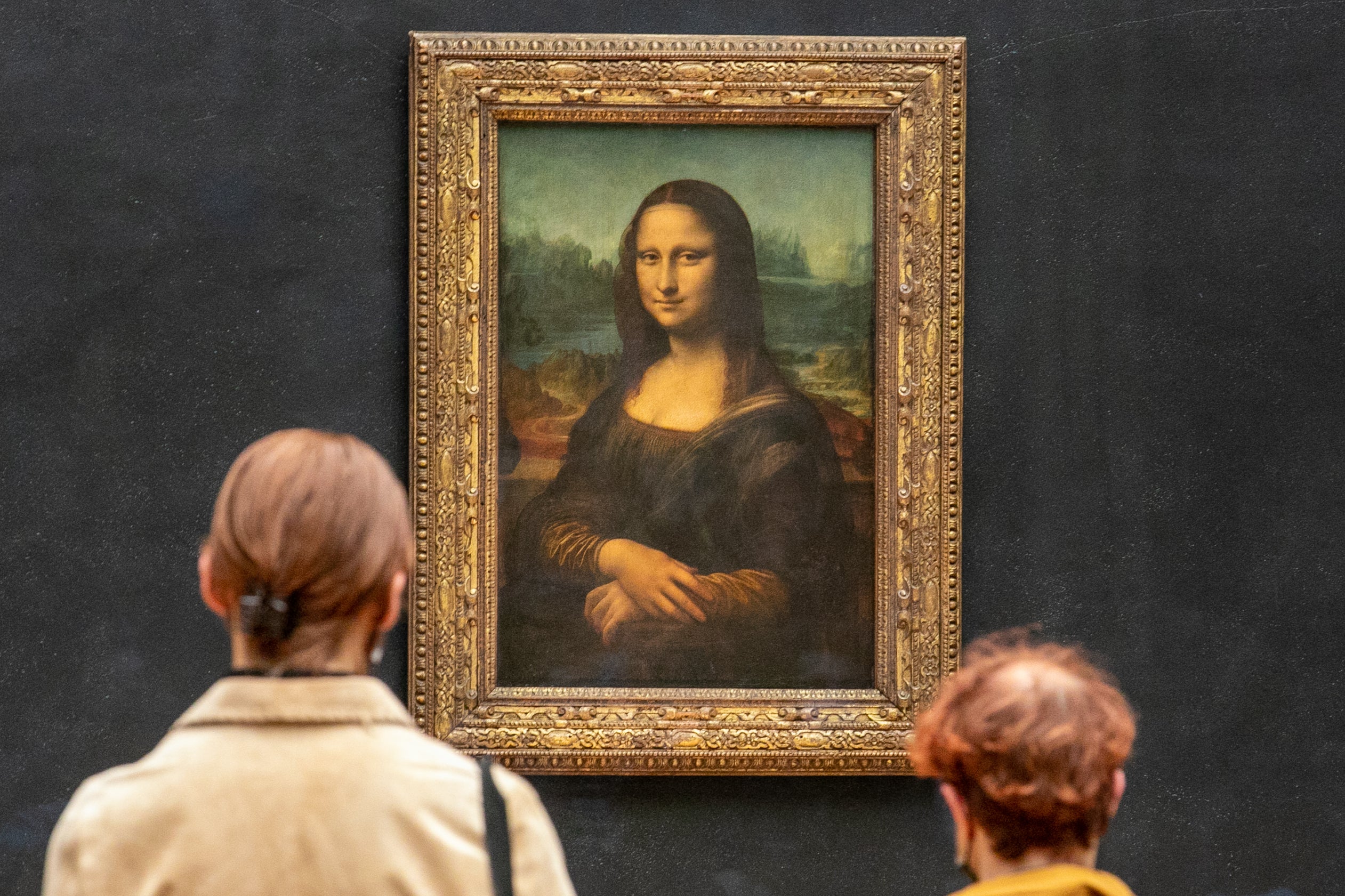
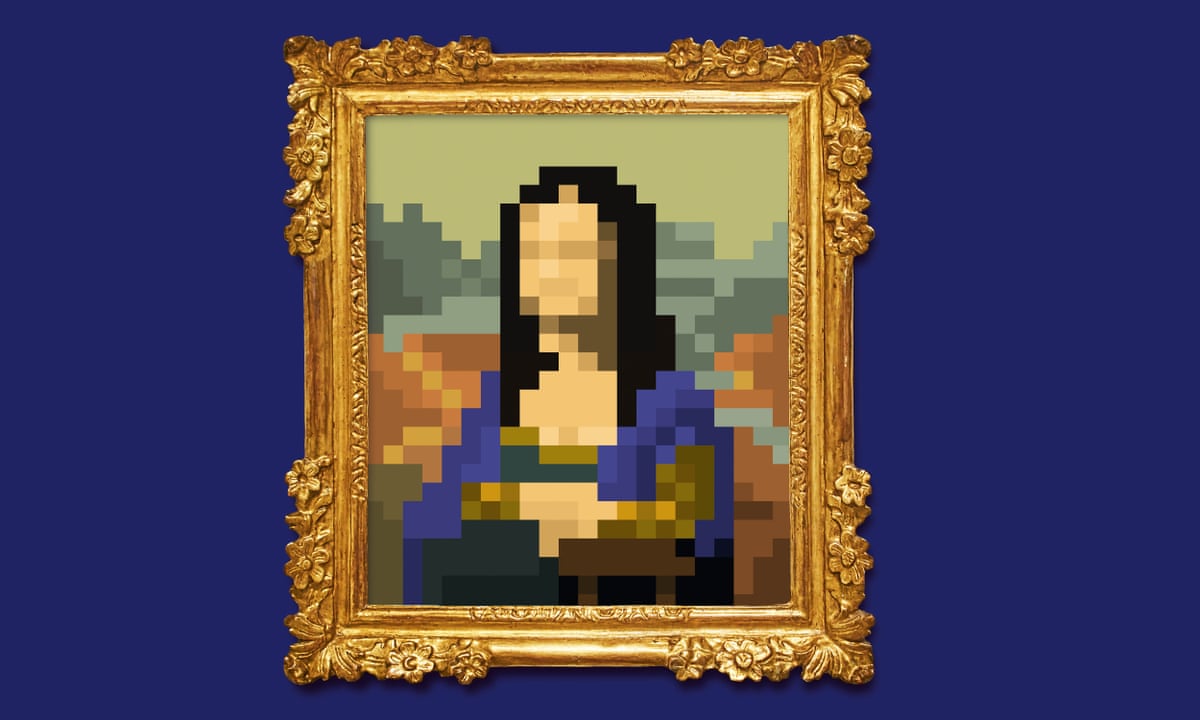
Even if we’ve never actually been to the Louvre, we’re all familiar with the ‘Mona Lisa’. She smiles at us from photos on our mobile phones, images in search engines, and even emojis. But let me ask you this: is that really the ‘Mona Lisa’?
In this age of digital technology, we are re-examining the boundary between the original and the reproduction. Is the art we see today truly ‘real’? The 20th-century German philosopher Walter Benjamin already knew the answer to this question 90 years ago.

A Philosopher’s Question
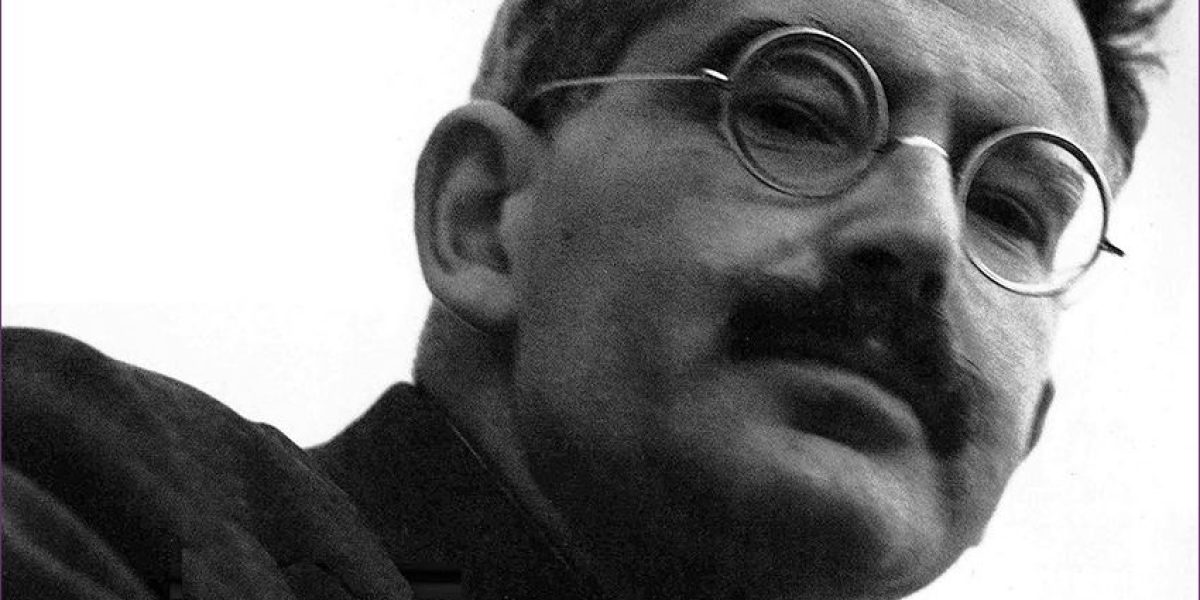
The early 20th-century German philosopher Walter Benjamin (1892–1940) was among the first to recognise how art was being transformed by technology.
Born in Berlin, he worked across the fields of literature, aesthetics and social criticism. He regarded the appreciation of art not merely as ‘seeing’, but as an experience of the moment where time, space and the senses converge. Yet the world was not kind to him. Although he fled to France to escape Nazi persecution, he ultimately met his end at the Spanish border.
It was only after his death that his thinking was revived as a penetrating philosophy bridging art and technology. Though his physical form is gone, his ideas—particularly the concept of ‘aura’—still live and breathe at the heart of contemporary art discourse.
What is the ‘Aura’? — The Breath of the ‘Original’
Benjamin referred to the ‘unique presence’ possessed by a work of art as ‘aura’. It is not merely the value of the original. It is a unique atmosphere and ‘distinctive presence’ that exists solely in that place, at that time, and in that light. All of this constitutes the aura of the work.
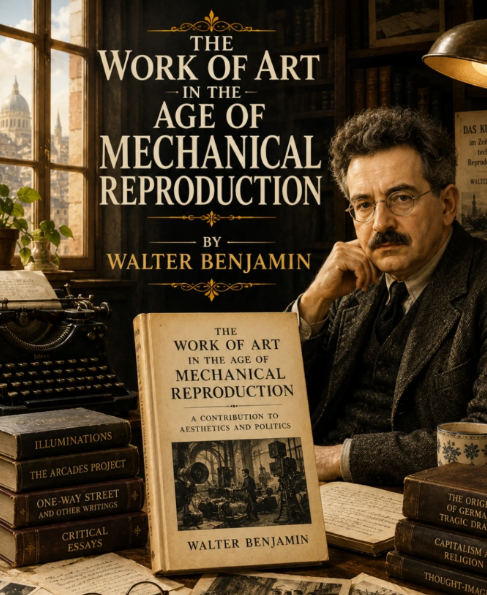
For example, the difference between encountering the Mona Lisa in person at the Louvre and viewing an image on a mobile phone screen is not merely a matter of image quality. The ‘sense of distance’ created by the atmosphere of the place, the temperature of the light, and the breath of the people present is precisely what constitutes the aura. In his book *The Work of Art in the Age of Mechanical Reproduction* (1936), he wrote:
“The development of reproducible technology extinguishes the aura of art.”
In other words, whilst photographs, films and printed matter disseminate works widely to the public, they simultaneously erase that ‘one-off’ experience.
The Demise of the Aura
However, Benjamin did not simply mourn the ‘death of the aura’. Rather, he argued that reproduction had brought art down from the temple and placed it in the hands of the masses. Whereas in the past only the aristocracy and the Church could enjoy art, an era has now dawned in which anyone can view it. For him, reproduction was not destruction but the beginning of democratisation.
Today, from memes on social media to remixed videos and AI-generated images — every act of ‘sharing’ and ‘transforming’ we engage in may already be the ‘new forms of art’ Benjamin spoke of.

In the age of digital reproduction, has the aura died?
With the advent of NFTs, ‘digital originals’ have emerged, and people still proclaim, ‘This is the original.’ It is ironic, isn’t it? In a world where infinite reproduction is possible, we crave ‘the one and only’ even more. The ‘aura’ Benjamin spoke of has not completely vanished. For him, the essence of art lay not in ‘ownership’ but in ‘experience’.
He argued that the true power of art lies not in ‘the act of seeing’ but in ‘the act of feeling’. No matter how perfect a reproduction may be, your own sensory experience of it cannot be replicated.